
You May Also Like:
Tree roots and car parks are a costly mix because damage often appears slowly, then suddenly becomes urgent. In most strata and commercial sites, responsibility for tree root removal depends on who owns the land, who controls the asset being damaged, and what council rules allow.
In practice, they need to treat tree root removal as both a legal question and a risk-management job, including assessment of trees for health and risk and planning of safe tree-cutting/removal processes before any works begin.
Does the Owners Corporation or Building Owner Have Legal Responsibility for Tree Root Removal?
Usually, the Owners Corporation handles tree root removal when the roots come from trees on common property and the damage affects common property, such as shared driveways or a commercial car park slab. A building owner or lot owner may be responsible where the tree sits within their boundary and the affected area is not common property.
What matters is title and maintenance obligations under the relevant strata and property laws. If there is uncertainty, they should confirm boundaries, check the strata plan, and document where the roots originate before booking tree root removal.
Common responsibility triggers include:
- Trees located on common property
- Roots uplifting common walkways, kerbs, or shared parking bays
- Damage tied to common drainage lines or waterproofing membranes
- Shared duty where the tree is on one lot but the impacts spread across common areas, requiring coordinated tree root removal
How Do Council Regulations Affect Tree Root Removal in Car Parks?
Council rules can decide whether they are even allowed to cut or remove roots, especially if it affects a protected tree. Sydney tree prevention laws require permits/approval from the local council for tree lopping services, and that can apply even when the visible problem is underground and the car park is the asset being damaged.
This is why tree root removal should be planned alongside compliance work. A competent contractor should include regulatory compliance in the scope, plus environmental assessments where required, because unauthorised cutting can trigger fines and neighbour disputes.
They should also understand the difference between options. Tree lopping is a reduction of tree size, an advanced version of pruning for maintenance and preservation, but it does not necessarily solve root intrusion. Tree removal is the complete removal from top to roots, used when a tree poses danger or is dead, and it is more likely to require approval, especially in established suburbs.
If they rush tree root removal without permission, they risk replacing one problem with legal action.
When Does Tree Root Damage Become a Safety or Liability Issue?
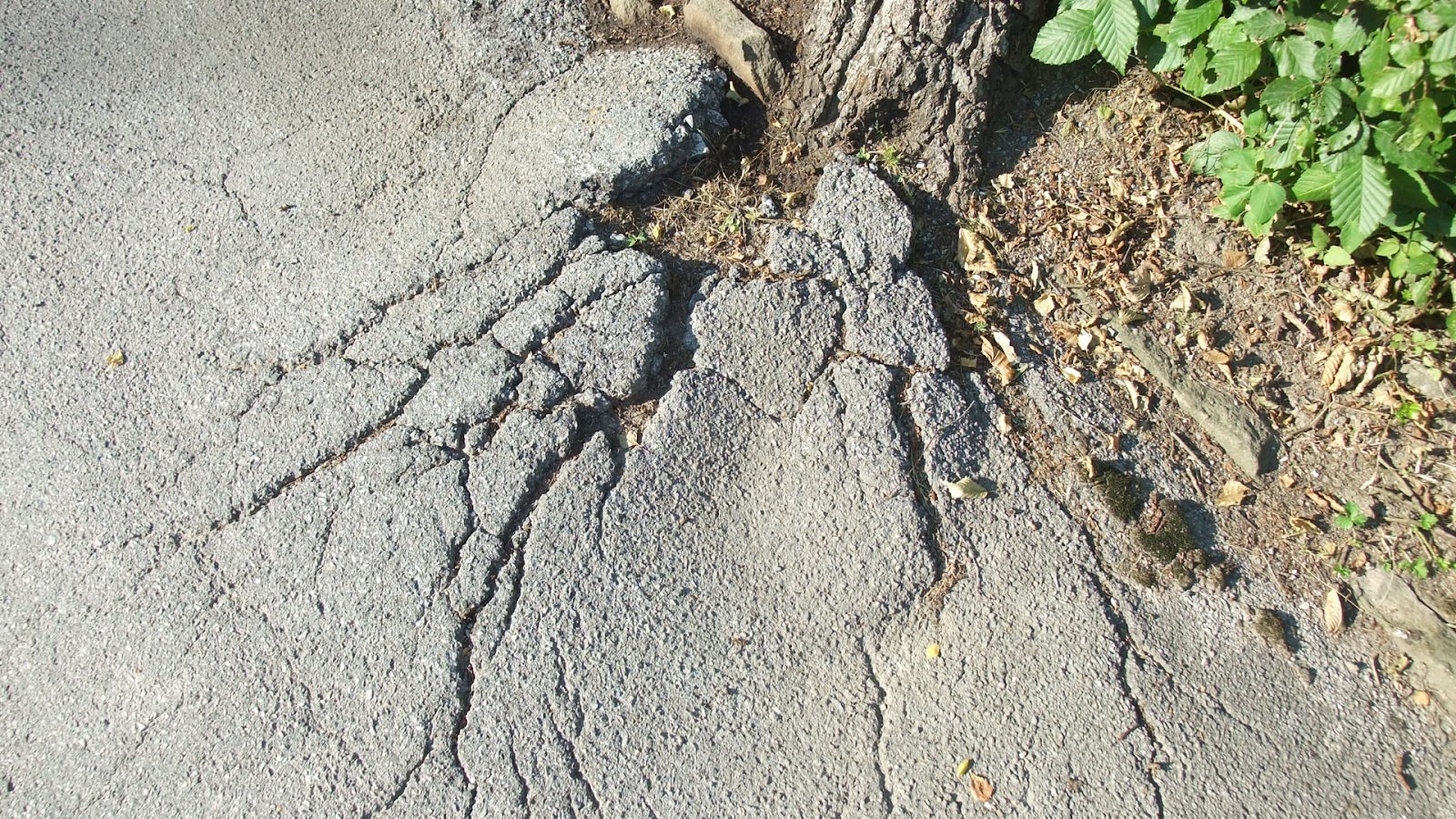
It becomes a liability issue the moment a reasonable person would see a risk of injury or property damage, and the responsible party fails to act. In car parks, that often means lifted concrete, trip hazards, uneven asphalt, blocked drainage causing slip risks, or structural impacts on retaining walls.
At that point, tree root removal is not just a maintenance choice. It is part of the duty of care, especially where the public, tenants, customers, or contractors use the area daily. They should arrange an assessment of trees for health and risk and then choose a remedy that matches the hazard.
Typical warning signs include dead/drying/infected/uprooted/damaged trees, or when roots are pushing up slabs near columns or ramps. They may also need tree root removal for construction/aesthetic requirements, such as site upgrades or re-lining projects that cannot proceed with ongoing root heave.
Because car parks are high-traffic areas, delays increase exposure. Post-removal inspections and recommendations should follow any tree root removal so they can confirm the surface is safe and the root cause is controlled.
Can Property Managers Be Held Liable for Ignoring Tree Root Problems?
Yes, they can be exposed if they ignore reports, fail to escalate safety concerns, or do not arrange competent inspection. While property managers may not be the legal “owner” of the land, they are often the ones managing maintenance systems, contractor engagement, and incident response, so poor handling can create serious consequences.
The standard is not perfection, but reasonable action. That means documenting reports, commissioning assessment of trees for health and risk, and arranging tree root removal where required. If the manager sits on known defects, and someone trips or a vehicle is damaged, the paper trail often becomes the story.
Hiring professional tree services in Sydney maintains trees’ health, boosts property value, saves time/effort, fulfils environmental responsibility, prevents legal action. That is especially relevant in commercial car parks where reputational risk and insurance excesses can be painful.
Professional engagement also matters because the process may involve planning of safe tree-cutting/removal process, traffic control, spotters, PPE, and coordination with centre operations. Done properly, tree root removal is safer, faster, and easier to defend if challenged.
What Steps Should Strata and Commercial Owners Take to Address Tree Root Damage?
They should treat it like a staged project: confirm responsibility, confirm approvals, then fix the hazard with qualified contractors. The fastest way to waste money is to cut roots without a plan because the tree may decline, the roots may regrow, or the slab may continue to move.
A practical approach looks like this:
- Identify the source tree and map the impact zone before tree root removal
- Check council controls early because Sydney tree prevention laws require permits/approval from local council for tree lopping services
- Decide whether the right solution is tree lopping, tree removal, or targeted tree root removal with engineering input
- Engage a qualified contractor and follow steps to hire tree services: research recommendations, verify credentials (insurance/licence), consider local knowledge, get quotes/estimations for services/equipment/tools/gear/PPE/environmental consciousness
- Include cutting services, stump removal, green waste removal, post-removal inspections, recommendations, tree care tips in the scope where relevant
- If the area needs redevelopment, align tree root removal with development services, vegetation clearing/mulching, site preparation/grading, and environmental assessments
They should also know when to bring in a specialist. Hire tree removal company if dead/drying/infected/uprooted/damaged trees or for construction/aesthetic requirements, especially if the site has repeated root intrusion or the tree is structurally compromised.
For Sydney sites, a local stump grinding operator can make compliance easier. Trees Down Under prioritise safety with insurance coverage (public liability/professional indemnity/workers’ compensation/equipment and vehicle) and risk management plan, which is exactly what strata committees and commercial owners need when organising tree root removal around vehicles and pedestrians.
Responsibility for tree root removal in strata and commercial car parks usually follows ownership and control, but council rules and safety duties shape what they can do and how quickly they must act. If there is uplift, cracking, drainage issues, or any public hazard, they should document it, confirm approvals, and schedule professional tree root removal with a contractor who can manage risk and compliance.
They should act now: arrange an inspection, confirm council requirements, and book tree root removal before damage, claims, or downtime escalate.


