Fungal and Root Diseases
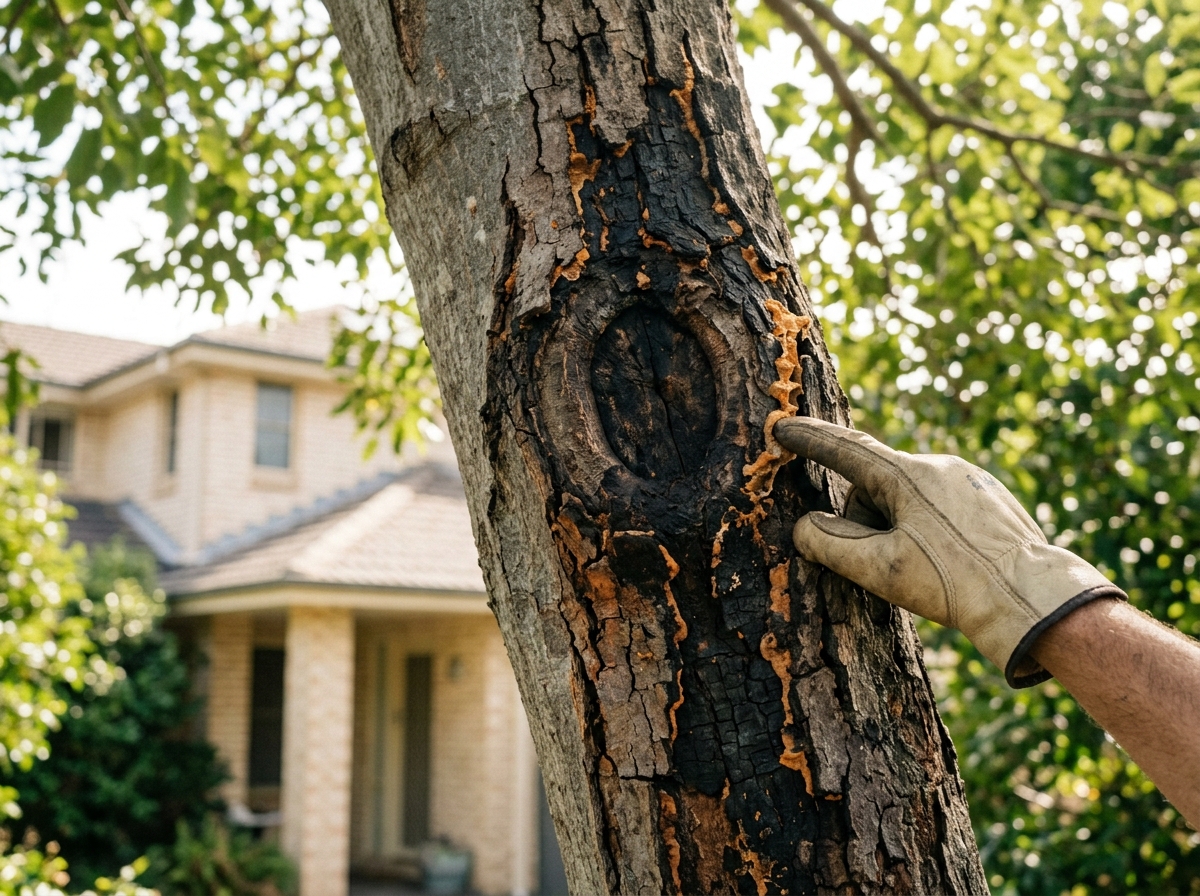
Phytophthora root rot, Armillaria (honey fungus), and various canker-causing fungi are among the most frequent problems diagnosed by Trees Down Under arborists. These conditions often develop below the soil surface or beneath bark, making them difficult to spot without a trained eye. Symptoms include yellowing foliage, dieback at the crown, and soft or discoloured wood at the base. Catching fungal disease early significantly improves the likelihood of saving a tree through targeted treatment rather than removal.
Bacterial Infections and Pest-Related Decline
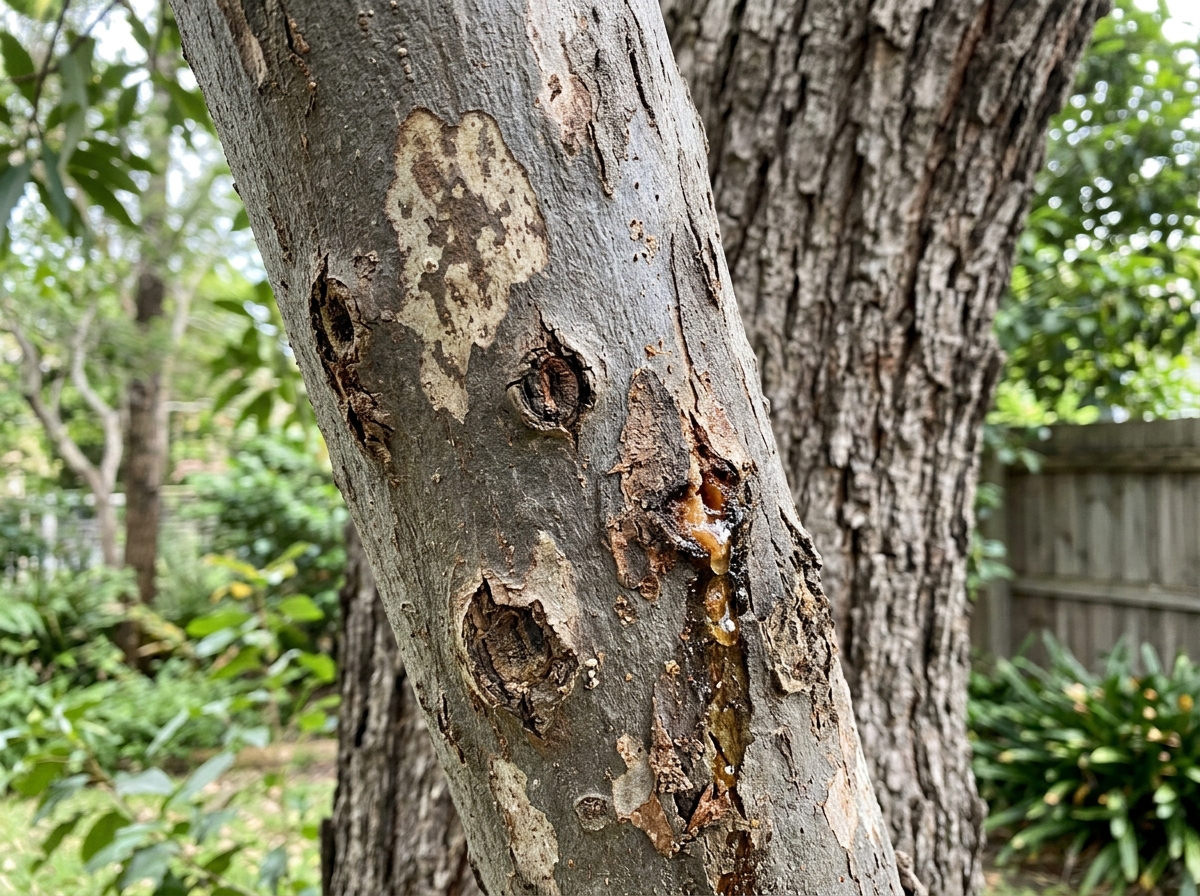
Bacterial wetwood, fire blight in ornamental species, and infestations from borers or scale insects can all trigger rapid decline. In some cases, pest activity creates entry points for secondary infection, compounding the damage. Trees Down Under’s AQF Level 3-5 certified arborists assess the full picture, not just the visible symptoms, before recommending a course of action.
Most tree disease is treatable when you catch it in time. The mistake is waiting until the symptoms are obvious – by then, the options narrow considerably.
Joseph Khoury, Director & Founder, Trees Down Under
When Removal Becomes Necessary
If a tree is too far gone to treat safely, Trees Down Under manages the entire removal process, including council permit applications where required, crane-assisted removal for complex sites, and full green waste disposal. If you’re unsure whether your tree can be saved, call 0475 463 597 any time to speak with a certified arborist.