Thinned eucalyptus with sunlight through its canopy, a neat pile of cut branches below, on a lawn near a brick home.

Crown Thinning in the Hills District

Professional crown thinning for Hills District properties, carried out by AQF Level 3-5 certified arborists. Book a free tree inspection and get same-day quoting where possible. Request a quote below or call 0475 463 597.

What is crown thinning and why does it matter?

Selective pruning, not heavy cutting

Crown thinning is the selective removal of live branches from inside a tree’s canopy. The aim is to reduce density while keeping the tree’s natural shape and size.

An arborist chooses which branches to take based on their position, angle and condition. Crossing limbs, weak unions and overcrowded growth go first, so the outer structure stays intact.

How it differs from topping

Topping cuts main limbs back to stumps and leaves a tree stressed, misshapen and prone to weak regrowth. Crown thinning does the opposite. Most cuts are small, spread evenly through the canopy and made at the correct point on each branch.

A well-thinned tree looks untouched from the street. If you can tell it’s been pruned, too much has probably come off.

Joseph Khoury, Director & Founder, Trees Down Under

Where it sits in our pruning service

Crown thinning is one of the techniques within our tree pruning sydney work across the Hills District. Our AQF Level 3-5 certified arborists assess each tree first, then decide whether thinning is the right method or whether another approach suits the tree better.

Why crown thinning suits Hills District properties

Lower storm and limb-failure risk

Many Hills District blocks are steep, and the diverse native vegetation is often tall and dense. A heavy, congested canopy catches wind like a sail. Selective pruning reduces that load, so a tree is less likely to drop limbs onto a roof, fence or driveway during a storm.

More light, airflow and clearance

Thinning lets sun reach the lawn and garden beds below, helping grass and plantings recover under a shaded tree. It also improves airflow through the canopy and opens up views.

  • Clearance from roofs, gutters and power lines
  • Fewer leaf and debris build-ups on hard-to-reach slopes
  • A mature tree kept in place, rather than removed

For many properties, thinning deals with the actual concern without losing the shade and character of an established tree.

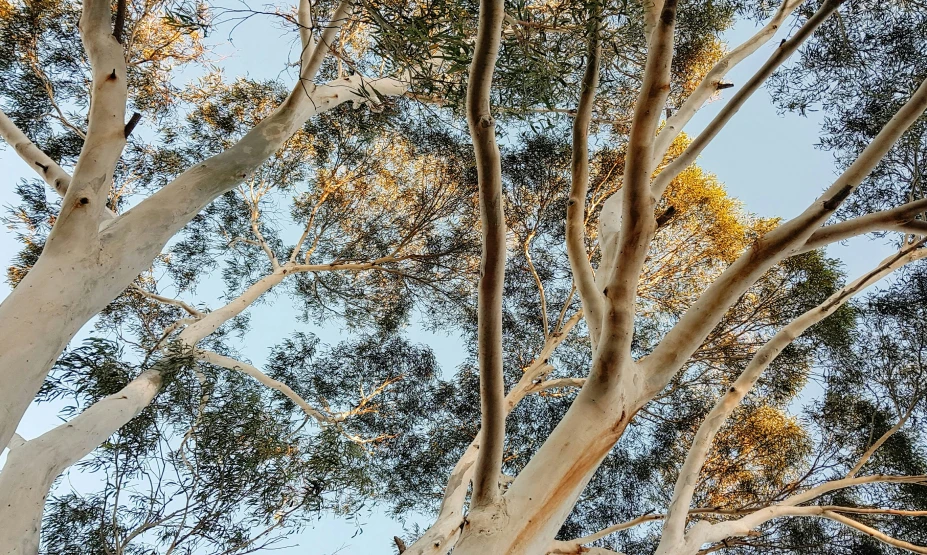
Thinned eucalyptus in a sloping backyard, sunlight and blue sky showing through the canopy above a dappled lawn and brick home.

Crown thinning or tree removal: how to decide

Crown thinning is often the better first step. If a tree is structurally sound but the canopy is dense, heavy or crowding a roof, selective pruning can fix the problem and keep the tree standing.

Removal is usually considered when a tree is dead, diseased, structurally unsafe or too close to a building to manage with pruning. A free tree inspection from our AQF Level 3-5 certified arborists will show which option suits your tree.

Not every tree can be removed without approval. Council permit guidance depends on the species, size and location, so check the Hills District FAQ on which trees can be removed before any tree removal services Sydney work is booked. We can help you work through the permit process.

Thinned eucalyptus with sunlight through its canopy beside a brick home's terracotta roof, cut branches on the lawn below.

What happens on the day

The job starts with a free tree inspection. An arborist looks at the tree before removal or pruning is decided, checking its structure, canopy density and access, which on steep Hills District blocks often determines how the work is set up. Same-day quoting is offered where the schedule allows, and the quote covers the full scope before any work begins.

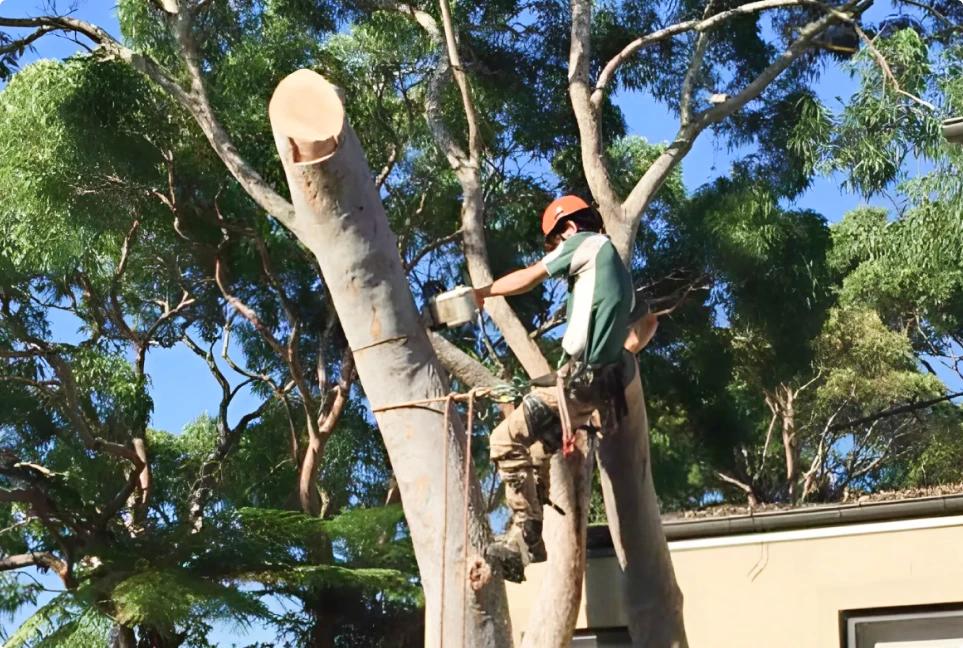
The crew then carries out crown thinning through selective pruning, removing only the branches that need to go. Where access is limited, the team’s own crane can be used at no extra fee.

Once the pruning is done, the team completes full site clean-up, including branches and green waste, so the property is left tidy.

If the inspection shows a tree is beyond saving, the arborist will explain why and provide council permit guidance before any removal is discussed. Where a tree does come out, stump grinding can follow as a separate step, so the area is ready to use again.

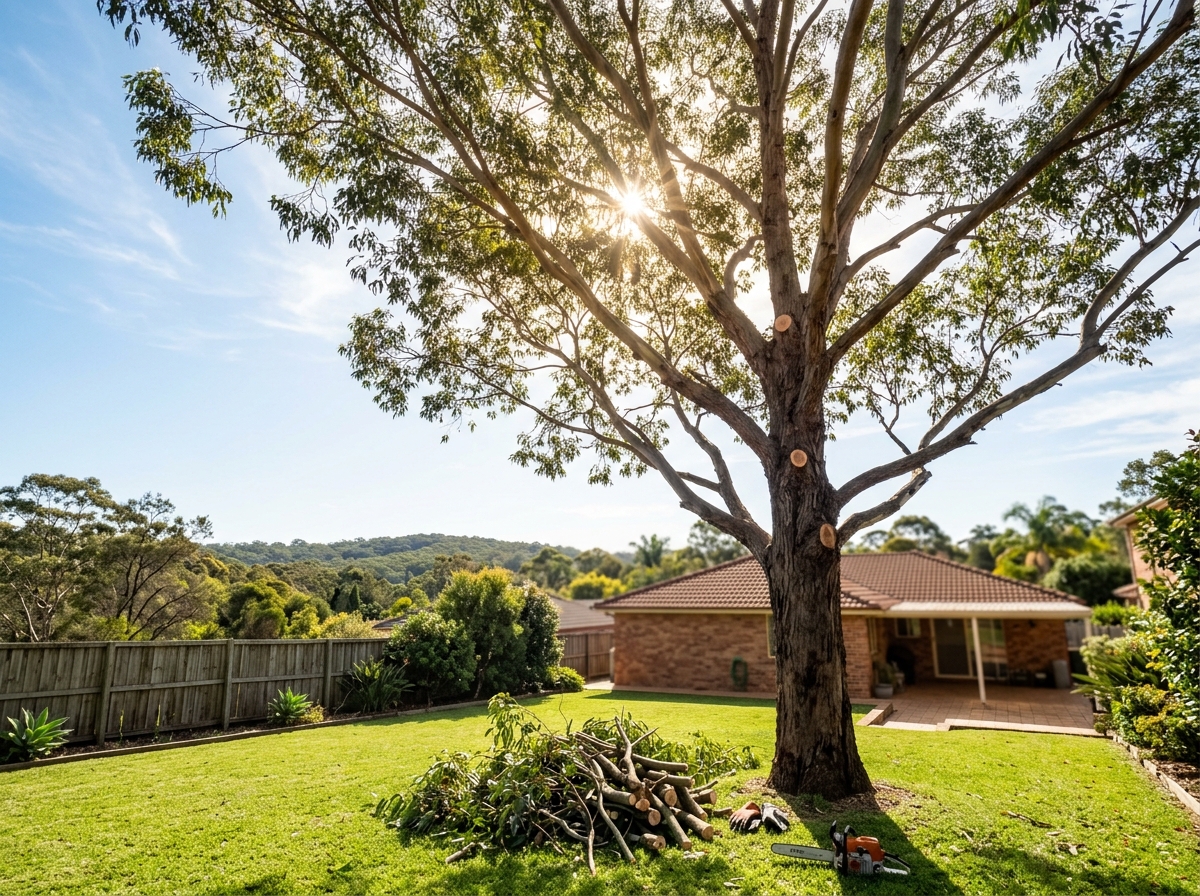
Pruned eucalyptus with sunlight through its thinned canopy, a wood chip pile at its base, on a sloping lawn by a timber fence.

Ready to get your trees assessed?

Thanks for taking the time to read through how crown thinning works across the Hills District. Trees Down Under is a local tree service based in Dural and looks after properties in every Hills District suburb.