
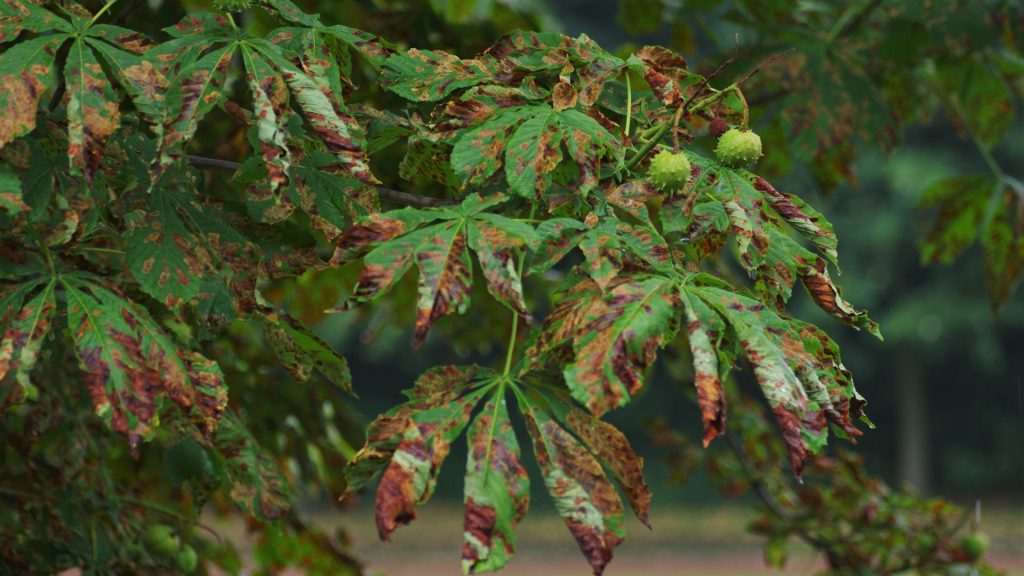
A declining tree is not always a lost cause, but waiting too long can turn a manageable health issue into a safety emergency. Bringing in an arborist Sydney professional early can protect people and property, reduce costs, and preserve valuable canopy cover, especially in established suburbs where shade and amenity matter.
What Signs Show a Tree May Still Be Saved?
Many trees look “on the way out” when they are actually responding to stress, not dying. An arborist Sydney can spot recovery potential early, before decay or instability becomes a bigger issue.
Saveable signs often include:
- Partial canopy dieback rather than total canopy loss
- New epicormic shoots on the trunk or main limbs
- Localised limb dieback while the rest of the crown is active
- Seasonal stress after heat or drought, followed by fresh growth
- Minor pest damage that has not spread across the canopy
- Soil compaction symptoms that can be improved with better site conditions
Experienced arborists in Sydney can also distinguish between temporary stress and the risk of structural failure. If the tree is hazardous, an arborist in Sydney may recommend urgent risk controls and advise on council-permit steps before major work, especially where Sydney tree prevention laws apply. From a tree arborist perspective, “saving” is always a balance of biology, structure, and site risk.
How Does an Arborist Sydney Expert Assess a Dying Tree?
A typical assessment is both a health check and a risk evaluation. An arborist Sydney expert looks at tree condition, site constraints, and the “targets” nearby, such as people, homes, fences, driveways, and play areas.
They usually start with a visual inspection of:
- Canopy density and leaf size or colour
- Deadwood distribution and recent branch drop
- Fungal bodies, cavities, and decay indicators
- Sap flow, bark integrity, and cracking
- Root-zone issues, including soil compaction and water stress
Next, they provide a risk rating and recommendations, which may include monitoring, treatment, pruning, or removal. If cutting or rigging is required, they outline a safe plan, which is what reputable tree services Sydney providers are expected to do.
Local compliance matters too. Sydney tree prevention laws may require permits or approval from the local council for tree lopping services, and an arborist Sydney professional can help document the condition, justify works, and support the approval process where needed.
What Tree Health Problems Can an Arborist Treat?
Treatment rarely means a single quick fix. An arborist in Sydney will usually combine actions that improve growing conditions, reduce stress, manage pests or diseases, and lower failure risk.
Common “treatable” situations include pest and disease management, where they identify likely causes, remove infected material where appropriate, and recommend integrated management steps rather than blanket chemical claims. They may also advise on irrigation changes, mulching, soil improvement, and corrective pruning to support recovery.
Their decision-making typically includes the tree’s value (shade and amenity), likelihood of recovery, risk to targets, and the owner’s capacity for ongoing maintenance. Using qualified tree services in Sydney helps avoid poor cuts that accelerate decay, trigger defects, or create legal and safety issues, especially on higher-risk sites where documentation and compliance expectations are stricter.
How do professionals balance tree saving with safety and liability?
They weigh amenity value against realistic recovery outcomes and exposure to harm. An arborist in Sydney may recommend keeping a tree only if risk can be reduced to an acceptable level and maintained over time.
This is also where insured, qualified tree services in Sydney matter, because improper cutting can worsen defects and increase liability. Clear reporting, photos, and practical options help owners make defensible decisions, particularly when approvals and neighbour concerns are involved.
When Is Pruning Better Than Removing a Struggling Tree?
Pruning can be the best option when the tree is still viable but needs risk reduction. An arborist in Sydney will distinguish between tree lopping, which is a size reduction, and an advanced version of pruning for maintenance and preservation when appropriate, and tree removal, which is complete removal from top to roots and used when the tree is dead or dangerous.
Pruning is often suitable when there is localised deadwood, overextended limbs, canopy imbalance after storms, or clearance needs from structures. Reducing end-weight can also limit failure risk and buy the tree time to recover.
A safe job should include planning such as traffic and pedestrian controls, rigging zones, PPE, drop zones, neighbour and property protection, utility awareness, and waste management. Reputable arborist services in Sydney are insured and follow a risk management plan, and they can also include stump grinding and vegetation clearing to support site safety and replanting.
What should a safe removal plan include if saving isn’t possible?
If removal is unavoidable, a clear plan should control access, define rigging and drop zones, manage utilities, protect nearby property, and handle green waste removal properly. An arborist Sydney will also recommend post-removal inspections and practical next steps.
Many owners also choose stump grinding and vegetation clearing so the site is safe, tidy, and ready for landscaping or rebuilding.
How Can Ongoing Arborist Care Help Protect Tree Health?
Prevention is usually cheaper and safer than rescue. Regular checks by an arborist Sydney support early pest and disease detection, targeted improvements to the root zone, and proactive structural pruning before storm seasons.
For property owners, ongoing care helps maintain tree health, boosts property value, saves time and effort, supports environmental responsibility, and reduces the chance of legal action linked to unsafe trees. When hiring, they should research recommendations, verify credentials (insurance and licence), prioritise local knowledge, and compare quotes based on scope, equipment, gear, PPE, and environmental consciousness.
For those needing broader site works, Trees Down Under serves the Hills District and North Shore with land clearing and development services, including tree removal, stump grinding, vegetation clearing, mulching, site preparation and grading, environmental assessments, and regulatory compliance. They also prioritise safety with broad insurance coverage and a risk management plan.If a tree looks like it is failing, early assessment by an arborist Sydney professional is often the best chance to save it, and the safest way to confirm when it cannot be saved. Book an inspection now and get a clear, compliant plan before the risk escalates.


