
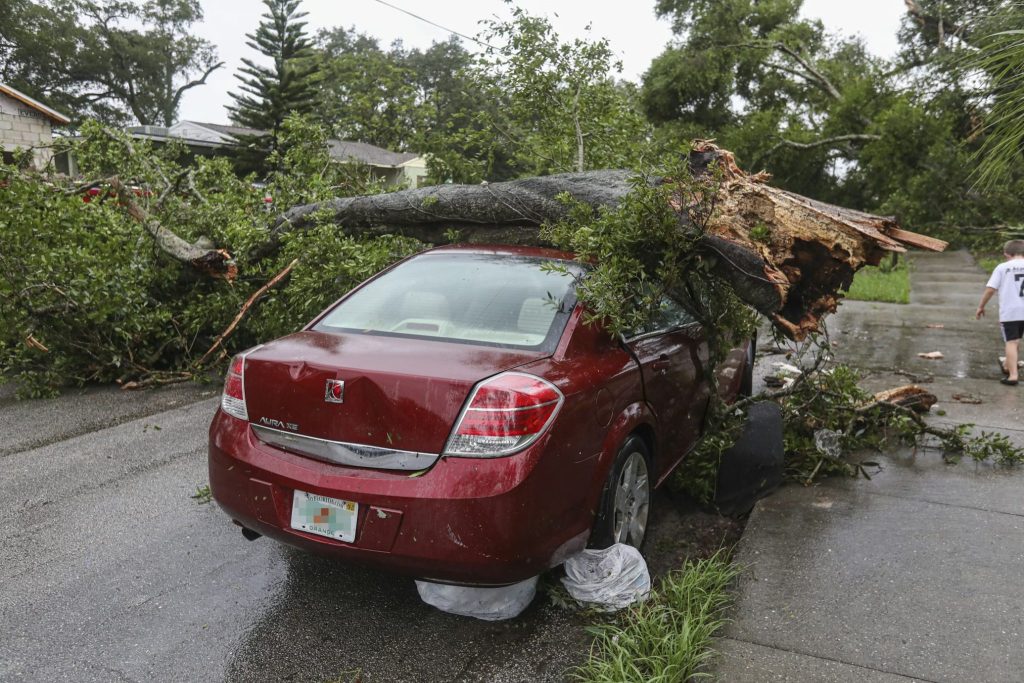
A damaged tree can become dangerous faster than many people expect, especially in storm-prone, high-density suburbs where trees sit close to homes, cars, pavements, and power lines. The safest approach is early identification, followed by an assessment of trees for health and risk before any tree removal Sydney decision is made.
What Are the Signs a Tree Is Dangerous or Structurally Unstable?
Early warning signs matter because many owners only call after visible failure, such as a dropped limb or a sudden lean. In Sydney, quick checks after storms, heatwaves, or nearby building works can prevent avoidable incidents and emergency tree removal Sydney callouts.
High-risk visual cues include:
- Large cracks in the trunk or major limbs
- Fresh splits after storms
- Hollow cavities and visible decay
- Fungal brackets at the base
- Dead or drying canopy sections
- Sudden leaf drop outside seasonal change
- A lean that has recently changed
- Soil heaving or lifting around the base
- Exposed or decaying roots
- Hanging branches over targets
Professionals look at both “health + risk”: overall tree condition, likelihood of failure, and the target impact area. Local tree removal teams may also document risk factors for council or insurer files, which can streamline a tree removal Sydney job if action is required.
How can trunk, canopy, and root symptoms indicate failure risk?
Trunk symptoms often point to structural weakness and a higher chance of breakage. Vertical cracks, seam separations, included bark unions, cavities or hollows, sap oozing, and termite activity can all raise failure probability, particularly in high winds.
Canopy symptoms help show stress and imbalance. Deadwood clusters, a one-sided canopy (often linked to root loss), sudden limb drop risk, and heavy over-extended branches can indicate the tree is no longer supporting itself evenly.
Root and ground symptoms can be urgent. Root plate lifting, soft or mushy soil, severed roots from excavation, and girdling roots reduce anchorage and often justify a prompt tree removal Sydney evaluation. A professional assessment of trees for health and risk reduces guesswork and helps plan safe next steps.
What damage after storms or construction work is most concerning?
After storms, the most concerning red flags are a newly leaning tree, split crotches, a partially uprooted base, and dangling limbs above driveways, roofs, or power lines. Even if the tree is still standing, hidden cracking can worsen with the next gust.
After construction, trenching near the tree, driveway or extension works that cut roots, soil grade changes, and a compacted root zone can destabilise the tree months later. When trees are compromised and near assets, planning a safe tree-cutting/removal process becomes critical, and tree removal Sydney work may need careful rigging and access control.
What Risks Can a Damaged Tree Pose to Property and People?
A damaged tree becomes risky when there are “targets” below or beside it, including homes, cars, fences, sheds, footpaths, neighbours’ properties, and public spaces. Risk increases when the tree overhangs areas people use every day.
The main safety risks are falling limbs, full tree failure, and DIY accidents involving ladders or chainsaws. Hiring insured professionals matters because they manage hazards, set exclusion zones, and use the correct equipment during tree removal Sydney works.
Sydney tree prevention laws require permits or approval from the local council for tree lopping services and some removals, so checking local rules before work begins is essential. Credentialed, insured providers also help with documentation and compliance when arranging tree removal Sydney, and post-removal inspections and recommendations support ongoing risk management.
How can a hazardous tree create legal and insurance complications?
Owners have a duty of care, and they may be held responsible if they knew, or should have known, a tree was unsafe and it caused damage. That is why dated photos, assessment notes, and written quotes can matter later.
Permits are another pressure point: Sydney tree prevention laws require permits or approval from the local council for tree lopping services and some removals, and unapproved work can complicate claims. Using credentialed, insured providers helps with documentation and compliance when booking tree removal Sydney, while post-removal inspections and recommendations show reasonable follow-up.
When Should You Call a Professional for Tree Removal in Sydney?
They should call immediately if the tree is dead or dying, infected or infested, uprooted or leaning after storms, has suffered major limb failures, has been damaged by construction, or is actively threatening structures. Waiting can turn a manageable job into urgent tree removal Sydney under poor weather or unsafe access.
Tree lopping is the reduction of tree size, an advanced version of pruning for maintenance and preservation when the structure is still viable. Tree removal is complete removal from top to roots, used when the tree poses a danger or is dead, and tree removal Sydney providers will recommend the safest option based on risk.
Typical service scope can include cutting services, stump removal (stump grinding), green waste removal, mulching, and post-removal inspections. When hiring for tree removal Sydney, they should check recommendations, verify credentials (insurance and licence), value local knowledge, and request a detailed quote covering equipment, tools, gear, PPE, and environmental consciousness.
Should they choose tree lopping or full removal for a damaged tree?
They should choose tree lopping when the tree can be preserved and the risk can be reduced through correct pruning, not harmful topping. They should choose tree removal when decay is extensive, the root plate is unstable, the tree is too close to buildings, regrowth potential is poor, or ongoing maintenance costs will not control the hazard.
Safe outcomes rely on planning: a safe tree-cutting/removal process, exclusion zones, rigging, and traffic or pedestrian management where needed. A reputable tree removal Sydney provider will explain this plan before work starts.
What should they expect from a reputable Sydney tree removal company?
They should expect an end-to-end workflow: inspection and assessment of trees for health and risk, council permit support when required, safe removal or lopping, stump removal, green waste removal, a tidy-up, then a post-removal inspection with practical tree care tips.
They should also expect safety proof points, including public liability, professional indemnity, workers’ compensation, and equipment and vehicle cover, plus a written risk management plan. For example, Trees Down Under serves the Hills District and North Shore with land clearing and development services such as tree removal, stump grinding, vegetation clearing, mulching, site preparation, grading, environmental assessments, and regulatory compliance, which aligns with what many people want from tree removal Sydney support.
Can a Damaged Tree Fall Without Warning?
Yes, a damaged tree can fail with little visible warning when internal rot, hidden cavities, root decay, or sudden root plate failure are involved. This is why a professional assessment of trees for health and risk is so valuable, even when the canopy looks mostly normal.
Heavy rain and waterlogged ground reduce root anchorage, and wind gusts after storms can exploit existing weaknesses. Heat stress and drought can also weaken wood fibres, setting up failures that appear sudden and unpredictable, often leading to emergency tree removal Sydney requests.
What conditions make sudden failure more likely in Sydney?
Sudden failure is more likely after periods of heavy rain that saturate soil, followed by strong winds that load the canopy. It is also more likely after heat stress and drought, which can create brittle wood and reduce recovery.
Urban factors add pressure: restricted root zones, soil compaction, nearby excavation, and prior poor pruning or lopping practices. Proactive inspections and maintenance reduce the odds of urgent tree removal Sydney callouts and protect surrounding targets.
How Can You Prevent Damage from Hazardous Trees in Sydney?
Prevention is mainly proactive management, with routine inspections after storms and before renovation works. Catching issues early gives more options than waiting until tree removal Sydney becomes the only safe outcome.
A good maintenance approach uses correct pruning, not harmful topping, and uses tree lopping Sydney only when it genuinely supports preservation. They should document the assessment, agreed scope, and any permit steps to reduce disputes and improve follow-through.
How can they choose the right local team before problems escalate?
They should use a selection checklist focused on local knowledge, reviews, licences, insurance, and a written risk management approach. Quotes should be transparent and include equipment, PPE, access method, and waste handling, not just a single price line.
They should also ask what is included, such as stump removal, green waste removal, mulching, post-removal inspections, and ongoing tree care tips. Clear documentation from the start makes tree removal Sydney decisions easier, safer, and more defensible.If a tree shows any red flags, they should arrange an assessment now, not after the next storm, and book qualified help to manage the risk before it becomes an emergency.


