
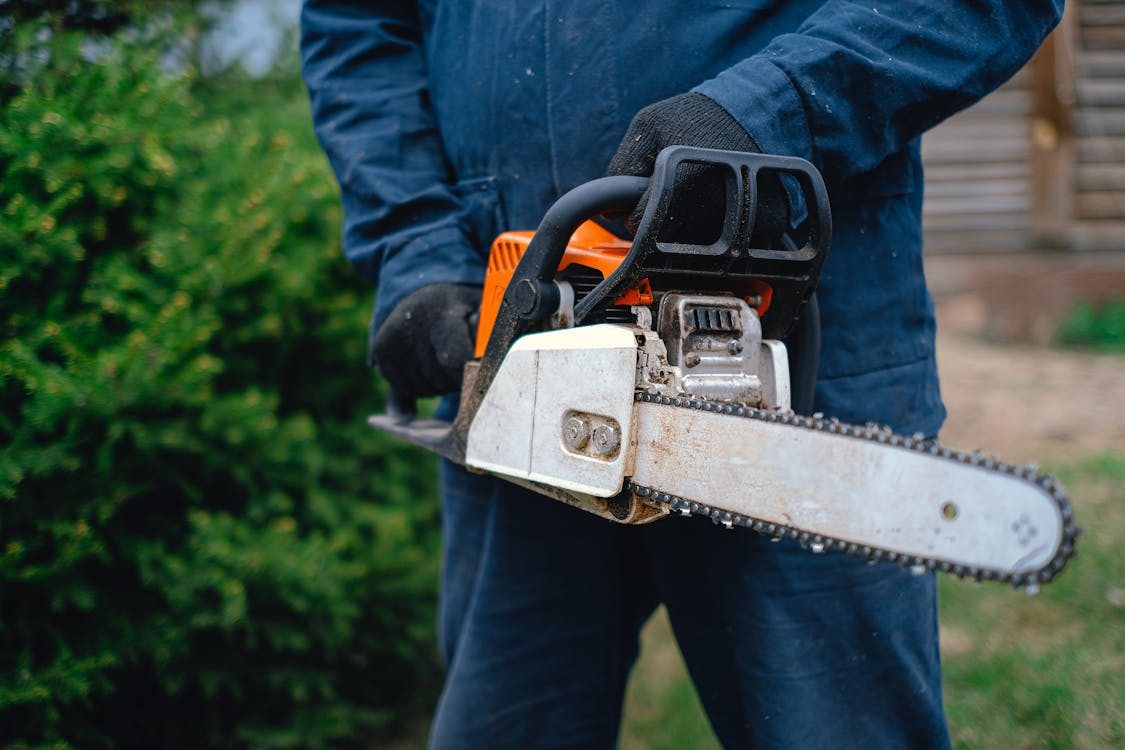
Planning a safe tree removal is mostly about doing the checks before any cutting starts. In Sydney, the Central Coast, and across NSW, that means understanding council rules, assessing risk properly, choosing the right removal method, preparing the site, and knowing what should happen on the day. Whether you’re organising a tree removal Central Coast job or managing a project in the Hills District, the process follows the same core principles.
Do You Need Council Approval Before Tree Removal?
Often, yes. Many tree removal and tree lopping jobs in Sydney and NSW require approval from your local council, especially for protected species, significant trees, or properties in heritage or conservation areas. Rules vary by LGA, so the safest approach is to confirm requirements before booking any tree cutting services.
Approval commonly comes up for large mature trees, street trees, trees near boundaries, land clearing, and sites connected to renovations or development. Non-compliance can trigger stop-work orders, fines, legal action, and serious delays to construction timelines. If you’re unsure whether your job qualifies, getting a professional tree removal assessment first is always the smarter move.
Tree Removal vs Tree Lopping: Why the Legal Requirements Differ
Tree removal usually means taking the tree down completely, including removal to ground level and often dealing with the stump and roots. It is typically chosen when a tree is dead, dangerous, storm-damaged, infected, or in the way of approved works.
Tree lopping is a reduction in height or spread, often used to manage risk, clearance, or long-term structure. Councils regulate both because canopy loss impacts neighbours, habitat, and stormwater, and poor cuts can create long-term decline. The practical takeaway is simple: do not assume “just trimming” is exempt — whether you need tree lopping near me results or a full tree removal, the rules still apply.
How a Professional Tree Removal Company Can Support Compliance
A good local operator can help you gather what council typically wants before you lodge anything. That often includes site photos, trunk measurements, notes from an on-site assessment, and a clear method outline explaining how the work will be done safely.
Where required, an arborist report can strengthen a tree removal application, particularly if the tree is hazardous or structurally compromised. Many companies also plan the full scope in one go, including removal, stump grinding, green waste removal, and a post-removal inspection with recommendations for the rest of the property.
What Safety Risks Should Be Assessed Before Tree Removal?
Safety planning starts with a risk and health assessment, not a chainsaw. The goal is to identify what could go wrong, who or what could be impacted, and what controls are needed to carry out the tree removal without injury or property damage.
Most hazards fall into a few categories: tree condition, nearby targets such as homes, fences, and roads, access and terrain, overhead and underground utilities, weather, and exposure to people and pets. Dead, drying, infected, uprooted, or storm-damaged trees are higher-risk and often justify calling in professional tree removal help rather than attempting the job yourself.
Assessing Tree Health and Structural Stability
Arborists look for defects that change how a tree behaves under load. Common red flags include deadwood, internal decay, cracks, fungal growth, cavities, root plate movement, a sudden lean, and heavy canopy imbalance.
Those findings directly shape the tree removal plan. A sound tree with a clear fall zone may be felled in one piece, while a decayed or leaning tree near a house may require sectional dismantling with rigging, or even crane assistance. If you are seeing dieback or storm damage, treat it as a planning trigger — not a weekend job.
Surrounding Hazards: Power Lines, Buildings, Traffic, and Bystanders
Overhead power lines are one of the biggest constraints on tree work. Minimum approach distances and special procedures may apply, and in some cases the network operator must be involved. If a tree is near service lines, assume it needs expert handling until proven otherwise.
Also map nearby targets such as roofs, gutters, solar panels, windows, fences, pools, sheds, driveways, and parked vehicles. Access matters too: if a chipper, stump grinder, truck, or crane cannot get in safely, the method and cost will change. On busy streets, traffic and pedestrian control may be required. For tree removal Central Coast properties near coastal roads or dense residential streets, this is a particularly common consideration.
Environmental and Site Risks: Slope, Soil, Wind, and Escape Routes
Slopes and soft or wet soil affect footing, machine stability, and the size and shape of the drop zone. Even a small lean can become a major issue on uneven ground, especially if the root area is compromised.
Weather also changes risk quickly. Wind gusts increase unpredictability during cutting and lowering, while rain reduces traction and visibility. A proper tree removal plan includes escape routes, clear communication signals, and a stop-work mindset if conditions shift mid-job. Coastal winds and sandy soils make this especially relevant for tree removal Central Coast sites.
How Do Arborists Determine the Best Method for Tree Removal?
They match the method to the tree, the site, and the reason for removal. Size, species, health, lean, obstacles, access, and your goal — risk reduction, construction clearance, or aesthetics — all feed into the decision. Reputable tree services near me will assess all of these before recommending an approach.
In most residential settings, it comes down to straight felling where space allows, or sectional dismantling when control is needed. Professionals also plan stump handling at the same time, because leaving it out often creates a second job, extra mess, and avoidable trip hazards.
Choosing Between Straight Felling and Sectional Dismantling
Straight felling is usually faster and more cost-effective, but only when there is a genuinely safe fall zone. That means enough clear space for the full height and spread plus a margin for unpredictable movement.
Sectional dismantling removes the tree in controlled pieces. It is commonly used in tight back gardens near fences, pools, or neighbouring properties, or when defects make the trunk unreliable. The earlier risk assessment drives the call, especially when there is decay, heavy lean, or multiple high-value targets nearby.
Planning the Work Sequence: Top-to-Bottom Removal and Waste Handling
Most tree removal jobs follow a consistent sequence: reduce the crown and remove limbs first, then cut the trunk into sections, then handle the stump. This reduces weight and movement early, keeping the tree predictable as it comes down.
Waste handling should be agreed upfront. Branches can be chipped for mulch, loaded for removal, or left on-site if you want mulch for garden beds. Logs can be cut to manageable lengths for removal or kept as firewood where suitable. A post-removal inspection is also useful to identify any hanging limbs or nearby trees needing follow-up.
When Land Clearing or Development Changes the Approach
If the site is being prepared for a build, the approach may expand beyond one tree. Development work can involve vegetation clearing, staged removals, access planning for machinery, and coordination with other trades so the schedule stays intact.
Larger projects may also require additional documentation and compliance steps, including environmental considerations and council conditions around what can be cleared and when. For tree removal Central Coast development sites in particular, local environmental overlays can affect what is cleared and when — so planning ahead with your tree cutting services provider is essential.
What Areas Should Be Cleared Before Tree Removal Begins?
Clearing the right areas improves safety, speeds up the job, and reduces accidental damage. You are not expected to do the technical work, but basic site preparation makes it easier for the crew to set up exclusion zones and place equipment correctly.
Think in zones: the drop zone where timber may land, the work zone where the climber and ground crew operate, an access path for equipment, and a staging area for branches and logs. If branches could cross a fence line, it is wise to notify neighbours early — especially if access is needed.
Creating a Safe Exclusion Zone (and Protecting Valuables)
Set a buffer around the tree based on canopy spread and the planned fall direction or rigging line. Then move anything breakable or valuable: outdoor furniture, pots, children’s toys, barbecues, garden ornaments, shade sails, and vehicles.
Protect what cannot be moved. Cover delicate garden beds if advised, mark irrigation lines if you know their location, and consider pool protection if work is overhead. Keep children and pets indoors and treat the yard as a no-go area until the crew confirms it is safe again.
Ensuring Access for Crew and Equipment
Confirm gate widths and any tight side access points for chippers, stump grinders, and trucks. If access is limited, tell the company early, as it may change the equipment choice and the work method.
Check ground conditions as well. Soft lawns, wet soil, or steep driveways may require boards or mats to reduce damage and improve stability. Also plan where waste will be loaded and how it will exit the property, so the crew is not repeatedly tracking debris through the same narrow path.
What Happens on the Day of a Professional Tree Removal?
A professional job should feel structured and controlled from the moment the crew arrives. You should expect a site briefing, confirmation of scope and approvals, safety setup, controlled tree removal, waste processing, stump options if included, a full clean-up, and a final walk-through.
The safety systems matter as much as the cutting. Reputable crews use appropriate PPE, rigging gear, spotters where needed, and a risk management approach. Proper insurance also protects you if something goes wrong and helps avoid messy disputes with neighbours or builders later.
Site Briefing, Safety Setup, and Documentation Checks
First, the crew confirms the tree removal plan: the method, the drop zone, equipment placement, and communication signals. They will also re-check boundaries and any neighbour considerations, especially where branches could swing or be lowered near a fence line.
If council approval applies, they should confirm any conditions before starting. Then safety controls go in — cones or tape to create an exclusion zone, tool and equipment checks, and an emergency plan for the site.
The Removal Process: Controlled Cuts, Rigging, and Step-by-Step Lowering
Most removals start with branches to reduce weight and limit movement. In tight spaces, rigging and lowering devices allow sections to be brought down under control, rather than dropped.
Dead or storm-damaged trees often require extra caution because they can behave unpredictably. The cutting sequence may change to prevent the tree splitting, the crown tearing out, or unstable timber breaking under its own weight. A clear drop zone and disciplined communication between climber and ground crew are key.
Stump Removal, Green Waste Removal, and Cleanup
Stump grinding is commonly chosen because it reduces trip hazards, improves appearance, and makes future landscaping or replanting easier. Leaving the stump can be fine in some settings, but it often becomes a long-term nuisance, especially if it reshoots or attracts pests.
Green waste is usually chipped, removed, or left as mulch on request. Clean-up should include raking, blowing, and hauling debris so the site is safe and tidy — not just “mostly cleared.”
Post-Removal Inspection and Next-Step Tree Care Recommendations
A final inspection checks for remaining hazards such as hanging limbs, damaged nearby trees, or debris caught in adjacent canopies. You should also get confirmation that the agreed tree removal scope is complete, including stump and waste handling if included.
Many companies will offer next steps such as replanting ideas, ongoing pruning, or monitoring other trees for similar defects. If your property is undergoing development, this is also the moment to discuss any follow-on vegetation clearing or site preparation needs, and how to keep compliance on track.
What to Look for When Hiring ‘Tree Loppers Near Me’ (So the Plan Stays Safe)
Start with insurance and credentials. Ask to confirm public liability and workers’ compensation, then check qualifications and local experience — because Sydney, Central Coast, and broader NSW rules and site conditions vary widely. When running a tree loppers near me or tree removal near me search, credentials and local knowledge should sit above price on your checklist.
Request a written quote that states the method, equipment, PPE, stump and waste handling, and clean-up expectations. Also look for environmental responsibility, such as recycling green waste into mulch and minimising site impact. Any reliable tree services near me result should be able to provide this level of detail without hesitation.
If you’re in the Hills District, North Shore, or need tree removal Central Coast coverage, Trees Down Under is one local option that positions itself as safety-first, fully insured, and able to support removal, stump grinding, mulching, vegetation clearing, and compliance documentation for larger projects. For anyone running a tree removal near me search across the greater Sydney and Central Coast region, they cover the full scope of what a professional, safety-focused job should look like.


