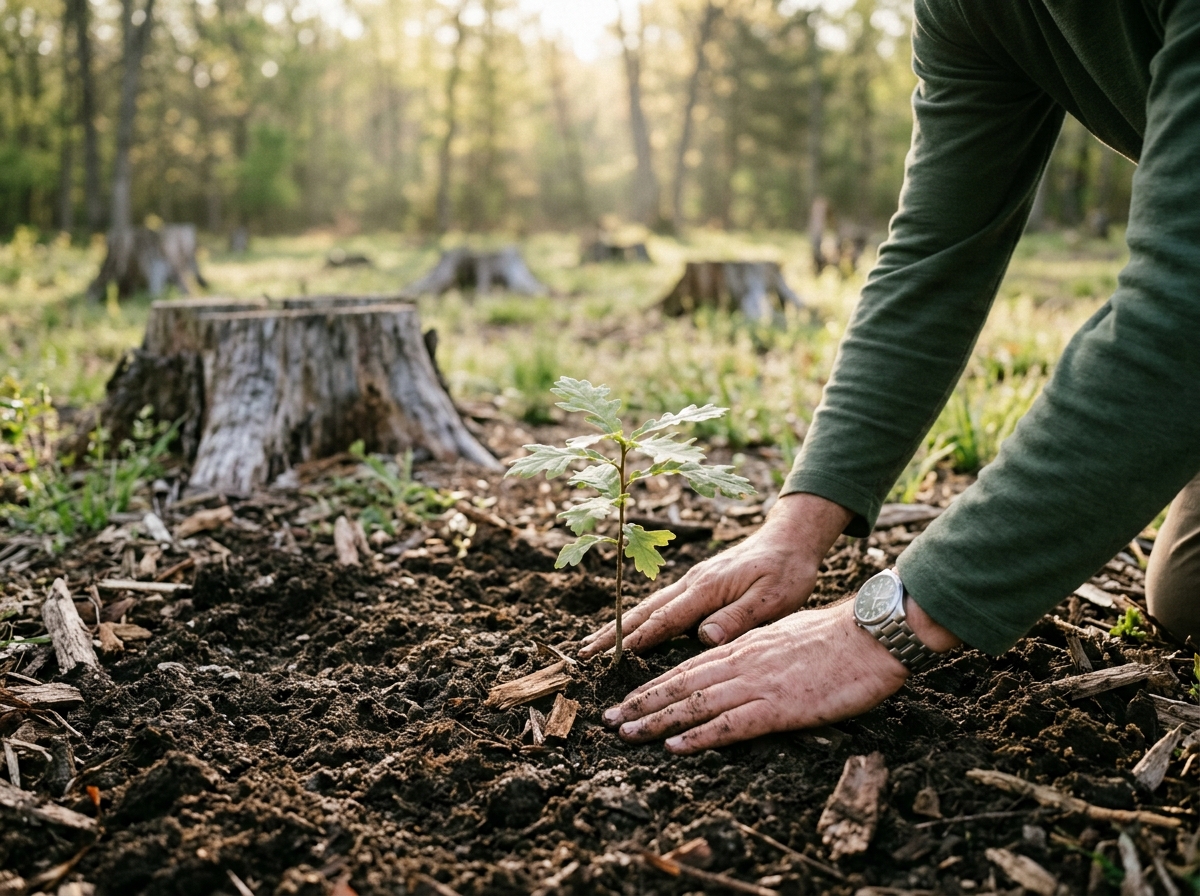
Hands gently pressing soil around a young sapling in a cleared forest area with tree stumps visible in the background.
star
Trusted by Sydney property owners for 20+ years

Reforestation and Tree Planting

Humans plant around 1.83 billion trees each year, yet more than 15 billion are lost annually. Closing that gap starts with understanding why reforestation matters – and taking action now.

The Gap Between Trees Lost and Trees Planted

The numbers tell a difficult story. More than 15 billion trees are cut down every year for agriculture, timber, and urban expansion, yet only around 1.83 billion are planted in return – roughly one tree for every eight lost. Food production alone accounts for 80% of tropical deforestation over the past decade. At current rates, natural forest recovery cannot keep pace; forest soil can take up to 80 years to recover from fire and logging without human intervention. Closing this gap requires deliberate, organised planting at scale. Whether you are a landowner, a volunteer, or an organisation looking to contribute to landscape recovery, understanding the deficit is the first step toward meaningful action.

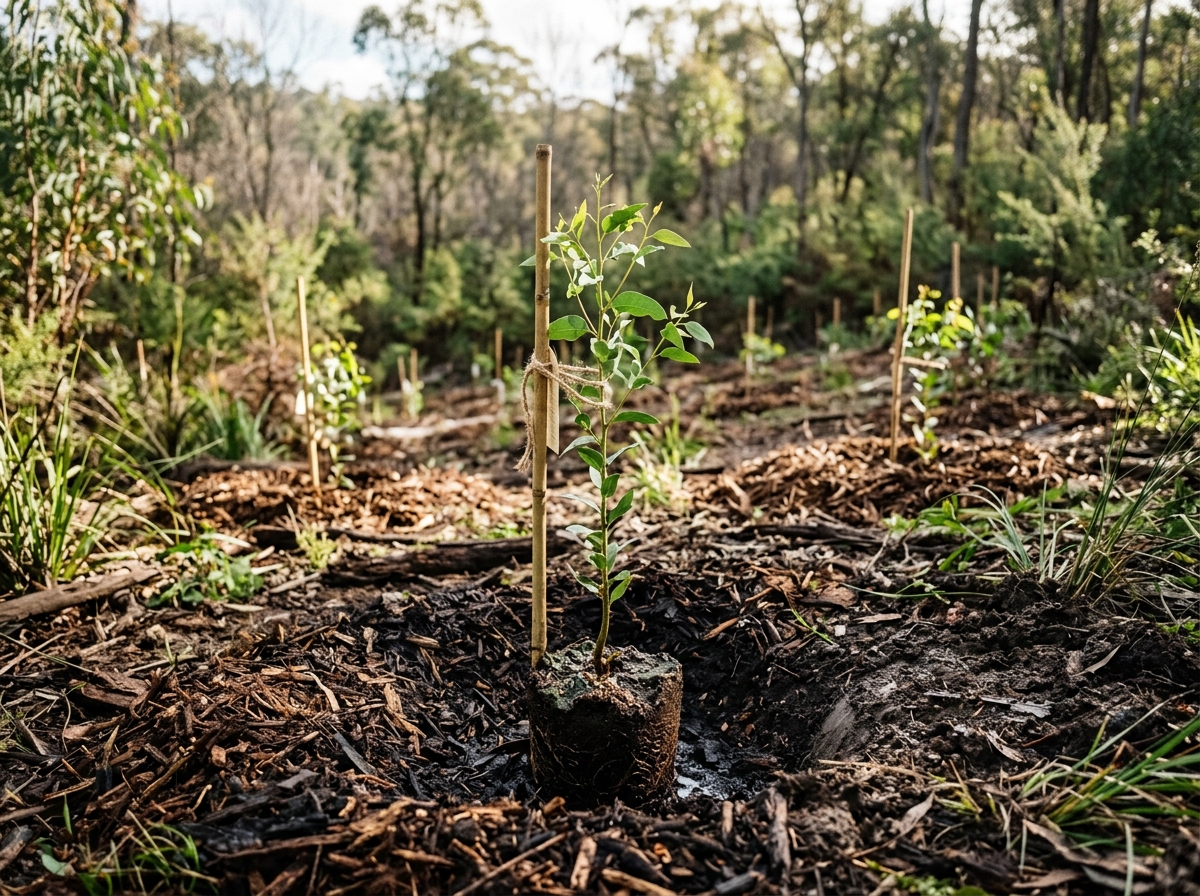
Young sapling with exposed root ball planted in moist soil surrounded by mulch in a cleared forest area with dappled sunlight.

How Trees Restore Damaged Landscapes

When trees are removed from a landscape – whether by fire, logging, or land clearing – the damage runs deeper than what is visible at the surface. Soil structure weakens, erosion accelerates, water quality declines, and native species lose the habitat they depend on. Because forest soil can take up to 80 years to naturally recover, human-led planting is essential for genuine restoration rather than simply waiting for nature to catch up.

Planted trees stabilise soil against flooding and erosion, filter water as it moves through root systems, and rebuild the canopy cover that native wildlife relies on. Over time, a well-planned planting programme can return biodiversity to areas that have been stripped bare, supporting endangered species and restoring ecological balance.

The right species in the right location is what separates a planting effort that thrives from one that stalls. Working with certified arborists and local environmental organisations helps ensure each tree is matched to local soil, climate, and biodiversity conditions – giving it the best chance of contributing to long-term landscape recovery.

Global Reforestation Initiatives Making Progress

Campaigns That Are Shifting the Numbers

Several large-scale programmes have demonstrated that coordinated action produces measurable results. Pakistan’s 10 Billion Tree Tsunami had planted over 1 billion trees by June 2021, targeting both landscape restoration and forestry employment. Rwanda committed to restoring 2 million hectares of forest by 2030 and increased forest cover by 30% a full year ahead of schedule.

The UN’s Trillion Tree Goal

The United Nations Environment Programme’s Trillion Tree Campaign reached its initial 1 billion tree target in 2007 and has progressively raised its ambition since. National governments and established NGOs remain the most significant drivers of these programmes, providing the coordination and funding that volunteer efforts alone cannot sustain.

What Local Action Adds

Planting the right tree in the right place matters more than the numbers – a poorly matched species can set a landscape back rather than restore it.

Joseph Khoury, Director & Founder, Trees Down Under

Global targets only succeed when local knowledge shapes the work. Species selection, soil conditions, and ongoing maintenance determine whether planted trees survive to maturity – which is why community-level expertise remains essential alongside any large-scale initiative.

Young saplings and newly planted trees at various growth stages in soil, with morning light filtering through a restored forest area.

Getting Involved in Tree Planting

Joining a reforestation effort is more accessible than most people expect. With minimal training, volunteers can plant a sapling in under a minute, and when that skill is multiplied across organised groups, the impact adds up quickly. Well-structured opportunities are available through local councils, conservation groups, and organisations like One Tree Planted, which works alongside local landowners to match the right species to each site.

For organisations looking to contribute at a larger scale, partnering with certified arborists ensures trees are planted correctly and in appropriate locations, improving the long-term survival rate of each planting. Species selection, soil preparation, and site assessment are just as important as the act of planting itself.

Whether you are an individual volunteer or a business seeking to offset your environmental footprint, the first step is connecting with a qualified local expert. Trees Down Under can advise on species suitability and site conditions across Sydney and the Hills District. Call 0475 463 597 any time to speak with a certified arborist.

Hands gently pressing soil around a young sapling in a cleared forest area with dappled sunlight and recovering understory vegetation.

Why Reforestation Cannot Wait

Forest soil can take up to 80 years to recover naturally after fire or logging – which is why human-led tree planting matters so much right now. If your property, site, or community land needs trees planted or assessed, Trees Down Under’s certified arborists are ready to help. Call 0475 463 597 any time for a same-day quote with no hidden fees and no obligation, from a fully licensed and insured team with 20+ years of local experience.