
You May Also Like:
When damage occurs during tree work, liability usually depends on who controlled the job, what was agreed, and whether the necessary permits, insurance, and safety measures were in place. In Sydney, it also depends on regulatory compliance, because Sydney tree prevention laws require permits/approval from the local council for tree lopping services, and ignoring that can trigger legal actiton.
A professional tree removal company should start with an assessment of trees for health and risk, then move into planning the safe tree-cutting/removal process. That planning matters because it helps show whether damage was a freak accident or a preventable mistake by the tree removal company.
Is the Tree Removal Company Responsible for Property Damage During the Job?
In most cases, yes. If the tree removal company caused damage through poor technique, unsafe rigging, inadequate exclusion zones, or failure to follow their own risk management plan, they are usually responsible for repairing the property damage.
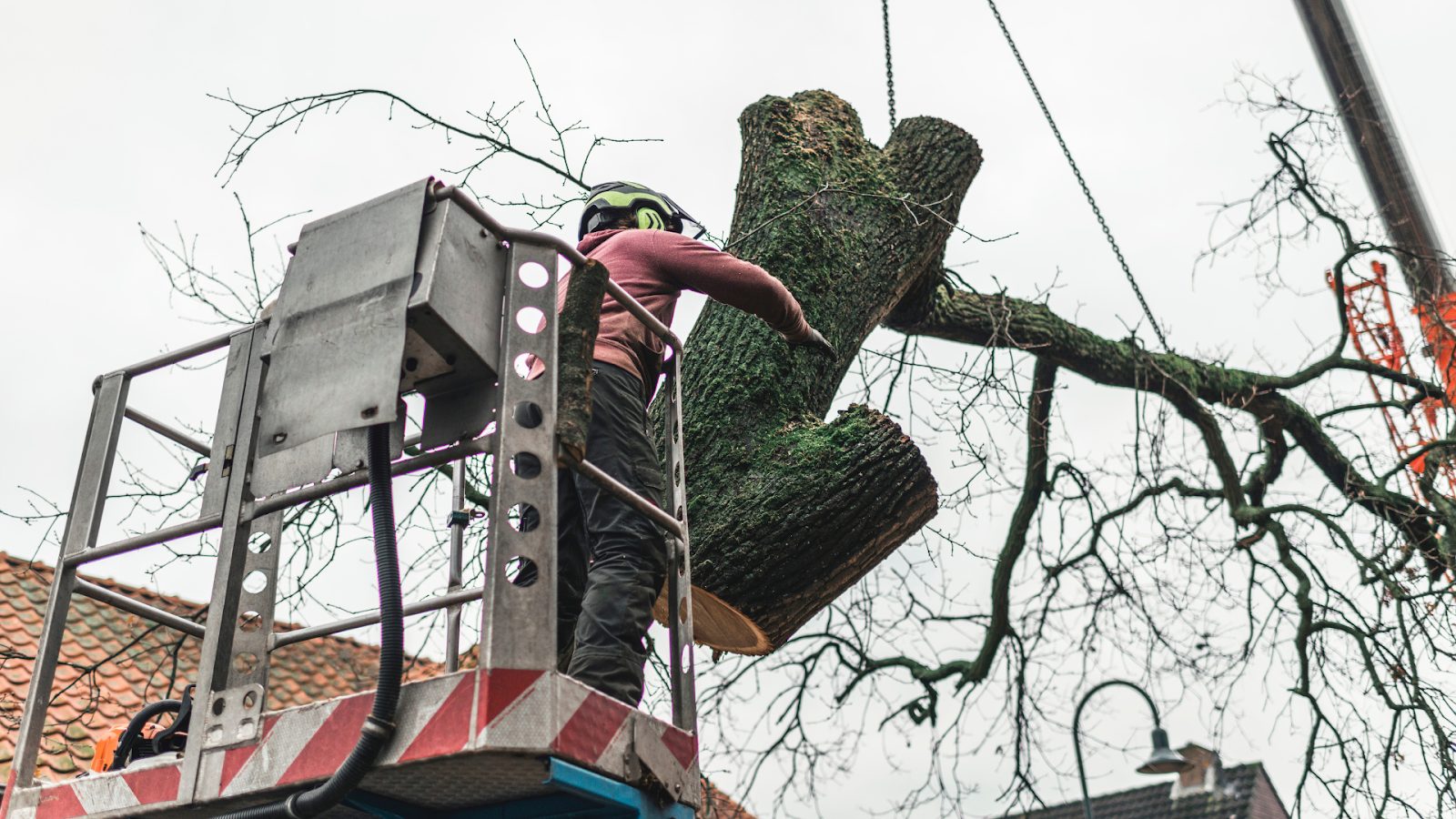
A tree removal company is typically hired as an independent contractor, which means they owe a duty of care while on site. That duty covers common outcomes such as fence damage, roof impacts, cracked paving, or damage to neighbouring property, especially during tree removal (complete removal from top to roots, used when the tree poses danger or is dead) or tree lopping (reduction of tree size, an advanced version of pruning for maintenance and preservation).
If the job scope included extras such as stump removal, green waste removal, post-removal inspections, recommendations, and tree care tips, those add-ons do not remove their core responsibility to work safely. They may also be responsible if their equipment and vehicle movements damage driveways, retaining walls, or garden structures.
Does Public Liability Insurance Cover Damage Caused by Tree Removal?
Often, yes. Public liability insurance is designed to cover accidental third-party property damage caused by the tree removal company during normal operations, which is why verifying insurance is non-negotiable.
However, cover can be limited or disputed if the tree removal company acted outside their licence conditions, ignored permits, or carried out unlawful work under local rules. In Sydney, council approval can matter, especially if the work is regulated or the tree is protected. If they proceed without permits, the insurer may argue the activity was not compliant.
Many established tree removal operators also carry professional indemnity (for advice and assessment errors), workers’ compensation (for their crew), and equipment and vehicle cover. For example, Trees Down Under highlights insurance coverage (public liability/professional indemnity/workers’ compensation/equipment and vehicle) alongside a risk management plan, which can reduce disputes when damage occurs and speed up rectification.
When Can a Homeowner Be Held Liable Instead of the Tree Removal Company?
A homeowner can be held liable when their choices or instructions materially caused the loss. If the homeowner knowingly hired an unlicensed or uninsured operator, or pushed the tree removal company to do unsafe work, they may share liability, particularly if a neighbour’s property is affected.
Liability risks also rise when a homeowner skips due diligence in the steps to hire tree removal services: research recommendations, verify credentials (insurance/licence), consider local knowledge, get quotes/estimations for services/equipment/tools/gear/PPE/environmental consciousness. If the homeowner arranges or encourages work that breaches council rules, they might face council penalties even if the tree removal company performed the cutting.
Homeowners can also be exposed if they misrepresented site conditions, such as hidden services, boundary locations, or access constraints. If the tree removal company relied on incorrect information and that information directly caused damage, the allocation of responsibility may change.
What Should You Do Immediately If Damage Occurs During Tree Removal?
First, make the site safe and stop work if there is an ongoing risk. Damage during tree work can involve unstable limbs, live power lines, or compromised structures, so safety comes before fault discussions.
Next, document everything. The homeowner should take photos and videos, record the time, keep copies of the quote, scope, and messages, and request a written incident summary from the tree removal company. If a neighbour is impacted, they should be informed promptly and kept updated.
Then, request the insurer’s details and lodge a claim as required. If the tree removal company is reputable, they will usually report the incident to their insurer and propose a repair plan. Where council approval was required, the homeowner should also keep records showing whether permits were obtained, because regulatory compliance often shapes how disputes are resolved.
How Can You Protect Yourself Before Hiring a Tree Removal Company?
Protection starts before anyone turns up with a saw. Hiring professional tree services in Sydney maintains trees’ health, boosts property value, saves time/effort, fulfils environmental responsibility, prevents legal action, but only if the provider is properly insured, experienced, and compliant.
A homeowner should only engage a tree removal company that can demonstrate competence in the assessment of trees for health and risk and planning of safe tree-cutting/removal process. They should also confirm whether the job is tree removal or tree lopping, because the method affects risk, access, and council requirements.
Practical checks to reduce liability and disputes include:
- Request a current certificate of currency for public liability insurance and confirm the business name matches the quote.
- Verify credentials (insurance/license) and ask who is supervising on site.
- Confirm whether council permits are needed under Sydney tree prevention laws, and who will obtain them.
- Get quotes/estimations for services/equipment/tools/gear/PPE/environmental consciousness in writing, including exclusions.
- Ask about green waste removal, stump removal, and post-removal inspections to avoid surprise add-ons.
- Ensure there is a clear plan for protecting fences, roofs, driveways, and neighbouring property.
For larger jobs such as development services (tree removal/stump grinding/vegetation clearing/mulching/site preparation/grading/environmental assessments/regulatory compliance), local experience matters. A provider like Trees Down Under, serving locals in the Hills District/North Shore, typically operates with documented systems that help reduce risk, but the homeowner should still confirm the exact scope, boundaries, and approvals.
If they need to hire a tree removal company for dead/drying/infected/uprooted/damaged trees or for construction/aesthetic requirements, the safest path is simple: choose a tree removal company that is insured, compliant, and specific about how they will prevent damage. For anyone booking a tree removal company, the next step is to request proof of insurance and a written risk-managed plan before approving the job.


