Aging eucalyptus with sparse canopy and dead branches in a fenced Sydney backyard, decay at its base, morning light on the lawn.

Tree Health Assessment for a Dying Gum Tree

Worried your gum is dying? A free on-site tree health assessment from an AQF Level 3-5 certified arborist covers the canopy, deadwood, decay and site risk, then gives you a clear answer. Same-day quoting is available across Sydney. Call any time on 0475 463 597, including emergencies.

What does a tree health assessment involve?

A tree health assessment for a dying gum tree is two jobs in one: a health check and a risk evaluation. An AQF Level 3-5 certified arborist inspects the crown, trunk and root zone, then looks at the site around it. That includes anything the tree could hit if a limb drops or the whole tree fails, such as people, homes, fences, driveways and play areas.

Saving a struggling gum is always a balance of biology, structure and site risk. A tree can look rough and still be manageable, or look fine and carry a serious defect. Each tree is assessed case by case, because species, age and location all change how it is likely to fail.

You get a plain-language verdict: treat it, prune it, monitor it, or remove it. If the answer is removal, the arborist also explains the council permit steps before any work starts. The first visit is a free tree inspection, so you can get a clear answer without committing to anything. Call 0475 463 597 any time to book, and ask about same-day quoting where availability allows.

What an arborist looks for in a struggling gum

Crown and canopy

A dying gum tree often shows thin foliage on the top-centre branches, smaller or off-colour leaves, and more deadwood than usual. Recent branch drop is a red flag for anyone parking or playing beneath it.

Bark, fungi and borers

Cracked or lifting bark, weeping sap, cavities, fungal bodies and borer activity all point to decay inside the trunk. Odd healing on old pruning cuts tells an arborist how well the tree is coping.

A gum can look fine from the street and still be hollow at the base. That is why we check the trunk and roots, not just the crown.

Joseph Khoury, Director & Founder, Trees Down Under

Roots and soil

Compacted soil, water stress and a developing lean can mean the roots are failing. Some shallow-rooted gums can uproot in gusty winds, which matters most near homes and fences.

Spotted any of these signs? Call 0475 463 597 any time to book a free tree health assessment before you decide on tree removal.

Declining eucalyptus in a suburban front yard, with bare silvery branches, sparse yellow leaves, peeling bark and fallen limbs.

Signs a gum tree may be declining

Thin crown and odd healing

Look for noticeably less foliage on the top-centre branches than in the rest of the canopy. Old pruning cuts that have healed unevenly are another warning. Both point to a tree under stress, and a weakened crown can drop limbs without warning.

Borers and past pest problems

Borer holes, sawdust-like frass or a history of pest infestation can show where a gum is weakest. That helps an arborist judge how likely a failure is, and in which part of the tree.

Species and wind

Species affects how a tree fails. Some shallow-rooted gums can uproot in gusty winds, so a tree close to a house, fence or play area deserves attention sooner.

If any of this sounds familiar, call 0475 463 597 any time to book a free tree inspection. Check council permit requirements before the tree is removed.

Eucalyptus tree with a thinning crown and bare grey twigs, a bulging pruning scar and borer holes, in a Sydney backyard.
Aging eucalyptus with thin canopy, bare upper branches and trunk cavity beside a fence and brick house, swing set beyond.

Worried about a gum near your home?

If a dying gum tree sits close to your house, fence or a play area, book a free on-site tree health assessment. A certified arborist will inspect it and give you a clear answer. If a tree or limb is an immediate danger, call 0475 463 597 any time for emergency response.

What happens after the inspection?

A clear risk rating and recommendation

Once the on-site assessment is done, the arborist gives the dying gum tree a risk rating that weighs its health, its structure and what sits underneath it, such as people, homes, fences and driveways. You then get a plain-language recommendation, which will be one of the following:

  • Monitor the tree and recheck it later
  • Treat a pest or disease problem
  • Prune deadwood or weak limbs
  • Remove the tree

Each job is judged case by case, so the advice reflects your tree and your site.

A safe work plan and urgent controls

If cutting or rigging is needed, the arborist outlines how the work will be done safely, including whether crane-assisted removal makes sense. Where a tree is hazardous, urgent risk controls may be recommended straight away to protect people and property.

Council permit guidance

Before any major work, the arborist advises on council permit steps, as Sydney tree preservation laws can apply to gums on residential land. It is worth confirming this before the tree is removed, and the team can guide you through it. For a free tree inspection and same-day quoting, call 0475 463 597 any time.

Read more on gum tree health

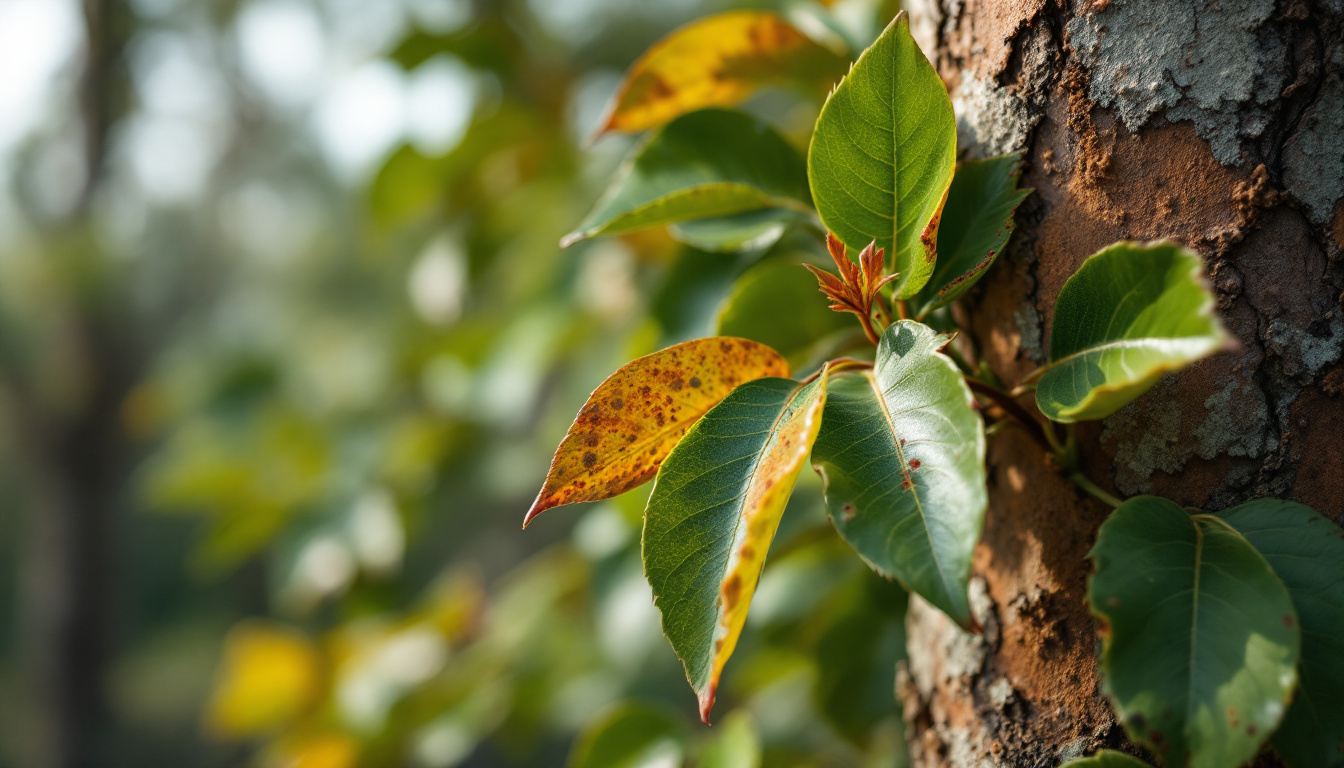
A photograph of a close-up view of a gum tree showing visible signs of disease
Icon Date
08/15/2025

5 Signs You Should Contact an Arborist in Sydney

By identifying warning signs early on, you can save yourself thousands of pounds in tree removal costs and protect your property from damage.

A photograph of a close-up view of a gum tree showing visible signs of disease
Icon Date
02/24/2025

How to Spot and Manage Gum Tree Disease in Australia Before Tree Removal

Discover essential tips for identifying and managing gum tree diseases in Australia.