
Month: May 2026
What Are the Benefits of Regular Tree Pruning in Sydney?
You May Also Like:
- Tree Pruning Sydney: A Year-Round Timeline for Maximising Healthy Growth
- Is Now the Right Time for Tree Pruning in Sydney?
- Can Tree Trimming Extend the Life of a Tree?
Sydney’s trees often sit close to homes, fences, driveways, and powerlines, so maintenance is not just about looks. Regular pruning helps trees stay healthier, reduces risk, and can prevent expensive damage, especially when it is planned and documented by qualified professionals.
How Does Regular Tree Pruning Improve Tree Health?
Regular tree pruning Sydney matters because urban trees need guidance to grow safely in tight spaces. Done well, tree pruning Sydney supports healthier growth by reducing stress points and keeping branches away from structures before problems escalate.
Pruning improves canopy airflow and light penetration, which can lower fungal pressure and support stronger leaf and branch development. It also removes dead or declining growth so the tree can put energy into healthy tissue.
It helps to understand the difference:
- Tree pruning: targeted health and structure cuts
- Tree lopping: more aggressive size reduction for maintenance and preservation
- Tree removal: complete removal from top to roots
A professional tree pruning service will often leave recommendations and tree care tips so they can maintain health between visits, especially after seasonal changes or storms.
What Does a Professional Tree Health and Risk Assessment Include?
A proper assessment of trees for health and risk checks the tree’s current condition and what could fail next. It typically covers crown condition, deadwood percentage, decay or cracks, root flare stability, pest signs, limb attachment strength, and proximity to structures.
Professionals document the risk, then plan cuts to avoid over-pruning and stress. If pruning reveals a serious defect, it can trigger planning of safe tree-cutting/removal process rather than pushing ahead with cosmetic cuts.
When Is Tree Removal Considered Instead of Pruning?
Tree removal is considered when the tree is dead, severely drying, infected, uprooted, storm-split, or has major trunk damage. It may also be necessary for construction conflicts or where a severe lean and uplifted roots indicate instability.
Tree removal means complete removal from top to roots, and many jobs include stump removal, green waste removal, and post-removal inspections. Routine tree pruning Sydney is often the prevention step that reduces the chance they will need removals later.
Can Tree Pruning Reduce Safety Risks on Sydney Properties?
Routine tree pruning Sydney reduces hazards from falling branches, weak unions, and overextended limbs above walkways, driveways, sheds, and play areas. For strata and households alike, tree pruning Sydney is a practical way to manage risk without losing mature trees.
Pruning can also improve visibility and clearance for pedestrians and vehicles, and reduce interference with overhead lines, without anyone attempting unsafe, technical electrical work. Hiring professionals saves time and effort, and reduces personal injury risk compared with DIY ladder and chainsaw use.
Insurers and strata or property managers often prefer documented professional work, especially when it shows what was cut, why it was cut, and how the site was left safe.
Why Should They Choose Licensed and Insured Pruning Services Near Them?
They should check credentials before booking tree cutting. That includes licence requirements (where applicable), training, safe work method statements, and proof of insurance.
A strong safety stack typically includes:
- Public liability
- Professional indemnity
- Workers’ compensation
- Equipment and vehicle coverage
- A risk management plan
To hire tree services, they should research recommendations, verify credentials, consider local knowledge, and request itemised quotes that list services, equipment, tools, gear, and PPE, plus clean-up and green waste removal.
What Should a Quote for Tree Pruning Services Include?
A clear quote should itemise the scope of pruning, access method, timing, disposal or mulching, and any traffic or pedestrian management if needed. It should also note post-job inspection notes, especially where defects were found.
Environmental consciousness matters too, so they should look for green waste recycling, mulching, and a minimal-impact approach to garden beds and lawns.
How Does Pruning Help Prevent Property Damage During Storms?
Dense canopies can act like a sail in strong winds, and heavy limbs over roofs, cars, and fences increase the risk of damage. Strategic tree pruning Sydney reduces that wind load and removes obvious failure points before storm season.
Preventive cuts often include removing deadwood, reducing end-weight on long limbs, balancing the canopy, and clearing branches away from structures. Over time, tree pruning Sydney also reduces rubbing and crossing branches that can create weak points.
How Do Professionals Manage Safety During High-Risk Pruning Work?
Professional crews use controlled lowering, exclusion zones, PPE, and safe access methods to manage high-risk work. The goal is to protect people, property, and the tree while completing the job efficiently.
It also helps if they search locally for “tree trimming near me”, as faster inspections can support ongoing maintenance scheduling and quicker responses after storms.
Does Regular Tree Pruning Improve Tree Growth and Appearance?
Yes, regular tree pruning Sydney improves structure and presentation by shaping stronger branch architecture and improving weight distribution. For many sites, tree pruning Sydney is the simplest way to keep trees attractive without repeated emergency call-outs.
Structural pruning reduces rubbing and crossing branches, which helps prevent wounds and future decay. Aesthetically, it can produce a cleaner outline, open up views, improve garden light, and lift property value through a well-maintained landscape.
Responsible providers also include green waste removal and mulching, which keeps the site tidy and supports soil health. Using qualified providers can also reduce legal and environmental issues by keeping work appropriate and well documented.
How Can Pruning Support Environmental Responsibility in Sydney Suburbs?
Maintaining healthy trees supports the local canopy and reduces unnecessary removals, so pruning is often the “preserve first” option. It can be a practical way to meet environmental responsibility while still managing risk near homes.
Professional services can recycle green waste through mulching and disposal pathways that reduce landfill. For larger sites, some providers also offer vegetation clearing, land clearing, site preparation, grading, environmental assessments, and regulatory compliance for development work.
How Often Should Trees Be Pruned in Sydney Conditions?
It depends on species, age, growth rate, prior pruning history, and the site’s risk level, so periodic professional assessments are a sensible baseline. Trees near structures, play areas, or accessways usually need closer monitoring than trees in open gardens.
As a guide, young trees often benefit from more frequent formative pruning, while mature trees may need less frequent cutting but regular inspections. If they are in a higher-risk location, tree pruning Sydney checks may be needed more often to stay ahead of defects.
What Local Council Rules Might Affect Pruning and Lopping?
Sydney tree prevention laws require permits or approval from the local council for tree lopping services in some cases, especially for protected trees or when pruning intensity crosses certain thresholds. They should confirm rules with their local council before work begins.
Professional teams can help identify when permits may be needed and keep work aligned with regulatory compliance to prevent legal action. This is especially relevant when pruning escalates to tree removal or when development and land clearing are involved.
If they want fewer emergencies, healthier trees, and clearer compliance, they should book a documented assessment and schedule regular tree pruning Sydney with a properly insured local crew such as Trees Down Under serving the Hills District and North Shore.
Can Stump Removal Help Prevent Driveway Damage?
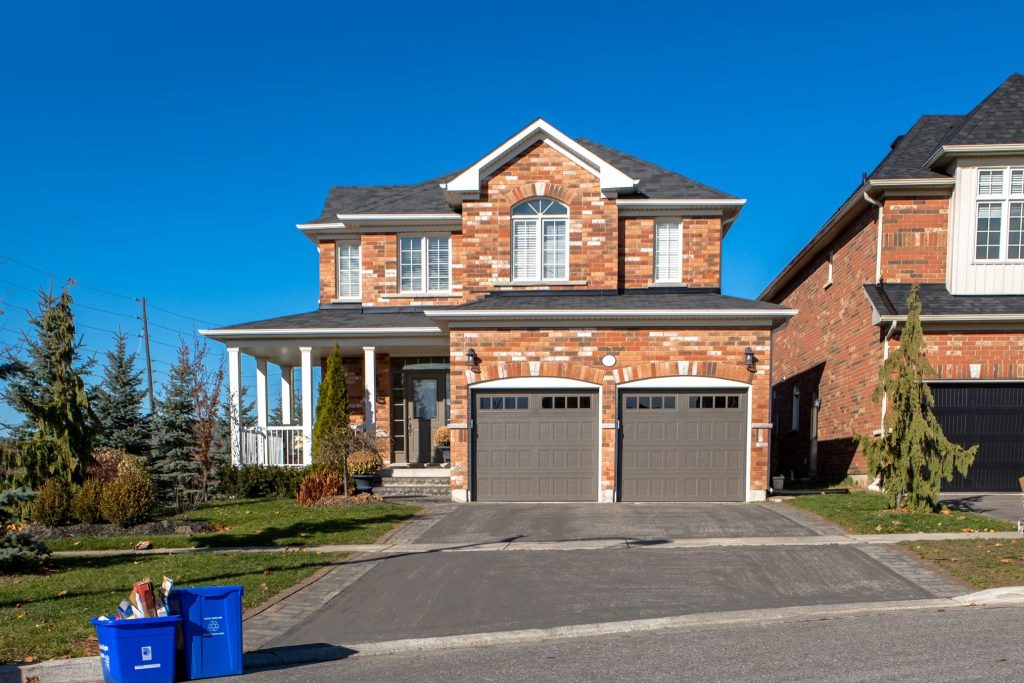
Driveway cracks and lifted slabs are not always “just age”. Very often, nearby roots or an old stump zone are changing the ground beneath the surface. The right stump decision can reduce further movement, help drainage, and protect the edge of the driveway before repairs become expensive.
How Can Tree Roots Cause Damage to Driveways?
Tree roots can damage driveways by expanding and pressing against the base layers, which creates cracking, lifting, and uneven sections. This is especially common near mature trees or where a tree was removed but the root system remains active below ground, which is why many owners investigate stump grinding Sydney early.
Roots do not “drill” through concrete, but they do thicken over time and chase moisture. If a slab edge, paver joint, or asphalt seam is already weak, roots can exploit it and slowly force movement.
Common signs include:
- Cracks radiating from the driveway edge closest to the stump zone
- Localised lifting or a ridge forming along one side
- Pavers separating or becoming wobbly
- New dips where soil is settling after root decay
Early assessment helps because a professional can map stump position, check visible surface roots, and consider the driveway base condition before damage worsens.
What driveway warning signs suggest roots (or a stump) are involved?
If cracking starts nearest a stump location, roots are a likely contributor. A site visit can confirm whether the pattern matches root pressure, soil shrinkage, or drainage issues, and many homeowners book stump grinding Sydney as a preventative step once those signs appear.
Look for changes that keep repeating after patching, such as a repaired crack reopening or pavers drifting apart again. A professional can also check for surface roots, shallow footing near the edge, and whether water is pooling and softening the sub-base.
What Happens If You Leave a Tree Stump Near a Driveway?
Leaving a stump near a driveway keeps the problem zone in place, even if the tree is gone. As attached roots decay, they can create voids, cause soil settlement, and contribute to slab edge drop, which is why stump grinding Sydney is often recommended soon after removal.
There are usually two main driveway risks:
- Displacement or settlement as roots rot and gaps form under the surface
- New growth or suckers in some species, which can keep parts of the root system active
Planning matters near hard surfaces. Teams need safe equipment positioning, protection for driveway edges, controlled debris handling, and clear access for pedestrians and vehicles, especially in public-facing areas where insured professionals reduce the risk of property damage.
How do Sydney rules and site safety affect stump work near hard surfaces?
Some Sydney tree prevention laws may require council permits or approval for certain tree lopping services. Even when a tree is approved and removed, stump work still needs safe access, traffic control if relevant, and careful setup around concrete, which is another reason people choose stump grinding Sydney with insured operators.
Good preparation includes identifying pinch points for machinery, protecting slab corners from impact, managing green waste removal, and keeping the work zone separated from cars and foot traffic. Insurance and a risk management plan are particularly important when the driveway is shared, steep, or close to public pathways.
Does Stump Removal Stop Root Growth Completely?
Stump removal usually stops the stump acting as a growth point, but it does not always guarantee immediate “root death” for every species. Outcomes depend on the tree type, how much root mass remains, and whether the tree was already dead, so stump grinding Sydney quotes should be based on the specific site conditions.
Method choice matters:
- Full extraction removes more material and can reduce future void risk, but it is more disruptive near a driveway.
- Grinding removes the stump below ground level while leaving roots to decompose naturally over time.
Safe work should include checking for underground services and confirming safe operating distances. If stump work is part of a bigger job, a safe tree-cutting/removal process should be planned from canopy to stump, followed by post-removal inspections and recommendations like backfilling and compaction, drainage improvements, and tips for new plantings.
What should a professional assessment include before deciding on grinding vs full removal?
A proper assessment focuses on driveway protection first, then method selection. For stump grinding Sydney, professionals typically review stump diameter, distance to the slab, surface roots, soil type, slope and drainage, and whether machinery can access without damaging edging.
They should also plan around underground utilities, confirm where the grinder or excavator can be positioned, and explain how the area will be reinstated. After removal, they should recommend whether to remove grindings, backfill with suitable material, and compact in layers to reduce later settling.
Can Stump Grinding Help Prevent Future Driveway Damage?
Stump grinding can help prevent future driveway damage by reducing above-ground hazards and allowing the ground near the slab edge to be re-levelled and managed for drainage. It is commonly chosen near driveways because it is quicker and less invasive than full extraction, and many owners book stump grinding Sydney to minimise disturbance to concrete or asphalt.
At a high level, the process is:
- Grind the stump to below ground level
- Remove grindings or reuse as mulch where appropriate
- Backfill and level the area to restore support and surface grade
The prevention logic is practical. Removing the stump reduces trip and impact risk, and proper backfill helps prevent water from collecting beside the driveway and undermining the edge. This is why a stump grinding service is often the preferred option when owners want the job done neatly without major excavation.
How much does stump grinding cost in Sydney, and what affects pricing?
Stump grinding cost varies, mainly based on complexity rather than a flat rate. For stump grinding Sydney, pricing commonly shifts with stump diameter, number of stumps, access constraints (gates, steps, driveway width), proximity to structures, root flare complexity, and green waste removal requirements.
Quoting best practice is to request an itemised quote that clearly covers labour, equipment, tools, gear and PPE, site protection, cleanup, and disposal or mulching options. That makes it easier to compare like-for-like and avoid surprises on the day.
Why use specialists rather than DIY when the stump is close to a driveway?
Specialists reduce the chance of chipping driveway edges, striking hidden utilities, or leaving uneven ground that later settles and cracks repairs. When the stump is tight to the slab, stump grinding Sydney is best handled by insured teams who can control machine positioning and reinstatement.
A simple credential checklist includes:
- Proof of insurance and relevant licences
- A clear risk management approach for public-facing or shared access areas
- Local experience with access limitations and council expectations
In the Hills District and North Shore, Trees Down Under supports locals with stump grinding, vegetation clearing, mulching, and site preparation, with a focus on regulatory compliance and site safety rather than rushed, high-impact removal.
When Should You Remove a Stump to Protect Your Property?
The best time to remove a stump is as soon as practical after tree removal, before cracks widen and before decaying roots create voids that allow the driveway edge to drop. If the stump is close to hard surfaces, many owners schedule stump grinding Sydney early to reduce ongoing movement and avoid repeat patching.
Situation-based triggers include a driveway already showing heave or cracking, a stump within a few metres of the slab, planned resurfacing or paving, frequent water pooling near the stump zone, or upcoming construction and aesthetic upgrades.
A simple decision flow helps:
- Assess risk and any permits
- Choose method (grinding vs extraction)
- Schedule access and safety controls
- Confirm cleanup and green waste removal
- Complete post-removal inspection and a basic maintenance plan
Driveways are expensive to replace, and stump zones are a common hidden cause of ongoing movement. Book a professional assessment and lock in stump grinding Sydney now before minor cracking turns into a full resurfacing job.
How Do I Find the Best Stump Removal Near Me?
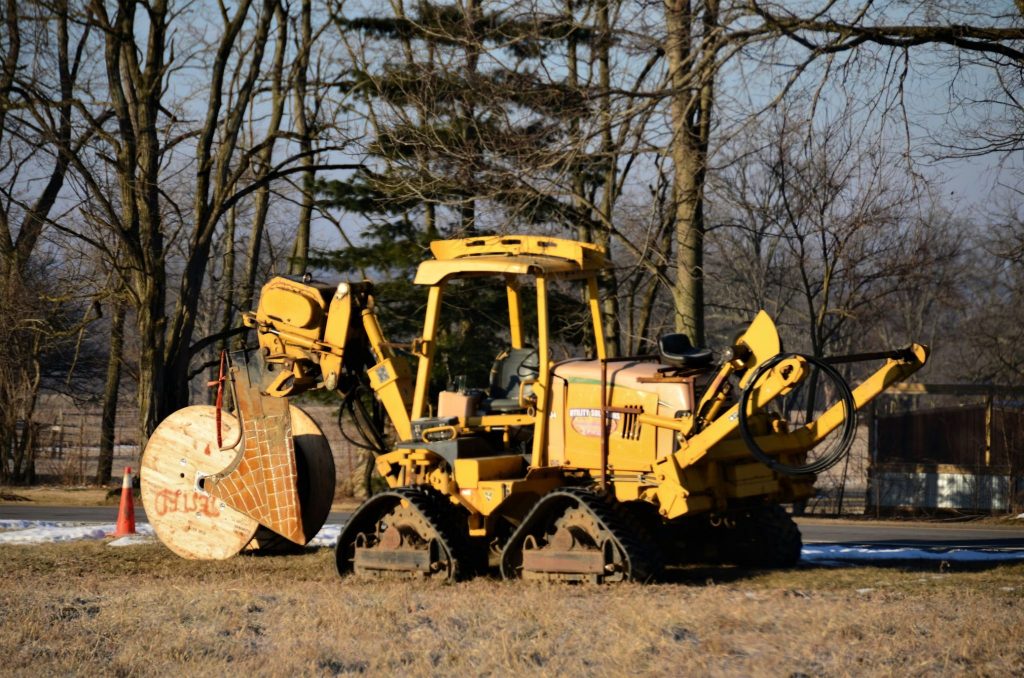
Searching for stump removal near me usually means one thing: they want a safe, tidy job that does not create new problems with roots, services, or local regulations. The best approach is to compare providers on scope, compliance, safety, and clear pricing, then choose the team that offers the best overall value.
What Should You Look for in a Stump Removal Service Near You?
When someone types stump removal near me, the goal is simple: fast, safe, clean, council-aware removal with minimal disruption. A strong provider explains what they will do on-site, how they will manage risk, and what the area will look like afterwards.
First, they should clarify service scope options. Tree stump removal (full extraction) removes the stump and major roots, while stump grinding services grind the stump down below ground level. They should also offer green waste removal and site clean-up so the job does not leave piles of mulch, debris, or trip hazards.
In Sydney, they should flag compliance early. Sydney tree prevention laws require permits/approval from local council for some tree lopping services, and a reputable operator raises this before booking, not after the work begins.
Look for safety and professionalism signals: a trained crew, PPE, a documented risk management plan, and post-removal inspections with recommendations and tree care tips. They should also explain whether they are performing tree removal (complete removal from top to roots), or tree lopping (reduction of tree size, an advanced version of pruning for maintenance and preservation).
Insurance is non-negotiable. They should carry:
- Public liability insurance
- Professional indemnity
- Workers’ compensation
- Equipment and vehicle coverage
How Do You Compare Stump Removal Companies in Your Area?
To narrow down stump removal near me results, they can build a short list from map listings and recent reviews, then filter by the services offered. The key is confirming whether they provide stump grinding services, full extraction, and green waste removal rather than assuming it is included.
Quotes should be compared apples-to-apples. They should check whether the price includes travel, the grinding depth, backfill, cleanup, and green waste removal, plus whether there are extra fees for hard access, slopes, or multiple stumps.
A useful local example is Trees Down Under, a brand serving locals in the Hills District/North Shore with land clearing/development services. Their scope includes tree removal, stump grinding, vegetation clearing, mulching, site preparation, grading, environmental assessments, and regulatory compliance, which suits properties being prepared for construction or landscaping.
Safety-first operators stand out when they explain job-site controls, especially around pedestrians and traffic. That matters when stump removal near me is needed in front gardens, on verges, or near shared driveways.
The decision tip is to choose value, not the cheapest number. For high-risk or hard-access sites, stump removal near me should prioritise the provider with the clearest plan, the right equipment, and proper cover if something goes wrong.
What Questions Should You Ask Before Hiring a Stump Removal Service?
Before booking stump removal near me, they should ask whether the company recommends full tree stump removal or stump grinding services, and why for that specific site. The right answer depends on future plans, such as replanting, paving, turf, or building work.
They should ask about process and safety: how they will set up the work area, what barriers they will use, how they will handle underground services, and how debris will be contained. A professional team explains how they reduce the chance of flying debris, property damage, and settling afterwards.
Insurance and accountability should be verified in writing. They should request current certificates for public liability and workers’ compensation, and ask who is responsible for accidental damage to fences, paving, irrigation, pipes, or cables.
Timeline and logistics matter too. They should ask the earliest availability for stump removal near me, expected noise and working hours, and access needs such as gate width and parking space for machines and trailers.
Finally, they should request written documentation: an itemised quote, a clear scope of work, and exclusions in plain language, so there are no surprises on the day.
How Much Does Stump Removal Cost Near You?
Stump removal near me pricing varies, so the quickest way to avoid guesswork is to get an on-site assessment and multiple written quotes. This section also needs to match common search intent: tree stump removal cost depends on the stump and the site, not just the postcode.
Key cost drivers include stump diameter, number of stumps, species hardness, root flare size, access, slope, and proximity to structures or underground utilities. Tight access can require smaller machines or more labour, while difficult root systems can increase time and disposal volume.
To get accurate pricing when searching stump removal near me, they should provide photos and measurements, then confirm the grinding depth and whether backfill and site clean-up are included. If they are planning landscaping, they should also ask whether the grindings can be left as mulch or removed as green waste.
Budget versus long-term value matters. Cheaper shallow grinding can leave regrowth risk or future settling, while deeper grinding and a better finish can reduce future costs for landscaping repairs.
A practical tip is to ask for a fixed-price quote and confirm what happens if the stump is larger than expected, so stump removal near me does not turn into an open-ended bill.
Why Is Professional Stump Removal Better Than DIY Methods?
For stump removal near me, professional work is usually safer, faster, and cleaner than DIY because they have the right equipment and the training to use it properly. They also reduce the risk of injury, property damage, and costly mistakes around underground services.
DIY chainsaws, chemicals, and rental grinders can lead to kickback, flying debris, and accidental hits to pipes and cables. Even when the stump is removed, poor technique can create holes, unstable ground, or damage to nearby trees and structures.
Professional stump removal also supports property value and aesthetics. A clean finish helps landscaping plans, reduces the chance of pests and fungi, and improves kerb appeal, especially where dead/drying/infected/uprooted/damaged trees were recently removed.
Risk management and insurance are a major advantage. Reputable companies operate under a risk management plan and carry insurance coverage such as public liability, professional indemnity, and workers’ compensation, which protects the customer if something goes wrong.
When choosing stump removal near me, the best providers combine safe methods, transparent pricing, and local Sydney knowledge. They should shortlist providers today, request itemised quotes, and book a council-aware, fully insured team before the stump becomes a bigger hazard.
How Dangerous Is a Damaged Tree in Sydney?
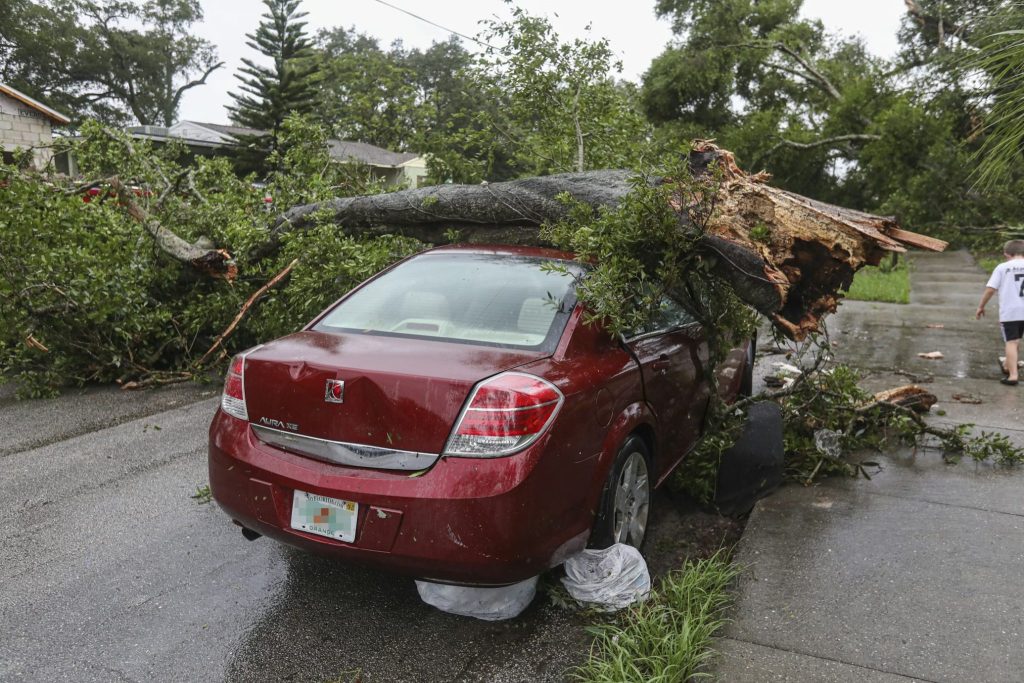
A damaged tree can become dangerous faster than many people expect, especially in storm-prone, high-density suburbs where trees sit close to homes, cars, pavements, and power lines. The safest approach is early identification, followed by an assessment of trees for health and risk before any tree removal Sydney decision is made.
What Are the Signs a Tree Is Dangerous or Structurally Unstable?
Early warning signs matter because many owners only call after visible failure, such as a dropped limb or a sudden lean. In Sydney, quick checks after storms, heatwaves, or nearby building works can prevent avoidable incidents and emergency tree removal Sydney callouts.
High-risk visual cues include:
- Large cracks in the trunk or major limbs
- Fresh splits after storms
- Hollow cavities and visible decay
- Fungal brackets at the base
- Dead or drying canopy sections
- Sudden leaf drop outside seasonal change
- A lean that has recently changed
- Soil heaving or lifting around the base
- Exposed or decaying roots
- Hanging branches over targets
Professionals look at both “health + risk”: overall tree condition, likelihood of failure, and the target impact area. Local tree removal teams may also document risk factors for council or insurer files, which can streamline a tree removal Sydney job if action is required.
How can trunk, canopy, and root symptoms indicate failure risk?
Trunk symptoms often point to structural weakness and a higher chance of breakage. Vertical cracks, seam separations, included bark unions, cavities or hollows, sap oozing, and termite activity can all raise failure probability, particularly in high winds.
Canopy symptoms help show stress and imbalance. Deadwood clusters, a one-sided canopy (often linked to root loss), sudden limb drop risk, and heavy over-extended branches can indicate the tree is no longer supporting itself evenly.
Root and ground symptoms can be urgent. Root plate lifting, soft or mushy soil, severed roots from excavation, and girdling roots reduce anchorage and often justify a prompt tree removal Sydney evaluation. A professional assessment of trees for health and risk reduces guesswork and helps plan safe next steps.
What damage after storms or construction work is most concerning?
After storms, the most concerning red flags are a newly leaning tree, split crotches, a partially uprooted base, and dangling limbs above driveways, roofs, or power lines. Even if the tree is still standing, hidden cracking can worsen with the next gust.
After construction, trenching near the tree, driveway or extension works that cut roots, soil grade changes, and a compacted root zone can destabilise the tree months later. When trees are compromised and near assets, planning a safe tree-cutting/removal process becomes critical, and tree removal Sydney work may need careful rigging and access control.
What Risks Can a Damaged Tree Pose to Property and People?
A damaged tree becomes risky when there are “targets” below or beside it, including homes, cars, fences, sheds, footpaths, neighbours’ properties, and public spaces. Risk increases when the tree overhangs areas people use every day.
The main safety risks are falling limbs, full tree failure, and DIY accidents involving ladders or chainsaws. Hiring insured professionals matters because they manage hazards, set exclusion zones, and use the correct equipment during tree removal Sydney works.
Sydney tree prevention laws require permits or approval from the local council for tree lopping services and some removals, so checking local rules before work begins is essential. Credentialed, insured providers also help with documentation and compliance when arranging tree removal Sydney, and post-removal inspections and recommendations support ongoing risk management.
How can a hazardous tree create legal and insurance complications?
Owners have a duty of care, and they may be held responsible if they knew, or should have known, a tree was unsafe and it caused damage. That is why dated photos, assessment notes, and written quotes can matter later.
Permits are another pressure point: Sydney tree prevention laws require permits or approval from the local council for tree lopping services and some removals, and unapproved work can complicate claims. Using credentialed, insured providers helps with documentation and compliance when booking tree removal Sydney, while post-removal inspections and recommendations show reasonable follow-up.
When Should You Call a Professional for Tree Removal in Sydney?
They should call immediately if the tree is dead or dying, infected or infested, uprooted or leaning after storms, has suffered major limb failures, has been damaged by construction, or is actively threatening structures. Waiting can turn a manageable job into urgent tree removal Sydney under poor weather or unsafe access.
Tree lopping is the reduction of tree size, an advanced version of pruning for maintenance and preservation when the structure is still viable. Tree removal is complete removal from top to roots, used when the tree poses a danger or is dead, and tree removal Sydney providers will recommend the safest option based on risk.
Typical service scope can include cutting services, stump removal (stump grinding), green waste removal, mulching, and post-removal inspections. When hiring for tree removal Sydney, they should check recommendations, verify credentials (insurance and licence), value local knowledge, and request a detailed quote covering equipment, tools, gear, PPE, and environmental consciousness.
Should they choose tree lopping or full removal for a damaged tree?
They should choose tree lopping when the tree can be preserved and the risk can be reduced through correct pruning, not harmful topping. They should choose tree removal when decay is extensive, the root plate is unstable, the tree is too close to buildings, regrowth potential is poor, or ongoing maintenance costs will not control the hazard.
Safe outcomes rely on planning: a safe tree-cutting/removal process, exclusion zones, rigging, and traffic or pedestrian management where needed. A reputable tree removal Sydney provider will explain this plan before work starts.
What should they expect from a reputable Sydney tree removal company?
They should expect an end-to-end workflow: inspection and assessment of trees for health and risk, council permit support when required, safe removal or lopping, stump removal, green waste removal, a tidy-up, then a post-removal inspection with practical tree care tips.
They should also expect safety proof points, including public liability, professional indemnity, workers’ compensation, and equipment and vehicle cover, plus a written risk management plan. For example, Trees Down Under serves the Hills District and North Shore with land clearing and development services such as tree removal, stump grinding, vegetation clearing, mulching, site preparation, grading, environmental assessments, and regulatory compliance, which aligns with what many people want from tree removal Sydney support.
Can a Damaged Tree Fall Without Warning?
Yes, a damaged tree can fail with little visible warning when internal rot, hidden cavities, root decay, or sudden root plate failure are involved. This is why a professional assessment of trees for health and risk is so valuable, even when the canopy looks mostly normal.
Heavy rain and waterlogged ground reduce root anchorage, and wind gusts after storms can exploit existing weaknesses. Heat stress and drought can also weaken wood fibres, setting up failures that appear sudden and unpredictable, often leading to emergency tree removal Sydney requests.
What conditions make sudden failure more likely in Sydney?
Sudden failure is more likely after periods of heavy rain that saturate soil, followed by strong winds that load the canopy. It is also more likely after heat stress and drought, which can create brittle wood and reduce recovery.
Urban factors add pressure: restricted root zones, soil compaction, nearby excavation, and prior poor pruning or lopping practices. Proactive inspections and maintenance reduce the odds of urgent tree removal Sydney callouts and protect surrounding targets.
How Can You Prevent Damage from Hazardous Trees in Sydney?
Prevention is mainly proactive management, with routine inspections after storms and before renovation works. Catching issues early gives more options than waiting until tree removal Sydney becomes the only safe outcome.
A good maintenance approach uses correct pruning, not harmful topping, and uses tree lopping Sydney only when it genuinely supports preservation. They should document the assessment, agreed scope, and any permit steps to reduce disputes and improve follow-through.
How can they choose the right local team before problems escalate?
They should use a selection checklist focused on local knowledge, reviews, licences, insurance, and a written risk management approach. Quotes should be transparent and include equipment, PPE, access method, and waste handling, not just a single price line.
They should also ask what is included, such as stump removal, green waste removal, mulching, post-removal inspections, and ongoing tree care tips. Clear documentation from the start makes tree removal Sydney decisions easier, safer, and more defensible.If a tree shows any red flags, they should arrange an assessment now, not after the next storm, and book qualified help to manage the risk before it becomes an emergency.
What Do Tree Pruning Services Actually Include?
You Make Also Like:
- When is the Best Time to Prune Trees?
- Tree Pruning for Bushfire Prevention: Reduce Fire Hazards with Proper Maintenance
- Tree Pruning Sydney: A Year-Round Timeline for Maximising Healthy Growth
If you have ever searched for tree pruning near me and received wildly different quotes and descriptions, you are not alone. Tree pruning services can mean anything from removing a few dead branches to a structured, multi-stage plan that keeps a tree safe, healthy, and compliant with local regulations.
This guide breaks down what professional tree pruning services typically include, how arborists choose what to cut, and what you should confirm in your quote — especially if you are in Sydney where council requirements can shape the scope of work. Understanding exactly what is included before you book helps you compare quotes accurately and avoid paying for work that wasn’t agreed upfront.
What Types of Tree Pruning Services Do Arborists Offer?
A tree pruning service usually means selective cutting for health, safety, structure, and appearance — not simply “cutting it back.” The aim is to remove the right branches, using correct cuts, so the tree can recover well and remain stable. The scope varies significantly between providers, so knowing what each type involves helps you ask the right questions from the start.
What Is the Difference Between Pruning, Trimming, Lopping, and Removal?
These terms get used interchangeably, but they are not the same, and the service scope changes with each one.
- Tree pruning is targeted removal to improve health, structure, clearance, and risk
- Tree trimming often refers to light, aesthetic shaping or routine maintenance, usually on smaller growth
- Lopping is size reduction using heavier cuts — done poorly it can stress trees, but in professional hands it may be used for maintenance and preservation where appropriate and permitted
- Tree removal is complete removal from top to roots, often followed by stump grinding, and is used when the tree is dead, dangerous, or beyond saving
If a contractor suggests major lopping without explaining long-term impacts, regrowth, and council rules, ask more questions before approving the work.
What Are the Most Common Pruning Jobs?
Most arborists offer a mix of the following, tailored to the tree and site:
- Deadwooding: removing dead, dying, and broken branches to reduce the risk of falling limbs
- Crown cleaning: removing deadwood plus weak, rubbing, or poorly attached limbs
- Crown thinning: reducing density to improve airflow and light penetration while keeping the natural shape
- Crown reduction: reducing height or spread carefully to manage size or wind loading
- Crown lifting: raising the canopy for clearance over driveways, paths, roofs, fences, or sightlines
- Structural pruning (formative pruning): guiding young trees to build a strong framework and prevent future defects
- Clearance pruning: keeping branches away from buildings, cables, roads, and neighbouring boundaries
A good tree pruning service is specific about the “why” behind each cut, not just the final look.
Do Arborists Prune for Pests and Disease?
Yes. Targeted tree pruning is commonly used to remove infected or infested parts, reduce spread, and improve the tree’s overall vigour. Professionals will also advise on containment and disposal, since some diseases and pests require green waste to be handled carefully rather than mulched and reused on site.
Why Do Local Results Vary So Much for Tree Pruning Near Me or Tree Pruning Sydney?
Because local arborists tailor their approach to species behaviour, seasonal growth patterns, and site constraints — including power lines, neighbours, access, and council controls. In Sydney, local council rules can also affect what can be cut, how much canopy can be removed, and whether approvals are needed before tree pruning services begin.
If you need broader work alongside pruning, such as vegetation clearing or site preparation, a full-service operator may bundle tree pruning services into a wider tree care or land clearing scope where appropriate.
How Do Professionals Decide Which Branches to Prune?
Professionals decide what to prune before any cutting starts, based on tree health, risk, goals, and constraints. The actual tree pruning is the final step in a process that begins with inspection, prioritisation, and planning.
What Do Arborists Look for During a Tree Assessment?
A typical assessment checks for visible defects, stress, and failure risk, including:
- Dead or drying limbs
- Decay, cavities, and soft spots
- Cracks, splits, and weak unions
- Fungal growth, including fruiting bodies at the base or on limbs
- Insect damage and borer signs
- Poor vigour, sparse canopy, or abnormal leaf size and colour
- Crossing or rubbing branches that create wounds
- Previous poor cuts that have triggered weak regrowth
They also look beyond the tree: targets below such as people, cars, and roofs, exposure to wind, soil conditions, and access for safe climbing or machinery.
How Do Professionals Choose the Right Cuts?
Good tree pruning is less about removing lots of wood and more about making correct cuts in correct places. Arborists typically:
- Cut at the branch collar to help the tree seal the wound
- Avoid leaving long stubs that die back and invite decay
- Avoid stripping the canopy, which can trigger stress regrowth and sunscald
- Limit how much canopy is removed in one visit to reduce shock — the safe percentage varies by species, age, and condition
If significant reduction is needed, a staged approach is often safer than a single aggressive cut.
Why Does DIY Pruning Often Go Wrong?
DIY often fails for four reasons: biology, balance, safety, and compliance. People commonly over-prune, make flush cuts, or thin in ways that unbalance the canopy and increase wind loading. There is also the ladder risk, especially when branches are heavy, high, or unpredictable under tension.
In Sydney, there is an added issue: tree trimming that crosses into lopping, or looks like unauthorised removal, can attract complaints or council action. When you hire tree pruning services near me, local arborist knowledge can reduce these mistakes because they understand typical species responses and council expectations.
When Is the Best Time of Year for Tree Pruning Services?
The best time depends on the tree species, the pruning goal, and local conditions — so there is no single perfect month. Timing is a tool: it affects growth response, stress, and how well the tree compartmentalises wounds. Booking tree pruning services at the right point in the season can make a meaningful difference to how well the tree responds.
What Timing Factors Matter Most?
Arborists usually schedule tree pruning based on:
- Whether the tree is actively growing or dormant, which varies by species
- Whether flowering or fruiting is a priority
- Pest and disease cycles in your area
- Weather patterns and storm risk
- The need for access, since wet ground can limit machinery
If your aim is clearance and safety, timing is often flexible. If your aim is health correction or shaping, timing may be more specific to the species.
When Does Storm Damage Change the Rules?
Storm and safety-driven tree pruning is different: urgent hazards get dealt with when needed. If you have broken limbs, hanging branches, or a sudden split, the priority is removing immediate risk and making the tree safe — even if it is not the ideal season for elective work.
Are There Sydney-Specific Scheduling Issues?
Yes. Demand for tree pruning Sydney-wide often spikes after storms, and council approval timelines can affect scheduling where permits are required. If your property is likely to need approvals, factor in time for assessment, documentation, and booking the job — rather than waiting until a branch fails or a neighbour complains.
How Can You Reduce the Need for Drastic Pruning Later?
Plan tree pruning services alongside periodic inspections. Small, regular corrections are usually healthier, cheaper, and less visually jarring than major cuts every few years. Inspections also catch early decay and structural issues before they become emergencies.
How Do Tree Pruning Services Improve Tree Health and Safety?
Good tree pruning services reduce failure risk and help trees stay healthier for longer. This is one of the few interventions that can improve both the tree’s structure and the safety of the area around it — when carried out correctly by a qualified professional.
What Safety Benefits Do You Actually Get?
Professional tree pruning services can reduce common hazards by:
- Removing dead, cracked, and hanging branches
- Reducing weight on weak unions and heavy lateral limbs
- Improving clearance over roofs, driveways, and pedestrian areas
- Managing canopy balance to reduce wind-related failure
- Identifying hidden issues during climbing or close inspection
There is also a practical compliance benefit: working with qualified professionals helps avoid illegal lopping or removal that could trigger council action or neighbour disputes.
How Does Pruning Support Tree Health?
Health gains typically come from reducing ongoing wounds and stress points. Removing rubbing branches prevents repeated bark damage, while selective thinning can improve airflow and light, helping foliage dry faster after rain. Correct cuts also reduce the risk of decay compared with torn limbs or poor DIY stubs.
Many arborists providing tree pruning Sydney services will include simple aftercare guidance — such as monitoring regrowth, watering advice during hot periods, and warning signs that warrant a follow-up inspection.
When Is Pruning No Longer Enough?
Tree pruning has limits. If a tree is dead, severely infected, uprooted, or structurally compromised, a responsible provider should explain clearly why further pruning will not solve the underlying risk, and outline removal options rather than defaulting to heavy cuts that leave the hazard in place.
Do Tree Pruning Services Include Clean-Up and Waste Removal?
Most professional pruning jobs include clean-up, but the exact scope depends on the quote — so confirm it in writing. The difference between a basic tidy and full waste removal can be a meaningful cost and time factor, and it is one of the most common sources of confusion when comparing tree pruning services near me results.
What Clean-Up Is Typically Included?
Common inclusions in a professional tree pruning service are:
- Cutting and stacking branches into manageable piles
- Chipping and mulching green waste, either left on site or removed
- Loading and removing debris
- Raking and blowing leaves and small twigs from lawns, paths, and driveways
- Basic site reset so the area is safe to use again
If access is difficult — rear gardens, steep blocks, narrow side gates — waste handling may be priced differently, so ask about this upfront.
What Should Happen at the End of the Job?
A good tree pruning service normally finishes with a short wrap-up, including:
- A quick walk-through of what was pruned and why
- Notes on any risk flags spotted during the work, such as decay, cracks, or pests
- Recommendations for a future pruning cycle or inspection interval
This is also the moment to confirm whether mulch is staying on site, and where it will be placed.
What Should You Ask to Avoid Surprises in a Quote?
Ask for an itemised quote that lists labour, equipment, safety controls including PPE and traffic or pedestrian management where relevant, and waste removal. If approvals might be needed, clarify who is handling council paperwork and what is included in the fee.
When comparing tree pruning near me quotes, look for providers who can explain their method, not just their price. If you want a bundled full-service approach, some local operators — such as Trees Down Under in the Hills District and North Shore — can combine tree trimming and pruning with vegetation clearing, mulching, or site preparation where needed, backed by appropriate insurance coverage and a clear risk management plan.
Is Emergency Tree Removal in Sydney Covered by Insurance?
Sometimes the answer is yes — but only when the emergency tree removal Sydney insurers assess is linked to a covered event and the insurer agrees the work was necessary. In Sydney, the most common situation is storm damage that causes a tree or large limb to fall and create damage or an immediate safety risk.
The key is understanding what your policy treats as an insured event, what it classifies as maintenance, and what evidence you need to support an urgent emergency tree removal Sydney call-out.
What Types of Storm Damage Does Insurance Cover for Emergency Tree Removal in Sydney?
Many home and contents policies can contribute to emergency tree removal Sydney homeowners arrange after a storm, but usually only after an “insured event” such as storm, wind, lightning, or impact. In practice, cover is most likely when a sudden event causes the tree or limb to fall and it either damages insured property or creates an immediate hazard that must be made safe.
What Counts as an Insured Trigger Event?
Typically, insurers look for a clear cause — severe wind, a storm cell, or lightning — that directly led to the failure. If the tree fell during the event window and there is visible damage or a safety risk, you are closer to meeting the definition of an insured incident.
What Situations Are Commonly Covered?
Coverage often applies when a fallen tree or limb:
- Lands on your home, garage, fence, carport, or other insured structures
- Breaks roof tiles, gutters, windows, or causes internal water entry
- Blocks the only safe access point, driveway, or an essential exit route
- Creates an immediate risk, such as a hung-up limb over a bedroom, footpath, or vehicle
Even then, some policies focus on paying for repairs to the damaged building and only include limited “debris removal” benefits for tree work.
What Limits and Approvals Should You Expect?
Many insurers apply caps or sub-limits for debris removal and tree cutting, especially if there is no building damage. Some also require approval before non-urgent work starts, so it’s worth checking your Product Disclosure Statement (PDS) and calling the claims line as early as possible.
Understanding these limits matters particularly when tree removal cost Sydney quotes come back higher than expected — insurers may only offset part of the total, and knowing your sub-limits upfront prevents surprises.
Why Does the Removal Method Matter in Sydney?
Storm-damaged trees often involve power lines, tight access, nearby roofs, and traffic management. Safe emergency tree removal Sydney operators carry out can require rigging, staged dismantling, and careful drop zones, which is why insurers usually prefer qualified operators. Emergency call-outs can also raise the overall tree removal Sydney cost, and insurance may only offset that expense if the scenario fits the policy wording.
When Will Insurance Not Cover Emergency Tree Removal in Sydney?
Insurance often will not pay when the work is classed as maintenance rather than the result of an insured event. If the tree has not caused insured damage and there is no covered trigger, you may be responsible for the full cost — which makes understanding Sydney tree removal pricing important before you commit to any scope.
Is Preventative Removal Usually Excluded?
Yes, most policies won’t cover removal because a tree is leaning, overgrown, or looks risky if it has not failed due to an insured event. Preventative removal is usually treated as property upkeep, even if the risk feels urgent to you.
What if the Tree Was Already Dead or Unhealthy?
If an insurer believes the tree was dead, drying, diseased, termite-affected, or structurally compromised before the storm, they may decline the claim. The argument is often that the loss was caused by a pre-existing issue rather than a sudden insured event — which is why regular health and risk assessments matter for any property with large established trees.
Do Council Rules Affect Insurance Outcomes?
Sydney tree preservation laws can require council approval to remove or heavily lop certain trees, especially if they meet size or species thresholds. Insurance does not override local council rules, and unauthorised removal can create compliance problems that complicate a claim later. If you are unsure, ask your arborist and check your local council’s requirements before scheduling any non-urgent work.
If It’s Not Covered, What Drives the Out-of-Pocket Cost?
If you’re paying privately, tree removal Sydney cost commonly depends on:
- Height, trunk diameter, and canopy spread
- Access — narrow driveways, rear gardens, steep plots
- Proximity to structures, neighbours, and powerlines
- Whether a crane, elevated work platform, or complex rigging is needed
- After-hours emergency call-out rates
- Stump grinding, green waste removal, and site clean-up
Should You Ever DIY an Emergency Removal?
No. Even if insurance won’t pay, emergency tree removal Sydney situations involve unstable trunks, hidden tension in limbs, and unpredictable movement as cuts are made. This is where injuries and property damage happen fast, so a planned professional approach is always the safer option.
What Should You Do After a Tree Falls on Your Property?
Treat it as a live hazard first, then think about clean-up and insurance. Your priority is preventing injuries and stopping further damage — and getting qualified emergency tree removal Sydney crews on site as soon as the scene is safe to assess.
What’s the Immediate Safety Checklist?
Start with simple controls:
- Keep people and pets well away from the tree and any hanging limbs
- Watch for suspended branches, cracked unions, and shifting root plates
- Avoid moving large limbs that may be supporting other sections
- If the tree is on a roof, do not climb up or cut from the roof edge
If water is entering the home, only take safe temporary steps such as placing buckets or tarps — and avoid working under unstable branches.
What if There Are Power Lines Involved?
Do not approach. Treat any nearby or tangled lines as live and dangerous. Call your electricity distributor or emergency services, and wait for clearance. Tree removal near lines requires trained crews, exclusion zones, and specific safety planning — this is not a situation where sydney tree removal without specialist credentials is appropriate.
Who Should Assess the Tree and Plan the Work?
A qualified arborist or experienced emergency tree removal Sydney company can assess stability and risk, then plan a safe cutting method. In storm damage jobs, this commonly means rigging and staged dismantling rather than dropping large sections in one go.
What Work Might You Actually Need?
Depending on the damage and risk, the scope of tree removal services Sydney providers offer can include:
- Emergency “make-safe” cuts to remove immediate hazards
- Full tree removal from top to roots when the tree is unsafe or dead
- Stump removal or stump grinding to eliminate trip hazards and regrowth
- Green waste removal and mulching
- Post-removal inspection and practical tree-care recommendations for remaining trees
How Long Does It Usually Take?
Many jobs are done in two phases: immediate triage first to make the site safe, then full clean-up later. The second stage may depend on insurer approval, access to equipment, and council requirements where permits apply.
How Do You File an Insurance Claim for Emergency Tree Removal in Sydney?
You’ll get faster outcomes by treating your claim like a documented incident report. Collect key details early and keep everything itemised — particularly anything that clarifies why emergency tree removal Sydney conditions made immediate action unavoidable.
What Information Should You Gather First?
Have these ready:
- Policy number and property address
- Date and time of the event, or best estimate
- What happened — storm winds, lightning strike, sudden limb failure
- What the tree hit or blocked, and what was damaged
- Safety steps you took to reduce further loss
What Evidence Helps Most?
Aim for a clear evidence package:
- Photos and videos from multiple angles before any cutting begins
- Close-ups of damage points — roof, gutters, fences, vehicles
- Wider shots showing the tree position and access blockage
- Any SES, council, or strata notices if applicable
- An arborist assessment or short hazard report where possible
- Itemised quotes and invoices from tree removal services Sydney operators, separated into “make-safe” and “full removal/clean-up”
What Happens After You Lodge the Claim?
The insurer may send an assessor, request additional photos, or ask for quotes from preferred suppliers. Claims can move faster when you clearly explain why urgent work was required for safety, access, or to prevent further property damage.
Can You Act First and Claim Later?
Sometimes you must act immediately to prevent injury or further loss, especially when there is a hanging limb or blocked exit. If you do, keep receipts, take plenty of pre-work photos, and try to get written confirmation from the insurer as soon as possible. Also confirm your excess and any debris-removal sub-limits — tree removal cost Sydney quotes for emergency jobs can be significantly higher than standard work, and partial reimbursement is common.
What Should You Do After the Job Is Complete?
Keep post-removal photos and any inspection notes. Recommendations such as a risk assessment of remaining trees, selective pruning, or ongoing maintenance can help reduce repeat incidents and show the insurer you are managing known risks responsibly.
Can Emergency Tree Removal Companies Help With Insurance Claims?
Yes, a good operator can make the claims process easier by matching the job scope to what insurers expect. They can also help you avoid unsafe or non-compliant decisions under pressure. When you’re facing emergency tree removal Sydney conditions — damaged structures, hanging limbs, blocked access — having a professional who understands both the safety and the claims process is a genuine advantage.
What Can a Professional Company Provide for Your Claim?
Look for a provider who can supply:
- Hazard assessment notes and clear before-and-after photos
- An itemised scope of works separating “make-safe” from full removal
- Detailed invoices listing labour, equipment, traffic control, waste removal, and stump grinding if included
- Practical guidance on what can be staged if the insurer needs approval for non-urgent work
Why Does Safety Planning Matter Even if You’re Insured?
Insurance does not reduce the physical risk on the day. Professionals use PPE, rigging systems, controlled lowering, and a site-specific plan — which is particularly important with storm-loaded limbs and unstable trunks.
What Does a Local Sydney Operator Typically Handle?
A local example is Trees Down Under, serving areas like the Hills District and North Shore, with services including emergency tree removal, stump grinding, vegetation clearing, mulching, and site preparation. Providers with a regulatory compliance focus can also help you navigate council requirements, which reduces the chance of avoidable problems if a claim is scrutinised later.
How Should You Think About Emergency Pricing?
Emergency call-out pricing varies, and a reputable provider should explain what drives tree removal Sydney cost and what work can reasonably be deferred. Often the best approach is to pay for an immediate make-safe visit, then schedule the remaining removal and clean-up once you have insurer guidance and any required approvals in place.
Ultimately, emergency tree removal cover depends on the cause, the damage or hazard created, and your exact policy wording. Your fastest path to resolution is to make the site safe, document everything clearly, and use a compliant professional emergency tree removal Sydney team with the credentials and insurance to back it up.


