
Month: June 2026
4 Types of Pruning Cuts: Why the 25%–33% Rule Matters
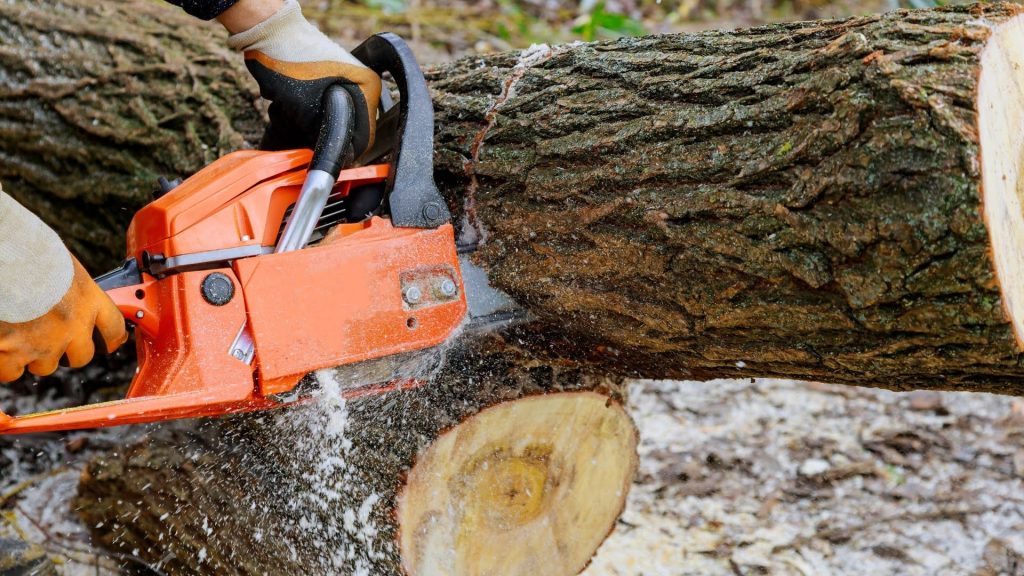
You May Also Like:
- What Are the Benefits of Regular Tree Pruning in Sydney?
- What Do Tree Pruning Services Actually Include?
- Is Now the Right Time for Tree Pruning in Sydney?
What Are the 4 Main Pruning Cuts Used on Trees?
The wrong cut can trigger decay, weak regrowth, or safety and legal problems, which is why many homeowners only start searching for tree pruning near me after a storm or a neighbour’s complaint. When done properly, tree pruning supports structure and health, while poor cutting can create hazards that later require urgent call-outs from a tree-pruning service.
Tree pruning is targeted work to improve health, safety, or structure. Tree lopping is broader size reduction for maintenance and preservation, and needs care to avoid stress. Tree removal is the full top-to-roots solution when a tree is dead, dangerous, or unsuitable for the site. In most cases, tree pruning services are recommended over DIY when the canopy is large, access is difficult, or the risk is unclear.
The four main tree cut types are:
- Cleaning cuts
- Thinning cuts
- Reduction cuts
- Raising cuts
1) Cleaning cuts (removing dead, diseased, damaged wood)
Cleaning cuts remove dead, diseased, or damaged branches to reduce risk and improve overall tree health. They are commonly needed after wind damage, visible dieback, or when limbs overhang high-use areas, which is often when people search for tree pruning near me for quick help.
A reputable provider will assess the canopy first since damaged limbs can fail without warning. That assessment of trees for health and risk guides what to remove now versus what to monitor.
Cleaning cuts typically include:
- Deadwood removal over paths, driveways, and play areas
- Cutting back split or cracked limbs after storms
- Removing rubbing branches that are wounding each other
2) Thinning cuts (selective removal to improve light and airflow)
Thinning cuts reduce weight and wind resistance without stripping the tree’s natural shape. “Selective” means removing specific problem branches, not giving the canopy a uniform haircut that can destabilise it and lead to frantic searches for tree pruning near me again in the next blow.
Thinning is easy to overdo, and it directly relates to the 25%–33% rule because excessive interior removal can shock the tree. The aim is better airflow and light penetration, not an empty canopy.
Thinning usually targets:
- Crossing or rubbing branches
- Crowded interior growth
- Weakly attached shoots competing for space
3) Reduction cuts (shortening a limb back to a lateral branch)
Reduction cuts manage size while preserving natural form by shortening a limb back to a suitable lateral. They are often the standards-based alternative to harsh topping, and a common reason people look for tree pruning near me when clearance becomes urgent near roofs or power lines.
Reduction differs from tree lopping because it is precise and selects one branch at a time. Tree lopping services can be appropriate for preservation, but only when the scope is carefully planned to avoid stress, sunburn on newly exposed limbs, and fast, weak regrowth. In dense suburbs, insured professionals are best placed to plan rigging and traffic or property protection.
Reduction work often includes:
- Roof, gutter, and boundary clearance
- Power line proximity management (with the right approvals and coordination)
- Restoring balance after storm damage
4) Raising cuts (removing lower branches for clearance)
Raising cuts are made to lower limbs to improve access, visibility, and clearance for vehicles, pedestrians, and structures. They are frequently requested when driveways, footpaths, or sightlines are blocked, and they can be straightforward until the weight and leverage of low limbs push the job into tree pruning near me territory.
Removing too many lower branches at once can unbalance the tree and increase the risk of failure, especially if the canopy becomes top-heavy. Professionals stage the work and can coordinate green waste removal to keep the site safe and tidy.
Raising cuts are used for:
- Driveway and street clearance
- Improving sightlines near corners and entrances
- Reducing branch contact with sheds, fences, and windows
Why Should You Avoid Removing More Than 25%–33% of Live Foliage?
The 25%–33% rule exists to prevent shock, meaning a single pruning session should not remove more than about one-quarter to one-third of live canopy. When too much foliage is removed at once, trees lose photosynthetic capacity and may respond with stress, which later prompts another search for “tree pruning near me” to “fix” the mess.
Over-pruning can lead to energy depletion, sunscald on exposed bark, increased susceptibility to pests and diseases, and a flush of weak epicormic shoots. For small properties, staged pruning across seasons is safer than one aggressive cut.
Key impacts of ignoring the rule:
- Faster, messier regrowth that breaks easily
- More frequent maintenance and higher long-term risk
- Higher tree pruning cost over time due to repeat work and emergency callouts
How Far From the Branch Collar Should a Pruning Cut Be Made?
A pruning cut should be made just outside the branch collar, the swollen area where branch tissue meets the trunk or parent limb. The branch collar contains tissues that help the tree compartmentalise wounds, which is a core reason experienced tree-pruning services are worth calling when precision matters and homeowners are tempted to search for tree-pruning near me for quick labour.
Flush cuts remove the collar and open the door to decay, while leaving a stub causes dieback, inviting fungi and pests. For heavier limbs, a three-cut method helps prevent bark tearing and larger wounds.
Good cutting practice includes:
- Cutting outside the branch collar, not into it
- Avoiding long stubs that will die back
- Using the three-cut method on heavy limbs to prevent tearing
When Should You Search for Tree Pruning Near Me Instead of Cutting Yourself?
Tree pruning near me is the safer option when height, heavy limbs, disease symptoms, or property risk factors are present. It is also the right move when power lines are involved, when a tree is unstable, or when the work needs rigging, traffic control, or a formal risk management plan.
Tree pruning Sydney work can involve local rules, and Sydney tree prevention laws may require permits or council approval for tree lopping services, and sometimes for significant pruning or removals. A tree company can assess whether the best recommendation is to prune, lop, or proceed to tree removal, especially for dead, drying, infected, uprooted, or storm-damaged trees, or pruning tied to construction.
A practical decision checklist is:
- Is the work above head height or near structures, roofs, or power lines?
- Are there signs of disease, dieback, splits, or instability?
- Is the request driven by development, land clearing, or compliance needs?
Hiring steps that reduce risk:
- Ask neighbours for recommendations and read local reviews for tree pruning near me
- Verify licence and insurance, including public liability and workers’ compensation
- Request a written scope, gear and PPE list, and waste plan, including green waste removal
- Check environmental practices such as mulching and tidy site management
For example, Trees Down Under supports the Hills District and North Shore with land clearing and development services, including stump grinding, vegetation clearing, mulching, site preparation, grading, environmental assessments, and regulatory compliance.
How Can the Right Pruning Cut Reduce Tree Stress and Regrowth Problems?
Correct cut type, correct placement, and staying within the 25%–33% canopy limit reduce stress and help trees form a stronger structure. That combination lowers the chance of weak shoots, decay pockets, and repeat call-outs that begin with another search for tree pruning near me.
Reduction cuts back to laterals discourage weak regrowth, thinning lowers sail effect in wind, and staged raising preserves balance. The property outcomes are simple: healthier trees, fewer hazards, better curb appeal and property value, less owner time and effort, and reduced legal exposure from unsafe or unauthorised work.
A simple next step is:
- Book an assessment with a local, insured tree pruning service, especially if they are already searching for tree pruning near me and are unsure what cut the tree actually needs.
Green Waste Disposal Sydney Update: Why 3,000 Households Are Testing Organic Waste Collection
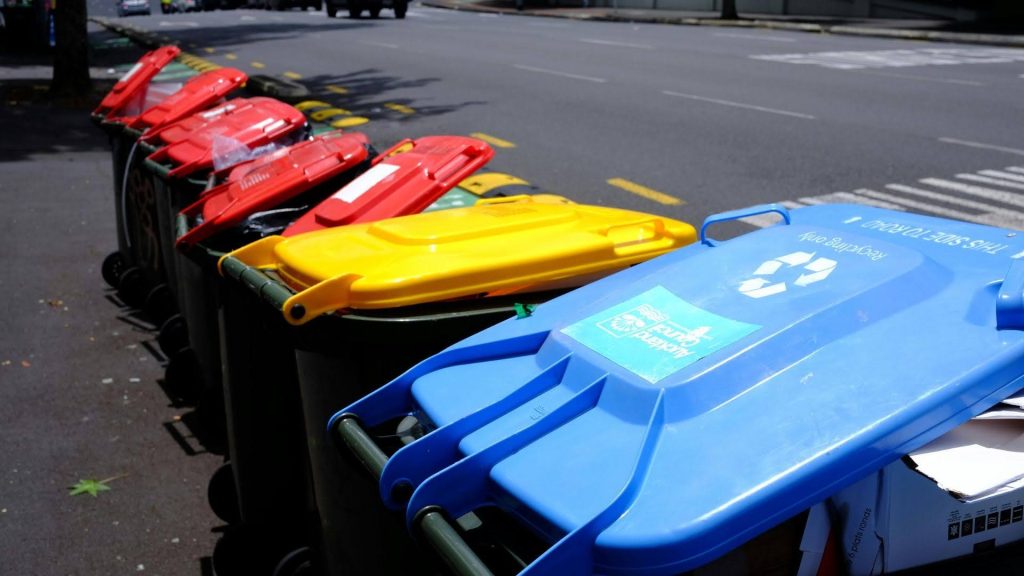
You May Also Like:
- Green Waste Removal Sydney: What to Do If Council Bins Are Not Enough
- The Top 5 Benefits of Regular Green Waste Removal for Long-Term Property Care
- Green Waste Removal Sydney vs Council Bins: What’s the Difference?
What Does the Northern Beaches Bin Trial Show About Garden Waste?
The Northern Beaches Council is expanding organic collection with burgundy bins, and 3,000 households are now testing what cleaner organics could look like across Sydney. The trial matters because it measures real-world behaviour, not just good intentions.
Councils are watching contamination, participation, collection logistics, and processing capacity for organics. It also shows how quickly tree work can create bulk piles, making garden waste removal a practical need after pruning, tree lopping, or full tree removal.
Sydney tree prevention laws can require permits or approval from the local council for tree lopping services, so disposal planning should be part of the job, not an afterthought. Many residents rely on a tree removal company that bundles cutting services, stump removal, green waste removal, and post-removal inspections.
- The trial tests bin habits, not just bin availability
- Big vegetation loads often exceed what kerbside services can handle, prompting garden waste removal
- Permit checks and regulatory compliance reduce the risk of legal action
- Tree removal and tree lopping both create disposal pressure fast
Why Is Separating Food Scraps and Garden Waste Better for Recycling?
Separating organics reduces contamination and improves the quality of compost and mulch outputs. When residents get it right, processors spend less time filtering rubbish and more time producing usable soil products.
Mixed bins fail when plastics, bagged waste, or non-organic rubbish ruin entire loads, increasing processing costs. For homeowners, small loads suit council services, but hedge reductions, storm-fallen limbs, or construction clear-outs are often better handled through garden waste removal.
Reputable crews mirror this professional approach by assessing trees for health and risk, planning a safe tree-cutting or removal process, managing PPE, and leaving sites clean. Hiring professional tree services in Sydney can also save time and effort, support environmental responsibility, and reduce the risk of legal action.
- Cleaner organics streams create better compost and mulch
- Contaminated loads cost more and can be rejected
- Small weekly volumes suit kerbside systems, while garden waste removal suits peak volumes
- Verify credentials, such as insurance and licence details, before booking any contractor
How Can Garden Waste Be Turned Into Compost or Mulch?
Collected garden material is typically sent to council organic facilities or commercial processors, where it is turned into compost, soil conditioners, and mulch. Sydney’s organic push increases supply for products used in local gardens and parks.
Soft materials like grass and leaves break down quickly, while branches often need to be chipped because size matters for airflow and even composting. The basic chain is straightforward: collection, weighing and inspection, shredding, composting windrows, curing, and then distribution.
For flats or small gardens, garden waste removal becomes the enabler when there is no space or equipment for DIY composting. Residents searching for green waste removal near me may also find operators that offer mulching, vegetation clearing, and site preparation or grading to keep projects moving.
- Grass and leaves compost easily; branches often need chipping
- Typical steps: collection → inspection → shredding → windrows → curing → reuse
- Garden waste removal helps when storage space is limited
- Some operators add mulching and land clearing/development services
Why Is Garden Waste Removal Better Than Sending Waste to Landfill?
Landfill is the worst destination for organics because it generates methane and wastes reusable nutrients. Processing organics into compost or mulch returns carbon and nutrients to soils instead.
Local rules matter here, too. Council permits for significant tree works protect the canopy and support lawful disposal routes, particularly when residents need to hire tree removal company teams for dead, drying, infected, uprooted, or damaged trees, or for construction and aesthetic requirements.
Bundling cutting, stump grinding, vegetation clearing, and post-removal cleanup reduces disruption compared with multiple landfill runs. In simple terms, it is multiple car trips to landfill versus one booked green waste pick up or truck load via garden waste removal.
- Landfill creates methane and loses soil value
- Composting and mulching put nutrients back into circulation
- Bundled services reduce trips, mess, and delays
- Heavy loads are often quicker to manage through one booked collection than repeated self-hauling
How Can Garden Waste Removal Support a Cleaner Local Environment?
Cleaner organic streams mean cleaner suburbs, fewer overflowing bins, and better processing outcomes, which is exactly what the Northern Beaches trial is trying to prove. When residents and contractors separate correctly, local streets benefit quickly.
At street level, good systems reduce illegal dumping, pests, odours, and leftover debris after pruning or landscaping work. Households, councils, and local processors all benefit when organics are properly separated and collected, especially during seasonal peaks.
If the trial performs well, more households may get organic services, while on-demand garden waste removal remains essential for urgent clean-ups and large volumes. Residents comparing green waste removal cost, green waste rubbish removal, or green waste pickup should look beyond price and choose providers with local knowledge, environmental assessments, regulatory compliance, and a risk management plan.
For best results, research recommendations, request quotes or estimations for services, equipment, tools, and gear, and choose reputable teams such as Trees Down Under, which prioritises safety with insurance coverage including public liability, professional indemnity, workers’ compensation, and equipment and vehicle protection.
- Cleaner suburbs reduce dumping and improve amenity
- Councils and processors benefit from lower contamination
- Urgent and oversized clean-ups still need reliable booked services
- Book reputable teams with environmental assessments and regulatory compliance, then act now to keep green waste out of landfill
Which Tree Felling Cut Should Be Used for Eucalyptus Trees?
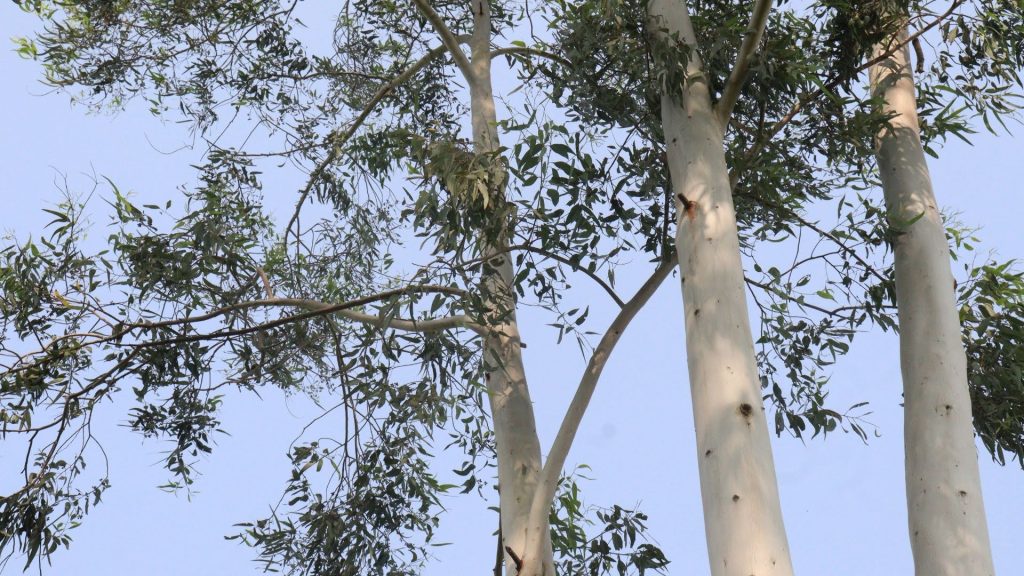
Eucalyptus felling is never just “pick a notch and go”. The right choice of cut supports control, speed, and safety, especially when tree removal must be completed cleanly and predictably on tight Sydney blocks.
What Makes Eucalyptus Trees Different to Fell?
Eucalyptus trees often demand a more conservative felling plan because they can fail suddenly and shed material without warning. The right approach to tree removal starts with understanding how the species behaves under load.
Many eucalyptus have a tall, sometimes leaning habit, heavy tops, brittle limbs and unpredictable weight distribution. Their oil-rich wood can burn readily, and shedding bark can interfere with saw work, footing and visibility.
Site conditions also shape the felling cut. Slope, wind exposure, nearby structures, fences, power lines, and access for rigging can all affect whether a single fell is realistic or whether staged dismantling is safer for tree removal.
Before any tree cutting services begin, a tree arborist should complete a pre-felling assessment. They typically check tree health, defects, hollows, deadwood, root plate stability and the likely fall zone.
They should also plan escape routes, exclusion zones and communication signals before starting a tree removal service.
- Tall crowns and heavy tops can shift weight mid-cut
- Brittle limbs and shedding bark increase falling-debris risk
- Wind, slope and nearby assets can rule out a straight fell
- Assessment should cover hollows, cracks and root plate movement
- Escape paths and exclusion zones are part of safe planning
When Is Tree Removal Safer Than Simple Pruning?
Pruning is maintenance, while tree removal is the complete removal from the top to the roots when the tree is dead, dangerous, or unsuitable for the site. The safer tree removal option is often the one that reduces the risk of ongoing failure, not the one that looks quickest today.
Tree removals are commonly justified for dead or dying trees, infections or borers, storm damage, uprooted or cracked trunks, severe lean, or a high risk of canopy failure. In these cases, delaying tree removal can raise the chance of property damage or injury.
Tree lopping vs pruning matters here. Lopping is a size-reduction, advanced maintenance approach, but poor lopping can trigger heavy regrowth and future failure. That can push the decision towards tree removal rather than repeated corrective work.
In Sydney, tree removal laws often require permits or approval from the local council for tree lopping services and, in some cases, for tree removal. They should confirm requirements before work starts to avoid disputes or penalties.
Professional services help protect tree health where possible, boost property value, save time and effort, and reduce the risk of legal action linked to unsafe trees or unapproved work.
- Pruning maintains structure; tree removal eliminates the hazard
- Dead, storm-damaged and heavily leaning trees often warrant removal
- Poor tree lopping can increase regrowth weight and later failures
- Permits may apply under Sydney tree prevention laws
- Correct decisions can protect value and reduce liability
What Types of Tree Felling Cuts Are Commonly Used?
Cut selection depends on lean, defects, the target direction, and the level of control needed for tree removal. Even common cuts can be dangerous if copied without an on-site risk assessment by a tree arborist.
Most methods rely on the same core parts. The face or notch sets direction, the back cut releases the stem, and the hinge wood provides steering. For eucalyptus, hinge control is critical because fibre can tear or behave unpredictably in compromised wood.
Wedges and pull lines add control. Wedges can counter back lean, reduce saw pinching and help hold the intended direction. Ropes, rigging, and pull lines are common when space is tight for local tree removal jobs or when added control over the fall is needed.
As a quick selection guide, they should consider the lean direction, signs of decay or hollows, drop zone size, and whether sectional dismantling is required rather than a single fell. A tree removal service may choose a standard open face notch for control, a Humboldt notch for certain landing needs, or a bore cut with a holding strap to reduce barber-chair risk in suspect stems.
- Face/notch, back cut and hinge wood are the foundations
- Wedges help overcome back lean and reduce bar pinch
- Pull lines and rigging improve control in confined spaces
- Decay and hollows may call for bore cutting and a holding strap
- If control is limited, sectional dismantling beats a single fell
Why Should Eucalyptus Tree Removal Be Handled Carefully?
Eucalyptus failures can be sudden, and improper technique increases barber-chairing, kickback and uncontrolled fall risk. That is why eucalyptus tree removal requires tighter planning and higher safety margins than for many other species.
A safer process starts with assessing trees for health and risk, then planning a safe tree-cutting and removal process. That usually includes a defined drop zone, clear escape path, a spotter, and weather checks before any cutting begins.
Compliance in Sydney matters too. Permits or approval from the local council may be required, and regulatory compliance reduces disputes and penalties for tree removals. For sites linked to construction, additional documentation may be relevant, especially when environmental responsibility is part of the scope.
Trees Down Under supports locals in the Hills District and North Shore with land-clearing and development services, including tree removal, stump grinding, vegetation clearing, mulching, site preparation, grading, environmental assessments, and regulatory compliance. In practice, that broader capability can matter when felling choices depend on access, machinery and disposal planning.
A reputable tree removal company should also prioritise insurance and risk management. Public liability, professional indemnity, workers’ compensation, and equipment and vehicle cover, backed by a risk management plan, reduce exposure when the unexpected occurs.
- Eucalyptus can barber-chair or shed limbs without warning
- Planning should include drop zones, escape routes and spotters
- Council approval may apply in Sydney, so they should check early
- Integrated services help when access, clearing and disposal interact
- Strong insurance and risk management reduce overall exposure
When Should You Call a Tree Removal Professional?
They should call a professional when dead, drying or infected trees, storm damage, cracks, root lift, heavy lean, or proximity to structures and services makes DIY unsafe. If permits are required, tree removal should not start until approval is granted.
A professional tree removal service typically provides hazard assessment by a tree arborist, a safe felling or cutting plan, sectional dismantling when needed, stump removal, green waste removal, and post-removal inspections. Those inclusions help ensure tree removal does not create a new hazard, such as an unstable stump hole, damaged fencing or unmanaged debris.
Hiring should be structured. They can research recommendations and reviews, verify credentials such as licences and insurance, prioritise local knowledge of Sydney conditions and council rules, and request itemised quotes that list services, equipment, tools, gear, PPE, and disposal.
Due diligence should also cover environmental practices, such as mulching and recycling green waste, as well as a site protection plan and traffic or pedestrian safety controls for local tree removal.
If the correct felling cut cannot be confidently chosen after an on-site assessment, they should engage a qualified tree removal company for tree-cutting services and book the removal with a documented plan. Arrange a site assessment and get a written, itemised quote before any cutting begins.
How Do I Hire a Tree Removal Company?
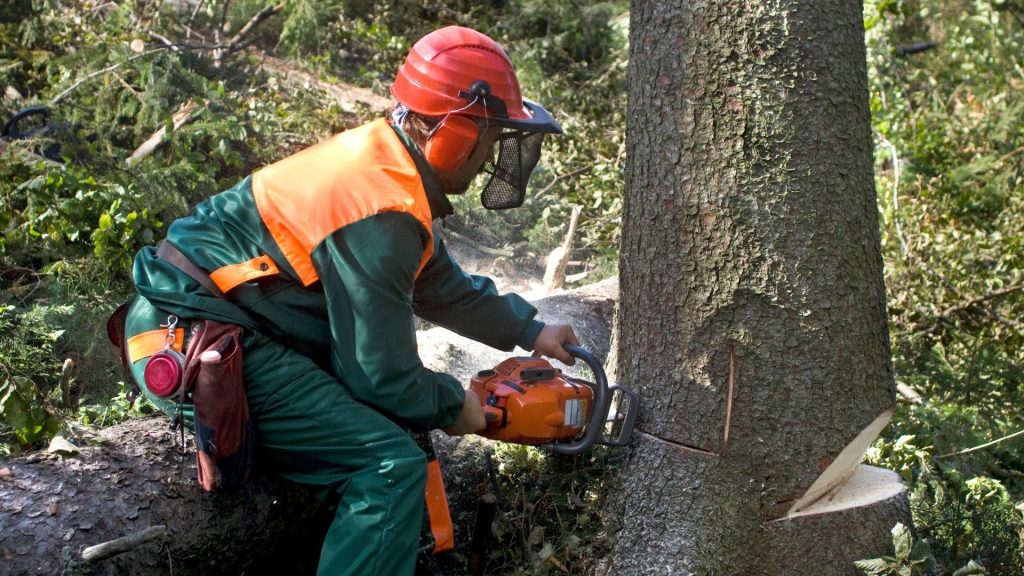
Hiring the right crew matters because the wrong choice can create safety risks, property damage, council trouble, and wasted money. This is especially true for tree lopping Sydney jobs where access, protected trees, and public safety all come into play.
What Should You Check Before Hiring a Tree Removal Company?
They should start with an on-site assessment of trees for health and risk, not a guess over the phone. A good provider will look at structure, stability, and nearby hazards such as power lines, fences, roofs, tight driveways, and access issues common across the Hills District and North Shore.
They should also explain the safest cutting sequence, including rigging, drop zones, and traffic or pedestrian control, and confirm the equipment/tools/gear/PPE they will use for tree lopping Sydney.
- Ask if they complete an assessment of trees for health and risk before quoting
- Check they plan a safe tree-cutting/removal process, including rigging and exclusion zones
- Confirm they will protect fences, roofs, gardens, and neighbouring property
- Ask how they will handle powerlines and limited access safely
- Clarify Sydney tree prevention laws require permits/approval from local council for tree lopping services, and whether they will help identify approval needs before tree lopping Sydney
- Prefer a local team if searching for tree removal near me, as local knowledge speeds up approvals and improves planning
When Is Tree Lopping Sydney Work Actually Needed?
Tree lopping is a form of size reduction and canopy management, an advanced version of pruning for maintenance and preservation. Tree removal is the complete removal from top to roots, used when a tree poses a danger or is dead, and it often includes stump grinding.
Tree lopping Sydney is commonly needed when the canopy is overgrown, clearance is required from structures, storm preparation is urgent, light needs improving, or limbs must be managed without sacrificing long-term health. Tree removal in Sydney is usually safer for dead/drying, infected/infested, uprooted/leaning, severely storm-damaged, or structurally compromised trees.
- Choose tree lopping Sydney for clearance, storm prep, light, and managed canopy reduction
- Choose tree removal Sydney when the tree is dead/drying, infected/infested, leaning, uprooted, or structurally compromised
- Consider practical drivers like construction access, aesthetic requirements, and development timelines
- Expect competent tree loppers Sydney to recommend the least-invasive option that still manages risk and compliance for tree lopping Sydney
- Ask how they will handle tree removal: complete removal from top to roots, plus stump removal if required
What Questions Should You Ask Before Booking Tree Removal?
They should answer clearly, in writing, and without pushing unnecessary work. For tree lopping Sydney and removals, the best questions uncover how they control risk, what is included in the quote, and how they handle council requirements.
Request a step-by-step method statement to avoid confusion about safety controls, property protection, and what happens after cutting ends.
- What is their step-by-step method statement, including drop zone control and public safety?
- How will they protect roofs, fences, lawns, and nearby structures during tree lopping Sydney?
- Do they handle stump removal and green waste removal, and what does “site clean” include?
- Will they help with permits/approvals under local council rules, including guidance on paperwork?
- Do they offer post-removal inspections, recommendations, and tree care tips for replanting or future maintenance?
- Can they confirm the approach for tree lopping Sydney versus full removal, and why?
How Do You Know if a Tree Removal Company Is Insured and Qualified?
They should provide evidence of a licence/qualifications where applicable and proof of current insurance before starting tree lopping Sydney work. If they hesitate, that is a red flag, especially when the job involves climbing, rigging, or working near roads or power lines.
Clients can verify by requesting certificates of currency, checking the business name matches, confirming the coverage dates and limits, and asking whether subcontractors are also covered.
- Verify public liability insurance, workers’ compensation, and professional indemnity where relevant
- Treat equipment and vehicle cover as a strong plus for complex tree lopping Sydney jobs
- Request certificates of currency and confirm dates, limits, and the exact insured entity
- Ask if all workers and subcontractors are covered under the same policies
- Check they understand council approvals, protected trees, and local compliance expectations for tree lopping Sydney
Why Should Tree Lopping Sydney Be Done by Trained Professionals?
Improper cutting can destabilise a tree, create future hazards, damage property, and lead to council penalties, so tree lopping Sydney should be done by trained professionals. A reputable tree removal company offers cutting services, stump removal, green waste removal, post-removal inspections, recommendations, and tree care tips as part of a safe, complete service.
Their workflow should be consistent: assessment → planning → safe execution → stump/waste removal → post-job inspection and advice. This is where tree lopping in Sydney is done properly, protecting people, property, and the tree itself, with preservation as the goal.
- Maintains trees’ health and supports environmental responsibility when tree lopping Sydney is chosen over removal
- Reduces risk of legal action by aligning with local rules and council expectations
- Saves time/effort through proper equipment/tools/gear/PPE and trained crews
- Protects property value by avoiding poor cuts, regrowth hazards, and preventable damage
- Ensures structured risk controls, including exclusion zones and documented planning for tree lopping Sydney
- Supports land clearing and development with clearer site preparation and safer outcomes, including services like vegetation clearing/mulching/site preparation/grading
For those needing a local option, Trees Down Under serves locals in the Hills District/North Shore with land clearing/development services (tree removal/stump grinding/vegetation clearing/mulching/site preparation/grading/environmental assessments/regulatory compliance) and prioritises safety with insurance coverage (public liability/professional indemnity/workers’ compensation/equipment and vehicle) and risk management plan.
The next step is simple: shortlist two or three providers, request an on-site assessment, and book the team that can prove safety, compliance, and a clear plan for tree lopping Sydney.
How to Clear Invasive Plant Waste Without Spreading It
You May Also Like:
- The Top 5 Benefits of Regular Green Waste Removal for Long-Term Property Care
- Green Waste Removal Sydney vs Council Bins: What’s the Difference?
- Why Is Green Waste Removal Sydney Essential Before Bushfire Season Arrives?
Why Does Invasive Plant Waste Need Careful Handling?
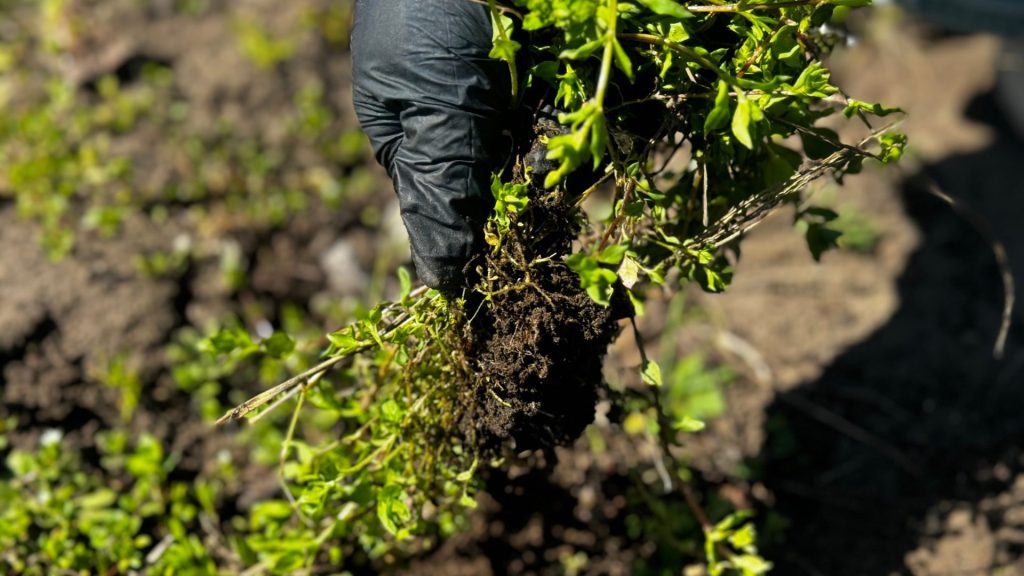
Invasive plant waste includes anything that can regrow or reseed, such as seed heads, berries, runners, bulbs, rhizomes, and even contaminated soil. It needs careful handling because tiny fragments can survive transport and quickly establish elsewhere.
Common spread pathways during clean-ups include dragging piles across the lawn, letting fragments blow in the wind, sharing “free mulch”, overfilled bins with lids ajar, unlined trailers, and improper green waste pick up that spills along the way. Many gardens also involve adjacent tree work, so coordinating invasive removal with tree trimming reduces repeated handling and ground disturbance. It is also smarter to plan tree trimming alongside removal so crews are not walking invasive fragments back through cleared areas.
In Sydney, some vegetation work may require local council approval or permits, especially for protected trees or significant lopping. They should check requirements before major clearing, removals, or any work that resembles regulated tree lopping services.
What Green Waste Should Be Bagged or Separated First?
They should sort first and load last, because mixing materials is how contamination spreads. A simple order is: bag first, then bundle, then load.
Use these practical categories to keep waste contained:
- Seed heads, berries, pods, and flowers (highest spread risk)
- Vines, runners, rhizomes, and bulb material (high regrowth risk)
- Woody stems and branches (lower risk if clean)
- Soil, turf, and roots (often contaminated and heavy)
This matters when tree trimming is happening on the same day. Separating invasive vines from branches before tree trimming helps prevent fragments from dropping across the site, and it keeps the chip or mulch stream cleaner. If tree trimming is already planned, they should clear and bag creepers first so nothing gets dragged underfoot when branches are lowered.
If they lack space, time, or the right containment, searching for garden waste removal near me or garden rubbish removal near me can be a practical option. Looking for green waste removal near me can also help connect property owners with local teams equipped for difficult vegetation clean-ups. They should also use PPE (gloves, eye protection, long sleeves) and lift safely, since wet soil and vine loads can be deceptively heavy, and professionals use proper tools, gear, and handling methods to reduce injuries and accidental spread.
How Can Green Waste Removal Near Me Help Reduce Spread?
A green waste removal service typically reduces spread by collecting material in a contained way, transporting it covered, and disposing through the correct routes rather than loose tipping. For invasive loads, containment and clean-down are the real value.
When people search for green waste removal near me, they often need help containing and removing difficult materials without spreading fragments to other parts of the property. Reliable green waste removal near me options often bring practical equipment such as heavy-duty bags, tarps, bins, rakes, and sealed or covered trailers. Some also bring chippers or mulchers when appropriate, but invasive material should not be processed on-site unless the method and end destination are confirmed safe.
They should request itemised quotes and ask how the crew specifically handles invasive material, including whether they prevent loose debris, line trailers, and clean up fragments after loading. Many tree removal companies can bundle cutting, stump removal, green waste removal near me requests, and post-removal inspections, so pairing invasive clearing with tree trimming can cut repeat trips and reduce re-handling. If tree trimming is included, they should confirm the team will keep invasive material separate from general green waste and do a final rake-through.
For Sydney trust signals, they should verify insurance and licensing, and favour operators with local knowledge of Hills District and North Shore conditions, access constraints, and regulatory compliance. Crews who understand local council expectations are less likely to create problems later.
Why Should You Avoid Composting Invasive Plant Material?
They should avoid composting invasive plant material because home compost rarely reaches consistent temperatures needed to kill seeds, and many rhizomes or nodes can resprout even in “hot” piles. The result is often a hidden nursery that spreads the problem.
The biggest risk is contaminated mulch that gets spread across garden beds, share piles, or nature strips. That is how invasives travel from one property to the next.
Safer options include sealed-bag disposal via green waste rubbish removal, council-approved disposal, or controlled processing only when permitted and properly managed. People researching green waste removal near me should also be cautious with shredded outputs. Material from tree trimming or mulching should not be mixed with invasive fragments unless the processor and end-use are confirmed safe. If tree trimming creates on-site mulch, it should remain strictly separate from any invasive piles.
If they have already composted invasive waste, they should stop turning the pile, isolate it, bag what they can safely remove, and monitor for regrowth. If shoots appear, they should arrange contained removal and avoid spreading the compost anywhere.
How Can Professional Clean-Up Help Prevent Regrowth?
Professional clean-up helps prevent regrowth because it is a process: removal plus inspection and follow-up, not just a one-time haul. The goal is to reduce fragments left behind and catch resprouts early.
A typical workflow includes site assessment (plant identification and spread risk), a safe cutting and removal plan, careful extraction of roots or rhizomes, containment during loading, and correct disposal. Many people searching green waste removal near me use professional services because they often finish with a detailed tidy-up so small pieces are not left in lawn edges, drains, or garden borders.
Post-removal, professionals can recommend inspection points and timing, including monitoring edges, checking after rain, and targeted re-treatment where needed. Providers like Trees Down Under support land clearing and development services across the Hills District and North Shore, with risk management plans and insurance coverage, and they can advise clients to confirm council approvals where required for vegetation clearing and regulated tree work.Before booking, people often compare green waste removal cost, service inclusions, and containment methods. The next step is to arrange green waste removal near me, ask what invasive protocols they follow, and coordinate the job with tree trimming to minimise repeat disturbance and reduce the chance of spread. For ongoing maintenance or future vegetation issues, green waste removal near me can help keep sites cleaner and reduce regrowth risks over time.
Tree Trimming vs Tree Removal: What Is Best for an Old Tree?
You May Also Like:
- What Do Tree Pruning Services Actually Include?
- Can Tree Trimming Extend the Life of a Tree?
- How Can You Tell if Your Trees Need Pruning Before Sydney’s Summer Storms?
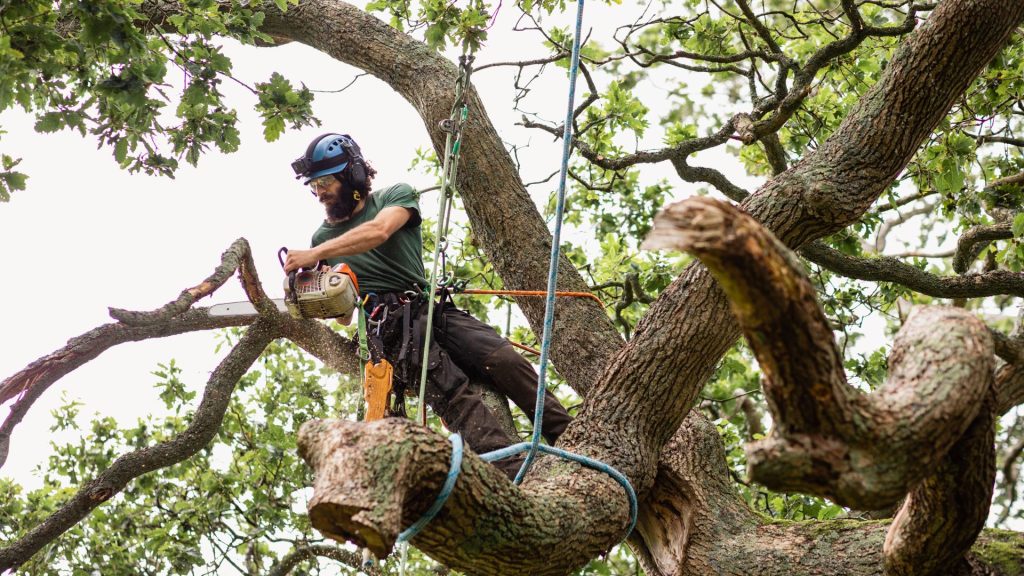
Choosing between tree trimming and tree removal is mostly a risk decision: can the tree be made safer while keeping its shade and character, or is failure becoming likely? For many ageing trees, the best first step is a professional inspection followed by targeted tree trimming that reduces hazards without sacrificing the canopy.
What Signs Show an Old Tree May Benefit from Tree Trimming?
An old tree often benefits from tree trimming when problems are visible but still manageable. The aim is to reduce risk, improve clearance, and keep the tree’s structure working with its age, not against it.
Common signs that tree trimming or tree pruning services may help include deadwood in the canopy, rubbing branches, crowded interior growth, low hanging limbs over driveways or paths, and minor storm damage. In these situations, tree trimming can remove hazards and reduce strain on heavy limbs while preserving the tree’s form.
What problems can be fixed with pruning instead of removing?
Many issues can be solved with pruning rather than removing the whole tree, especially when the trunk and roots remain sound. Tree pruning improves structure and health, while tree trimming focuses on safety, clearance, and shape, and most quotes include both.
Examples where tree trimming supports preservation include:
- reducing end weight on long limbs to lower leverage in wind
- removing crossing or rubbing branches to prevent wounds
- improving airflow and light through selective thinning
- correcting an uneven canopy after storms
- lifting the canopy for safe clearance over paths and driveways
When Is Tree Removal the Safer Option for an Ageing Tree?
Some old trees become high-risk, and tree removal is the safer option when the likelihood of failure is no longer acceptable, even after trimming. If the defects are structural or the roots are compromised, reducing the canopy may not remove the danger.
Red flag signs include a significant lean after storms, large trunk cracks or splits, major root heave, extensive decay or cavities, repeated limb drops, dead, drying, or infected trees, and uprooted or severely damaged trees. In these cases, delaying action can increase the chance of property damage or injury.
Tree removal usually means complete removal from top to roots, often followed by stump removal or stump grinding and green waste removal. A good provider will also carry out post removal inspections and share recommendations for replacement planting or site safety.
Tree removal is also common when access is required for construction, land clearing, development, or when an unavoidable hazard sits close to homes or roads. In Sydney, tree prevention laws may require permits or approval from the local council for tree lopping services or removals, so they should confirm regulations before work begins.
How Can an Arborist Assess the Health of an Old Tree?
An arborist assesses the health to estimate the likelihood of failure and the consequences if it fails, then decides between tree trimming and removal. The assessment also considers targets such as homes, cars, neighbours, and pedestrian areas.
Typical checks include canopy density and dieback pattern, trunk soundness, cavity size and location, bark condition, fungal indicators, root flare inspection, soil conditions, and evidence of past storm damage. They may also look for pests, disease, and poor previous cuts that make future breakage more likely.
From there, they plan the safest cutting or removal approach, including rigging methods, exclusion zones, and scheduling to reduce disruption. In Sydney, they may also help prepare documentation and evidence for permits and approvals where council rules apply.
Why Is Careful Tree Trimming Important for Mature Trees?
Mature trees need precision tree pruning services because incorrect cuts can accelerate decay, trigger weak regrowth, or destabilise heavy limbs, making the situation worse. Done properly, tree trimming reduces hazards while respecting how older wood responds to wounding.
Best practice focuses on selective cuts, avoiding topping, preserving the branch collar, balancing the canopy, and maintaining clearance without over-thinning. This is where routine maintenance differs from aggressive reduction, and tree lopping should be used only when justified and compliant with council rules.
Careful tree trimming supports long-term health, can boost property value, saves time and effort compared with repeated emergency call-outs, and meets environmental responsibility. It can also reduce legal exposure by addressing foreseeable hazards before they cause damage.
Can an Old Tree Be Preserved Safely Instead of Removed?
Many old trees can be preserved when the structure is sound and risk can be reduced to an acceptable level through tree trimming and follow-up care. Removal is usually the right call when decay, cracking, or root failure makes the risk unacceptable.
Preservation options often include staged tree trimming over multiple visits, crown reduction where appropriate, cabling and bracing if suitable, soil improvement and mulching, and pest and disease management. A professional company may also provide inspections, recommendations, tree care tips, and a maintenance plan after the first visit.
For locals in the Hills District and North Shore, Trees Down Under is one example of a provider that combines tree care with development services such as stump grinding, vegetation clearing, mulching, site preparation and grading, with environmental assessments and regulatory compliance in mind. If an old tree is raising concerns, they should book an arborist assessment and act on the findings before the next storm makes the decision for them.
Do You Need Council Approval for Stump Grinding?
When Can Stump Grinding Be Done Without Council Approval?
Often, stump grinding can be done without council approval because it is generally considered low-impact compared with removing a protected tree. That said, the right answer depends on the site, the species, and what was approved earlier when the tree came down.
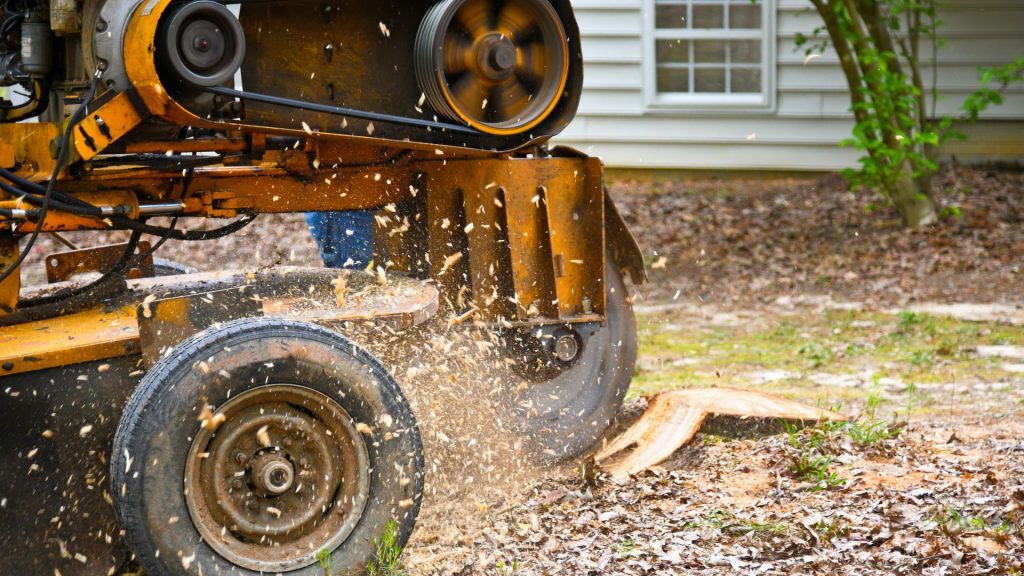
Stump grinding is a below-ground process using a tree stump grinder to chip the stump down beneath soil level. It is not the same as full root extraction or full tree stump removal via excavation, which causes far more disturbance.
Councils may still care where the stump is linked to a protected or significant landscape tree, where the site sits in a riparian or foreshore zone, or where the stump is treated as part of the protected tree. In those cases, even a search for “stump grinding near me” should start by checking which protections apply, not just booking the first available slot.
Choosing stump grinding services can help keep disturbance minimal compared with full excavation, particularly around paving, pipes, and neighbouring boundaries. If they are unsure, they should treat stump grinding near me as a prompt to confirm local rules first.
How Do Local Tree Protection Rules Affect Stump Grinding?
In Sydney, tree prevention laws can require permits or approval from the local council for tree lopping services and, in some areas, for related works connected to protected trees, including stumps. As a result, stump grinding is not automatically exempt, even when the tree is already gone.
Councils typically decide protection based on species, trunk diameter, canopy spread, location within heritage conservation areas, and ecological significance. A stump can still be considered evidence of a protected tree, especially if there is a history of unauthorised removal in the area.
What councils usually want is a clear paper trail showing the work is lawful and controlled:
- A copy of any prior approval or determination notice
- An arborist report with measurements and tree details
- Before and after photos, plus stump location on-site
- A job scope stating grinding depth and access route
- A green waste removal plan for chips and debris
Local knowledge matters. Hiring a Sydney-based team familiar with Hills District and North Shore requirements can reduce accidental non-compliance, particularly when stump grinding near me results show operators who travel across multiple council areas. If they are searching stump grinding near me after a removal, they should confirm which council rules apply to that exact address.
Does Tree Removal Approval Also Cover Stump Grinding?
Sometimes yes, sometimes no. It depends on how the permit or approval is written, and whether stump treatment is included in the conditions.
Tree removal usually means complete removal from top to roots, typically approved when a tree is dead, dangerous, or structurally compromised. Tree lopping is different: it is size reduction or advanced pruning for maintenance and preservation, and approvals can be more restrictive because the tree remains.
They should read the approval carefully and check for: the correct site address, any tree ID or species reference, the scope wording such as “remove tree and grind stump”, and any notes that restrict excavation but allow grinding. Where the scope is unclear, clarifying up front helps prevent surprise stump removal cost add-ons or rework, and it also helps them understand stump grinding cost versus full removal or excavation.
Once approval is confirmed, many people move straight to searching stump grinding near me to book a slot quickly. If the approval is silent on the stump, they should pause and ask the council before they search stump grinding near me and pay a deposit.
Why Should You Check Council Rules Before Booking Stump Grinding Near Me?
Checking first helps prevent stop-work orders, fines, legal action, and delays, especially on protected sites or in regulated suburbs. It also protects future plans like landscaping or development, where compliance history can matter.
A professional tree removal company typically plans a safe cutting and removal process, manages risk, and then coordinates grinding as part of a compliant workflow. That includes confirming whether the stump relates to a protected tree, and whether any conditions limit disturbance below ground.
Councils may also care about practical details that affect neighbours and infrastructure, such as access routes, equipment footprint, noise hours, underground services location, and green waste removal and disposal. These details often separate a smooth booking from a cancelled job.
Demand for stump removal Sydney is high, so reputable operators tend to confirm the rules before locking in a date. If they start with stump grinding near me, they should expect the contractor to ask about council area, approvals, and site constraints. If they keep searching stump grinding near me and only hear price talk, they should treat that as a warning sign. The safest approach is to check, then book stump grinding near me with a team willing to document the job properly.
How Can an Arborist Help Confirm Whether Approval Is Needed?
An arborist can assess tree health and risk history, confirm whether the stump relates to a protected tree, and advise what documentation is needed for the council. In uncertain cases, that guidance is often what prevents accidental breaches.
They can provide a written arborist report, photos and measurements, risk notes, and a compliant plan covering grinding depth and site protection. This can be especially useful where approvals mention retaining roots, avoiding excavation, or protecting nearby vegetation.
For example, Trees Down Under serves the Hills District and North Shore with land clearing and development services, including stump grinding, vegetation clearing, mulching, site preparation and grading, environmental assessments, and regulatory compliance. They also prioritise safety with insurance coverage and a risk management plan, which is the sort of end-to-end approach councils expect.
If approval is unclear, they should pause booking and get confirmation first. If it is clearly exempt, they can proceed and book stump grinding near me with confidence.
Can an Arborist Help Save a Dying Tree?
A declining tree is not always a lost cause, but waiting too long can turn a manageable health issue into a safety emergency. Bringing in an arborist Sydney professional early can protect people and property, reduce costs, and preserve valuable canopy cover, especially in established suburbs where shade and amenity matter.
What Signs Show a Tree May Still Be Saved?
Many trees look “on the way out” when they are actually responding to stress, not dying. An arborist Sydney can spot recovery potential early, before decay or instability becomes a bigger issue.
Saveable signs often include:
- Partial canopy dieback rather than total canopy loss
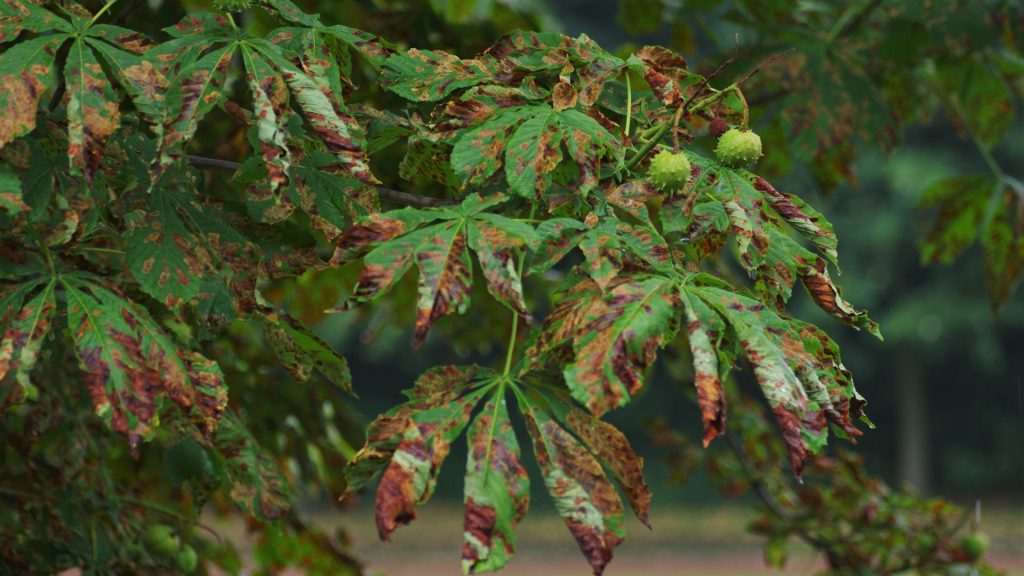
- New epicormic shoots on the trunk or main limbs
- Localised limb dieback while the rest of the crown is active
- Seasonal stress after heat or drought, followed by fresh growth
- Minor pest damage that has not spread across the canopy
- Soil compaction symptoms that can be improved with better site conditions
Experienced arborists in Sydney can also distinguish between temporary stress and the risk of structural failure. If the tree is hazardous, an arborist in Sydney may recommend urgent risk controls and advise on council-permit steps before major work, especially where Sydney tree prevention laws apply. From a tree arborist perspective, “saving” is always a balance of biology, structure, and site risk.
How Does an Arborist Sydney Expert Assess a Dying Tree?
A typical assessment is both a health check and a risk evaluation. An arborist Sydney expert looks at tree condition, site constraints, and the “targets” nearby, such as people, homes, fences, driveways, and play areas.
They usually start with a visual inspection of:
- Canopy density and leaf size or colour
- Deadwood distribution and recent branch drop
- Fungal bodies, cavities, and decay indicators
- Sap flow, bark integrity, and cracking
- Root-zone issues, including soil compaction and water stress
Next, they provide a risk rating and recommendations, which may include monitoring, treatment, pruning, or removal. If cutting or rigging is required, they outline a safe plan, which is what reputable tree services Sydney providers are expected to do.
Local compliance matters too. Sydney tree prevention laws may require permits or approval from the local council for tree lopping services, and an arborist Sydney professional can help document the condition, justify works, and support the approval process where needed.
What Tree Health Problems Can an Arborist Treat?
Treatment rarely means a single quick fix. An arborist in Sydney will usually combine actions that improve growing conditions, reduce stress, manage pests or diseases, and lower failure risk.
Common “treatable” situations include pest and disease management, where they identify likely causes, remove infected material where appropriate, and recommend integrated management steps rather than blanket chemical claims. They may also advise on irrigation changes, mulching, soil improvement, and corrective pruning to support recovery.
Their decision-making typically includes the tree’s value (shade and amenity), likelihood of recovery, risk to targets, and the owner’s capacity for ongoing maintenance. Using qualified tree services in Sydney helps avoid poor cuts that accelerate decay, trigger defects, or create legal and safety issues, especially on higher-risk sites where documentation and compliance expectations are stricter.
How do professionals balance tree saving with safety and liability?
They weigh amenity value against realistic recovery outcomes and exposure to harm. An arborist in Sydney may recommend keeping a tree only if risk can be reduced to an acceptable level and maintained over time.
This is also where insured, qualified tree services in Sydney matter, because improper cutting can worsen defects and increase liability. Clear reporting, photos, and practical options help owners make defensible decisions, particularly when approvals and neighbour concerns are involved.
When Is Pruning Better Than Removing a Struggling Tree?
Pruning can be the best option when the tree is still viable but needs risk reduction. An arborist in Sydney will distinguish between tree lopping, which is a size reduction, and an advanced version of pruning for maintenance and preservation when appropriate, and tree removal, which is complete removal from top to roots and used when the tree is dead or dangerous.
Pruning is often suitable when there is localised deadwood, overextended limbs, canopy imbalance after storms, or clearance needs from structures. Reducing end-weight can also limit failure risk and buy the tree time to recover.
A safe job should include planning such as traffic and pedestrian controls, rigging zones, PPE, drop zones, neighbour and property protection, utility awareness, and waste management. Reputable arborist services in Sydney are insured and follow a risk management plan, and they can also include stump grinding and vegetation clearing to support site safety and replanting.
What should a safe removal plan include if saving isn’t possible?
If removal is unavoidable, a clear plan should control access, define rigging and drop zones, manage utilities, protect nearby property, and handle green waste removal properly. An arborist Sydney will also recommend post-removal inspections and practical next steps.
Many owners also choose stump grinding and vegetation clearing so the site is safe, tidy, and ready for landscaping or rebuilding.
How Can Ongoing Arborist Care Help Protect Tree Health?
Prevention is usually cheaper and safer than rescue. Regular checks by an arborist Sydney support early pest and disease detection, targeted improvements to the root zone, and proactive structural pruning before storm seasons.
For property owners, ongoing care helps maintain tree health, boosts property value, saves time and effort, supports environmental responsibility, and reduces the chance of legal action linked to unsafe trees. When hiring, they should research recommendations, verify credentials (insurance and licence), prioritise local knowledge, and compare quotes based on scope, equipment, gear, PPE, and environmental consciousness.
For those needing broader site works, Trees Down Under serves the Hills District and North Shore with land clearing and development services, including tree removal, stump grinding, vegetation clearing, mulching, site preparation and grading, environmental assessments, and regulatory compliance. They also prioritise safety with broad insurance coverage and a risk management plan.If a tree looks like it is failing, early assessment by an arborist Sydney professional is often the best chance to save it, and the safest way to confirm when it cannot be saved. Book an inspection now and get a clear, compliant plan before the risk escalates.
What Factors Increase Tree Removal Prices in Sydney?
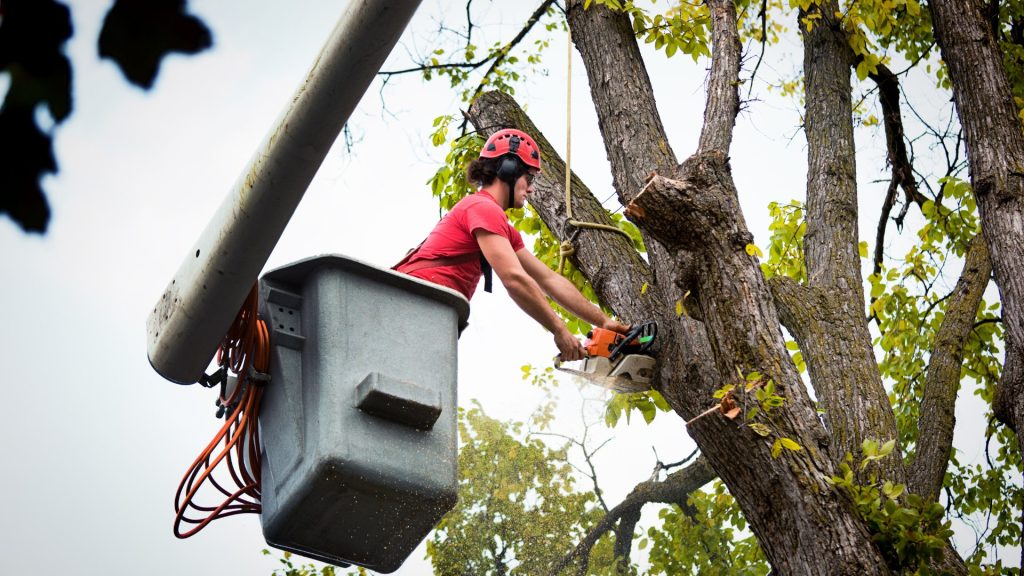
Tree removal cost Sydney can swing sharply from one property to the next, and this guide explains the real on-site factors that push quotes up. It focuses on what an arborist actually sees on arrival, so homeowners can understand why pricing varies and how to prepare.
Professional tree removal services Sydney typically cover an initial assessment, planning, safe cutting and removal, stump options, green waste removal, plus a post-removal inspection with practical tree care tips.
It also helps to choose the right service. Tree removal means taking the tree out completely, from top to roots, while tree lopping is size reduction through advanced pruning for maintenance and preservation. Selecting the wrong approach can change the final tree removal Sydney cost and lead to extra work later, which affects tree removal cost Sydney.
Hiring a tree removal company reduces safety risks, saves time and effort, protects tree health across the site, supports property value, and improves environmental responsibility. It also lowers the chance of neighbour disputes or legal action when Sydney tree removal is carried out near boundaries, shared fences, or regulated vegetation.
Why Is Site Access Important for Safe Tree Removal?
Site access directly affects the method, crew size, equipment choice, and time on site, so it is a core driver of tree removal cost Sydney. When access is poor, crews often need slower manual handling and more careful staging.
Common access constraints include narrow driveways, stairs, steep slopes, soft ground after rain, backyard-only access, and limited drop zones for branches and logs. These constraints can turn a simple tree removal Sydney job into a complex lift-and-lower operation.
When chippers, stump grinders, cranes, or elevated work platforms cannot reach the tree, the job becomes more labour-heavy and takes longer, increasing tree removal cost Sydney. Even moving material through side gates in small loads adds hours.
Access also ties to risk management and insurance. Reputable tree removal Sydney operators maintain a risk management plan and hold public liability, workers’ compensation, and equipment or vehicle cover, and those overheads are reflected in tree removal cost Sydney.
What owners can do to help:
- Clear gates and side paths before the crew arrives
- Remove outdoor furniture, pots, and kids’ items from work zones
- Confirm parking and driveway access for trucks and chippers
Why Does Tree Location and Site Access Change the Cost?
Location changes hazards and logistics, which is why tree removal cost Sydney rises when a tree sits close to homes, fences, pools, sheds, neighbour properties, powerlines, or roads. In these settings, extra controls are needed to prevent damage and manage public safety.
A “straight drop” is when sections can be dropped safely into a clear zone. Complex removals happen when pieces must be rigged, swung, and lowered on ropes, which needs more time and specialist climbers, increasing tree removal cost Sydney.
Local knowledge matters too. A local tree removal provider is more likely to anticipate street parking limits, traffic pinch points, and typical block access, which helps them price local tree removal more accurately than a non-local operator. Many homeowners search phrases like tree removal cost sydney and tree removal Sydney cost when comparing quotes, but the site specifics still decide the final tree removal cost Sydney.
Before work begins, a proper assessment of tree health and risk, plus a clear plan for the safe tree-cutting and removal process, is essential in difficult locations. That planning time is a legitimate part of tree removal cost Sydney.
How Do Tree Size and Height Affect Tree Removal Prices?
Bigger trees generally mean higher tree removal cost Sydney because climbing takes longer, rigging loads are heavier, and disposal volume increases. Height alone is not the only measure, but it often signals complexity.
Key size drivers include trunk diameter, canopy spread, the number of leaders, and overall weight, all of which increase cuts, rope work, and time. A wide canopy over a roof can raise tree removal cost Sydney more than a tall tree in open space.
Condition modifies risk and pricing. Dead, drying, infected, storm-damaged, uprooted, or structurally compromised trees can behave unpredictably, requiring extra safety measures and sometimes different techniques, increasing tree removal cost Sydney.
The reason for removal can also influence scheduling. Danger risk, construction or land clearing, and aesthetic requirements may demand faster booking or tighter site coordination, which can affect tree removal cost Sydney. A tree removal company typically bases pricing on an on-site inspection, hazard assessment, method statement, crew and equipment plan, and disposal plan, which is why “similar-sized” trees can still be priced differently.
Can Council Permits Increase Tree Removal Cost Sydney Wide?
Yes, permits can increase tree removal cost Sydney because Sydney tree prevention laws often require council approval for removals or lopping, adding administration time and potential delays. Requirements vary between councils and depend on species, size or DBH, heritage overlays, and environmental zones.
Skipping approvals can trigger fines, stop-work orders, and neighbour disputes, so using insured professionals supports compliance and reduces the risk of legal action. This is especially relevant when tree removal Sydney work is close to boundaries or protected vegetation.
Permits also influence service selection. In some cases, tree lopping for maintenance is allowed where full tree removal is not, while a dead or dangerous tree may qualify for removal with evidence, and both scenarios change tree removal cost Sydney. Experienced tree removal services Sydney can guide owners through the paperwork and environmental responsibility expectations.
How Do Emergency Work, Stump Grinding and Clean-Up Affect the Final Price?
Emergency call-outs after storms or sudden failure risk often raise tree removal cost Sydney because crews may need rapid mobilisation, after-hours work, extra traffic control, and higher-risk procedures. The priority is safety, but the operational load is higher.
Stump grinding usually costs extra because it requires a specialised machine, suitable access, and time, depending on stump diameter, grinding depth, and rock or soil conditions. It is often recommended where owners want replanting, turf, paving, or to reduce trip hazards, but leaving the stump can reduce immediate tree removal cost Sydney.
Some sites also require broader land clearing support such as vegetation clearing, mulching, site preparation and grading, plus environmental assessments and regulatory compliance. A local example is Trees Down Under, a tree removal company supporting locals in the Hills District and North Shore with removal, stump grinding, vegetation clearing, mulching, and site preparation and grading, backed by a safety and insurance focus.
Hiring checklist to keep control of tree removal cost Sydney:
- Seek recommendations and check recent local reviews
- Verify credentials, including insurance and any required licences
- Compare itemised quotes covering scope, equipment, PPE, and disposal
- Choose a local tree removal provider who will confirm access and hazards onsite
Green Waste Removal Sydney: What to Do If Council Bins Are Not Enough
You May Also Like:
- Green Waste Removal Sydney vs Council Bins: What’s the Difference?
- The Top 5 Benefits of Regular Green Waste Removal for Long-Term Property Care
Council green bins work well for week-to-week garden maintenance, but they are easy to overwhelm in Sydney. When households get hit with storm debris, a big prune, or a DIY landscape weekend, green waste removal Sydney becomes the fastest way to get back to a safe, tidy property without waiting for the next collection.
Why Are Council Green Bins Often Not Enough for Garden Waste in Sydney?
Council bins are sized for regular kerbside volumes, not sudden pile-ups. After storms, pruning, or landscaping, many households end up with overflow they cannot store safely, so green waste removal Sydney becomes the practical next step.
The biggest volume spikes usually come from:
- Tree lopping or heavy pruning that drops long limbs and dense foliage
- Hedge reductions where a single row can fill multiple bins
- Lawn repairs and dethatching, especially after wet weather
- DIY landscaping such as garden bed removals and plant-outs
- Post-storm clean-up that mixes leaves, twigs, and snapped branches
When the bin is full, people often search for “garden waste removal near me”, because waiting weeks can mean slipping hazards, blocked access, and complaints from neighbours. Larger tree jobs can create far more material than a council bin can handle, especially when branches must be cut down to manageable sizes.
What Options Do You Have for Extra Green Waste Removal in Sydney?
There are four main paths when the green bin is already full. The right choice depends on volume, access, time, and whether the waste is clean vegetation only. When the pile is substantial, many households move straight to green waste removal Sydney to avoid multiple trips and repeat handling.
Common options include:
- On-site mulching or chipping
- Booked green waste pick up through a provider
- Trailer or ute runs to a facility
- Professional crews after tree work or land clearing
On-site mulching works well for leafy material, small branches, and hedge trimmings. Chipping reduces the pile quickly, and the mulch can be reused on garden beds to retain moisture and suppress weeds.
For suburbs with larger blocks, this matters more. Hills District and North Shore properties often have mature trees and long hedgelines that generate serious volume, so green waste removal Sydney is a frequent requirement after seasonal maintenance. If the job is mostly vegetation, many residents look specifically for garden waste removal Sydney, especially when they want the site left clean without ongoing trips.
For mixed workloads, a general green waste removal service can bundle loading, hauling, and disposal so the waste is not left stacked for days. In heavier clean-ups, green waste removal Sydney may still be paired with mulching to reduce what needs to be carted away.
Can You Take Green Waste to a Local Tip or Recycling Facility?
Yes, the DIY route is possible if they have the time, vehicle, and safe loading access. However, many people choose green waste removal Sydney instead once they factor in tipping queues, repeat runs, and handling heavier branches.
Before leaving, they should check:
- Opening hours and whether bookings are required
- Accepted materials and contamination rules
- Load limits by vehicle type
- Fees and payment methods
- Any requirements for proof of residence or council area
Preparation helps avoid being turned away. Green waste should be separated from general rubbish, plastics, and soil, and branches should be cut to manageable lengths for safe lifting. Keeping loads neat and secure also reduces litter risk on the road.
Sydney households should also keep a compliance mindset around vegetation work. Council rules and approvals can apply to tree lopping and removal, and while disposal is a separate step, responsible handling reduces the risk of neighbour complaints and avoidable disputes. For time-poor households, green waste removal Sydney can be the simpler way to stay tidy and compliant.
Cost is usually the next question. What they pay can vary widely, so it helps to compare this DIY option against typical green waste removal cost once labour, fuel, tip fees, and time are considered.
When Should You Hire a Professional Green Waste Removal Service?
They should hire help when the pile is clearly beyond bin capacity, time is tight, or the job is risky. In those moments, green waste removal Sydney is less about convenience and more about safety, access, and getting the property back under control.
Common triggers include:
- Piles larger than a wheelie bin, or multiple cubic metres of cuttings
- Tight deadlines, such as pre-inspection, pre-sale, or tenancy changeovers
- Limited access, steep driveways, or narrow side paths
- Safety concerns from heavy limbs, thorns, or unstable storm debris
- Tree work that produces large, awkward branches
If the waste comes from tree lopping or tree removal, professional crews can assess tree health and risk, then plan a safe cutting or removal process before clearing the debris. In Sydney, permit or council approval may be required for certain vegetation work, so experienced operators can help avoid careless cutting that creates both waste and legal headaches.
Providers like Trees Down Under serve Hills District and North Shore clients and can combine vegetation clearing, mulching, and site preparation with green waste removal Sydney for development, land clearing, or post-storm recovery. This is also useful when a site needs stump grinding, cutting to size, and full clean-up without multiple contractors.
Pricing is usually driven by practical factors rather than a flat rate. The main influences on green waste removal cost include volume, weight, access for trucks or chippers, how well the load is separated, and whether cutting down, stump grinding, or extra labour is required. For larger clean-ups, green waste removal Sydney often becomes better value than multiple DIY runs, particularly when labour and tip fees are added up.
For households balancing safety and speed, green waste removal Sydney is often the most straightforward way to clear the site properly and avoid the pile becoming an ongoing hazard.
How Can You Reduce Green Waste Buildup on Your Property?
They can reduce overflow by changing the pattern of maintenance, not just the disposal method. Smaller, regular pruning produces steadier volumes and avoids the seasonal cutbacks that overwhelm bins, which reduces the need for emergency green waste removal Sydney.
A simple prevention plan looks like this:
- Schedule light trimming monthly or quarterly instead of big annual reductions
- Mulch routinely by chipping small branches and spreading leaves on garden beds
- Keep a dedicated, tidy holding area so vegetation does not block paths or drains
- For larger trees, arrange professional health and risk assessments to guide targeted pruning rather than unnecessary removal
Mulching is especially effective for hedge and shrub waste, because it turns bulky cuttings into usable material. For mature trees, professional advice can reduce wasted effort by identifying what should be removed for safety and what can be retained for canopy health.
A clear decision rule keeps things simple. If the pile exceeds what they can safely lift, store, or transport, they should book green waste removal Sydney rather than letting it sit, rot, or become a storm hazard. For the quickest reset after a big job, they can schedule green waste removal Sydney and get the property cleared before the mess becomes the next weekend’s problem.


