
Category: Tree Removal
Sydney Tree Removal: Storm Damage Cleanup – How to Handle Fallen Trees Without Harming Your Property
Understanding the Risks of Fallen Trees
Fallen trees can pose significant risks to both property and personal safety. During storms, high winds and heavy rainfall can weaken tree structures, leading to branches snapping or entire trees uprooting. These incidents not only damage the landscape but can also result in costly repairs to homes, vehicles, and other structures. Especially in Sydney, where storms are severe, hazardous Tree removal is essential for the safety of your property.
Moreover, fallen trees can obstruct roads and pathways, creating hazards for pedestrians and motorists alike. Understanding the potential dangers associated with fallen trees is crucial for effective cleanup and prevention strategies.
Identifying the Hazards
Before attempting any cleanup, it is essential to assess the situation. Fallen trees may be entangled in power lines, which can pose a severe risk of electrocution. If a tree has fallen on or near a building, there may be structural damage that needs immediate attention. Always prioritise safety and consider calling professionals if the situation appears dangerous.
In addition to physical hazards, there may be hidden dangers such as sharp branches or unstable ground. It’s important to wear appropriate safety gear, including gloves, hard hats, and sturdy footwear, to minimise the risk of injury.
Furthermore, fallen trees can also attract pests, such as termites and wood-boring beetles, which can further compromise the integrity of nearby structures. These insects thrive in decaying wood, and their presence can lead to infestations that may require extensive pest control measures. It is advisable to monitor the area around a fallen tree for signs of pest activity, especially if the tree was healthy prior to its fall. Even a healthy tree can cause significant problems for homeowners, such as underground issues and property damage.
Additionally, the ecological impact of fallen trees should not be overlooked. While they can be a nuisance, fallen trees can also provide vital habitats for various wildlife species. Birds, small mammals, and insects often utilise the decaying wood for shelter and food. Understanding this duality can help in making informed decisions about tree management and the importance of maintaining a balanced ecosystem even in the face of natural disturbances.
Preparing for Cleanup
Preparation is key when dealing with fallen trees. A well-thought-out plan will not only streamline the cleanup process but also ensure that the property remains unharmed. Before starting, gather the necessary tools and equipment to facilitate a safe and efficient operation. Beyond basic cleanup, there are other tree services available that can enhance the overall health and aesthetics of the trees and property.
Essential Tools and Equipment
Having the right tools on hand can make a significant difference in the cleanup process. Essential items include chainsaws, axes, ropes, and safety gear. Chainsaws are particularly useful for cutting through thick branches and trunks, while ropes can assist in safely manoeuvring and securing larger pieces of wood.
Additionally, consider using a wood chipper for smaller branches and debris. This equipment can help reduce waste and make it easier to manage the remaining materials. If unsure about which tools to use, consulting with a professional can provide valuable insights. Professional arborists have the expertise to use these tools safely and effectively, ensuring the best outcomes for tree care.
Assessing the Area
Before commencing cleanup, it is vital to assess the area surrounding the fallen tree. Look for potential hazards, such as nearby structures, power lines, and other trees that may also be at risk of falling. Establish a safe perimeter around the tree to keep bystanders at a distance.
It may also be beneficial to document the damage with photographs. This can serve as a record for insurance purposes and help in evaluating the extent of the damage.
DIY vs. Professional Tree Services
When it comes to tree services, homeowners often wonder whether to tackle the job themselves or hire a professional. While DIY tree services may seem like a cost-effective option, it’s essential to evaluate your capabilities and consider the risks involved.
Evaluating Your Capabilities
Before attempting any tree services, assess your skills and experience. Ask yourself:
- Do you have the necessary equipment and safety gear?
- Are you familiar with tree anatomy and pruning techniques?
- Can you identify potential hazards, such as power lines or weak branches?
- Do you have the physical ability to perform the task safely?
If you’re unsure about any of these factors, it’s best to err on the side of caution and hire a professional tree service. Attempting tree removal or pruning without the proper knowledge and tools can lead to accidents, property damage, and even injury. Professional tree services have the expertise and equipment to handle these tasks safely and efficiently.
When to Call a Professional
There are several situations where it’s recommended to call a professional arborist in Sydney:
- Large or complex tree removals: If the tree is tall, has multiple trunks, or is located near power lines, it’s best to hire a professional.
- Tree pruning or trimming: If you’re unsure about how to prune or trim your tree, a professional can help maintain its health and appearance.
- Stump removal: Stump grinding requires specialised equipment and expertise to avoid damaging surrounding structures.
- Emergency tree services: If a tree has fallen or is causing an immediate hazard, call a professional tree service for prompt assistance.
By recognising when to seek professional help, you can ensure that your tree removal job is done safely and effectively, protecting both your property and personal safety.
Choosing a Professional Tree Service
When selecting a professional tree service, consider the following factors to ensure you receive quality tree service:
- Qualifications: Look for certified arborists or tree care professionals with relevant experience. Certified arborists have undergone rigorous training and adhere to industry standards, ensuring your trees receive the best care.
- Insurance: Ensure the company has comprehensive liability insurance to protect you and your property. This coverage is crucial in case of accidents or damage during the tree removal job.
- Equipment: Check if the company has the necessary equipment and safety gear to perform the job safely. Proper equipment, such as chainsaws, stump grinders, and safety harnesses, is essential for efficient and safe tree services.
- Reviews: Research online reviews and ask for referrals from friends or family members. Positive reviews and recommendations can provide insight into the company’s reliability and quality of service.
- Local council approval: Verify if the company has the necessary permits and approvals from local councils. Compliance with local regulations ensures that the tree removal or pruning is conducted legally and responsibly.
By choosing a professional tree service, you can ensure your tree maintenance needs are met safely and efficiently. Remember to always prioritise your safety and the health of your trees. A professional tree service not only provides peace of mind but also contributes to the long-term wellbeing of your landscape.
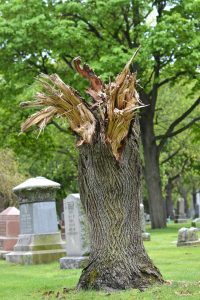
Safe Tree Removal Services Techniques
Once adequately prepared, the next step involves safely removing the fallen tree. This process can vary significantly depending on the size and location of the tree, as well as the resources available. Professional services for removing trees can offer operational efficiency and competitive pricing, ensuring safe and effective tree management.
Cutting the Tree
When it comes to cutting the tree, it is crucial to follow specific techniques to ensure safety and efficiency. Start by clearing away any debris around the base of the tree to provide a clear workspace. If the tree is large, consider cutting it into manageable sections, starting from the top and working your way down. Tree lopping is an important service for maintaining the health and aesthetics of trees, and should be done by experienced contractors to ensure safety.
Always cut from the side of the tree that is leaning or falling towards. This method, known as the “felling cut,” helps control the direction of the fall. Make sure to create a notch on the side facing the intended direction of the fall, followed by a back cut on the opposite side. This technique allows the tree to fall safely and reduces the risk of injury.
Handling Large Branches
Large branches can be particularly challenging to manage. When cutting branches, it’s advisable to use the “three-cut method.” The first cut should be made on the underside of the branch to prevent it from tearing the bark. The second cut should be made on the top side, further out from the first cut, to allow the branch to fall. Finally, a third cut should be made at the branch collar to promote healing in the tree.
Always be cautious of the weight of the branches and ensure that they are adequately supported before making any cuts. If a branch is too heavy or poses a risk, it may be best to seek professional help.
Disposing of Debris and Stump Removal
After successfully removing the fallen tree, the next step involves disposing of the debris. Proper disposal and green waste removal is essential to maintain the aesthetics of the property and prevent potential hazards from arising.
Recycling and Reusing Wood
Consider recycling or reusing the wood from the fallen tree. Many communities offer wood recycling programmes that can turn debris into mulch or wood chips, which can be beneficial for landscaping. Additionally, larger sections of wood can be cut into logs for firewood or used for crafting projects.
By recycling the wood, not only is waste reduced, but it also contributes to a more sustainable approach to tree management. Local gardening groups or community centres may also accept donations of wood for various projects.
Disposal Options
If recycling is not an option, check local regulations regarding tree disposal. Many areas have specific guidelines for disposing of large debris, including designated drop-off sites or scheduled curbside pickups. It’s important to follow these regulations to avoid potential fines and ensure that the disposal is handled responsibly.
For those who prefer convenience, hiring a professional tree removal service can simplify the disposal process. These services often include debris removal as part of their offerings, allowing for a hassle-free experience. Hiring experienced tree removal services ensures the entire process is handled efficiently and safely.
Preventing Future Damage
Once the cleanup is complete, it’s time to consider preventative measures to minimise the risk of future tree damage. This includes pruning dead or weak branches, inspecting trees for signs of disease, and ensuring that trees are well-watered and nourished. Regular tree trimming is essential for maintaining tree health and preventing future damage. This proactive approach can save both time and money in the long run.
Regular Tree Maintenance
Regular maintenance is essential for the health of trees and can significantly reduce the risk of future incidents. This includes pruning dead or weak branches, inspecting trees for signs of disease, and ensuring that trees are well-watered and nourished.
Engaging a professional arborist for routine inspections can provide expert insights into the health of trees on the property. They can identify potential risks and recommend appropriate actions to maintain tree vitality.
Choosing the Right Trees
When planting new trees, consider species that are better suited to the local environment and less prone to storm damage. Researching tree characteristics, such as root structure and wind resistance, can help in making informed decisions.
Additionally, planting trees at a safe distance from structures can prevent potential damage in the event of a storm. Proper spacing allows for healthy growth and reduces the risk of branches falling on buildings or vehicles.
Conclusion
Dealing with fallen trees after a storm can be a daunting task, but with the right preparation and techniques, it is possible to manage the situation effectively. Understanding the risks, preparing adequately, and employing safe removal methods are crucial steps in ensuring a successful cleanup.
By taking proactive measures and maintaining trees regularly, including pre-emptively hiring tree services Sydney, property owners can significantly reduce the likelihood of future storm damage. Whether opting for a DIY approach or hiring professionals, the key is to prioritise safety and make informed decisions throughout the process.
Ultimately, a well-managed landscape not only enhances the beauty of a property but also contributes to the overall safety and wellbeing of its occupants.
Tree Pruning for Bushfire Prevention: Reduce Fire Hazards with Proper Maintenance
As climate change continues to influence weather patterns, the risk of bushfires has become a pressing concern for many communities, particularly in regions prone to dry conditions. One effective method of mitigating this risk is through proper tree pruning. This article explores the importance of tree maintenance in reducing fire hazards, offering practical tips and insights on how to effectively prune trees to enhance safety and protect properties. Additionally, it emphasizes the need for professional pruning to ensure that trees are trimmed safely and effectively.
The Importance of Tree Pruning in Fire Prevention
Tree pruning plays a crucial role in bushfire prevention. Removing dead branches is essential to maintain tree health and safety, especially in preparation for storm seasons. By maintaining trees in a healthy and manageable state, property owners can significantly reduce the risk of fire spreading. Overgrown trees, especially those that are close to homes and other structures, can act as fuel for fires, allowing flames to leap from the ground to the canopy and beyond.
Understanding Fire Behaviour
To appreciate the significance of tree pruning, it is essential to understand how fires behave in natural environments. Fires spread through three primary methods: direct flame contact, radiant heat, and embers. Trees that are densely packed or have low-hanging branches can facilitate the rapid spread of flames, making it imperative to maintain adequate spacing and height.
By pruning trees, the risk of direct flame contact is reduced, as lower branches are removed, and the overall structure, including the tree’s canopy, is kept tidy. This not only protects the trees themselves but also the surrounding vegetation and structures. Moreover, understanding the moisture content of trees and their leaves can also inform pruning practices. For instance, trees with high moisture content are less likely to ignite, whereas those with dry, dead branches can become a significant fire hazard. Regularly assessing tree health and moisture levels can further enhance fire prevention strategies.
Creating Defensible Space
Defensible space refers to the buffer zone between a property and the surrounding vegetation. Keeping trees healthy is essential in this area to prevent potential hazards. This area is critical in preventing the spread of fire. Proper tree pruning helps create this space by ensuring that trees are not too close to homes and that there is a clear separation between tree canopies and structures.
A well-maintained defensible space can significantly reduce the intensity of a fire, giving firefighters a better chance to control and extinguish flames. Homeowners should aim for a minimum clearance of three metres between tree branches and roofs, as well as ensuring that trees are spaced adequately apart to prevent fire from jumping between them. Additionally, incorporating a variety of fire-resistant plants in the defensible space can further enhance protection. These plants, which are typically more resilient to flames, can act as a natural barrier, absorbing heat and reducing the likelihood of fire reaching the home. Furthermore, regular maintenance of this area, including the removal of dead leaves and debris, is essential to ensure that it remains effective in the face of potential fire threats.
Identifying Trees that Need Pruning
Identifying trees that need pruning is crucial for maintaining their health and appearance. Here are some signs that indicate a tree needs pruning:
- Dead or Dying Branches: If a tree has dead or dying branches, it’s essential to prune them to prevent damage to the tree and surrounding structures. Removing these branches not only reduces fire hazards but also promotes the overall health of the tree.
- Overgrown Branches: Overgrown branches can cause damage to nearby buildings, power lines, or other trees. Pruning these branches helps maintain a safe environment and prevents potential hazards.
- Diseased or Infested Branches: Branches that are diseased or infested with pests can spread the problem to the rest of the tree or nearby vegetation. Pruning these branches can help contain the issue and protect the tree’s health.
- Crossing Branches: Branches that cross or rub against each other can cause wounds and structural weaknesses. Pruning these branches helps prevent damage and promotes a stronger tree structure.
- Poor Tree Shape: A tree with an uneven or poor shape can benefit from pruning to improve its appearance and encourage balanced growth. This not only enhances the tree’s aesthetic appeal but also contributes to its stability and health.
By addressing these signs promptly, homeowners can ensure their trees remain healthy, safe, and less prone to fire hazards.
Best Practices for Tree Pruning to Ensure Tree Health
Effective tree pruning requires knowledge and skill. Tree trimming services are essential for shaping trees, addressing overgrown or unhealthy branches, and ensuring safety. Following best practices not only enhances the health of the tree but also maximises its fire-resistant qualities. Here are some guidelines to consider when pruning trees for bushfire prevention.
Timing is Key
The timing of tree pruning is crucial. Ideally, pruning should be done during the tree’s dormant season, typically in late winter or early spring. This allows the tree to heal before the growing season begins, reducing the risk of disease and promoting healthy growth.
However, it is also important to assess the tree’s condition throughout the year. If a tree shows signs of disease or damage, immediate pruning may be necessary regardless of the season. Regular inspections can help identify potential hazards before they become serious issues. Having a tree pruned by professionals ensures that proper equipment is used and debris is removed, highlighting the importance of skill and care during the pruning process.
Know Your Tools
Tree trimming and using the right tools is essential for effective pruning. Sharp, clean tools ensure clean cuts, which minimise damage to the tree and reduce the risk of disease. Common tools include hand pruners for small branches, loppers for medium branches, and saws for larger limbs.
Before starting, it is advisable to sanitise tools to prevent the spread of pathogens between trees. Additionally, wearing appropriate safety gear, such as gloves and goggles, can protect against injuries while pruning.
Pruning Techniques: Removing Dead Branches
There are several techniques to consider when pruning trees. The most common methods include thinning, heading, and crown reduction. Thinning involves selectively removing branches to improve air circulation and light penetration, which can help reduce the overall fuel load.
Heading, on the other hand, involves cutting back the tips of branches to encourage bushier growth. This technique can be useful for maintaining the shape of a tree while reducing its height. Crown reduction is more drastic and involves cutting back the entire crown of the tree, which should only be performed by professionals to avoid damaging the tree. It is essential to have trees pruned regularly by experts to ensure their health and aesthetics.
Types of Tree Pruning
There are several types of tree pruning, each with its own specific purpose. Here are some of the most common types of tree pruning:
- Selective Pruning: This technique involves removing specific branches or parts of the tree to maintain its health and appearance. Selective pruning helps improve air circulation and light penetration, reducing the overall fuel load and enhancing the tree’s resilience to fire.
- Canopy Lifting and Thinning: Canopy lifting involves removing lower branches to create a higher canopy structure, while thinning reduces the density of the tree’s canopy. Both techniques allow more sunlight to reach the tree’s interior, promoting healthy growth and reducing the risk of fire spreading through dense foliage.
- Crown Reduction: This method involves reducing the size of the tree’s crown to maintain its shape and promote healthy growth. Crown reduction should be performed by professional arborists to avoid damaging the tree and ensure it remains structurally sound.
- Shaping: Shaping involves pruning the tree to achieve a specific shape or size. This technique can enhance the tree’s aesthetic appeal and ensure it fits well within the landscape, while also contributing to its overall health and fire resistance.
Understanding and applying these pruning techniques can help homeowners maintain their trees in a healthy, fire-resistant state.
Identifying Fire-Prone Tree Species
Not all trees are created equal when it comes to fire resistance. Tree removal may be necessary for species that are highly flammable and pose a significant fire risk. Some species are more prone to igniting and spreading flames than others. Understanding which trees are more likely to pose a fire risk can help homeowners make informed decisions about their landscaping.
High-Risk Tree Species
Certain tree species, such as eucalyptus and pine, are known for their flammable oils and resinous properties. These trees can ignite easily and burn intensely, making them high-risk in bushfire-prone areas. Homeowners should consider reducing the number of these trees on their property or ensuring they are adequately maintained through regular pruning.
In contrast, deciduous trees, such as maples and oaks, tend to be less flammable and can provide effective shade and windbreaks, making them more suitable for landscaping in fire-prone regions.
Creating a Fire-Resistant Landscape
In addition to pruning, creating a fire-resistant landscape involves selecting the right plants and arranging them strategically. Incorporating fire-resistant plants can help create a barrier against potential fires, while maintaining a well-pruned garden can further reduce fire hazards.
Ground covers and low shrubs that are less likely to ignite can be planted near homes, while taller trees should be positioned further away. This thoughtful arrangement not only enhances the aesthetic appeal of a property but also contributes to overall safety.
Professional Tree Care Services
While many homeowners can manage basic tree pruning, there are instances where professional help is advisable. Engaging tree care experts can ensure that pruning is done correctly and safely, particularly for large or complex trees. Additionally, these professionals are committed to providing outstanding customer service, ensuring a stress-free and efficient experience for clients.
When to Call a Professional Tree Pruning Service
There are several scenarios in which it is wise to consult a professional tree service. Services in Melbourne offer specialised tree care, emphasizing the importance of professional tree pruning and trimming. If a tree is significantly overgrown, poses a risk to structures, or is located in a difficult-to-reach area, professional assistance is recommended. Additionally, if a tree shows signs of disease or pest infestations, experts can provide the necessary treatment and care.
Professional tree services are also equipped with the right tools and knowledge to perform pruning safely, reducing the risk of injury to homeowners and damage to the trees.
Choosing the Right Tree Care Service for Tree Removal
When selecting a tree care service, it is important to consider their qualifications and experience. Additionally, managing the tree stump after tree pruning or removal is crucial for maintaining a tidy property. Look for certified arborists who have a strong understanding of local tree species and fire prevention techniques. Reading reviews and seeking recommendations can also help in making an informed choice.
Furthermore, ensure that the service is insured and provides a detailed plan for the work to be done. A reputable company will be transparent about their methods and will prioritise the health of the trees as well as the safety of the property.
Green Waste Removal and Disposal
Green waste removal and disposal is an essential part of tree pruning services. Proper management of green waste offers several benefits:
- Reduces the Risk of Disease and Pest Infestation: Removing dead and diseased branches helps prevent the spread of pathogens and pests, contributing to the overall health of the tree.
- Improves Tree Health: By removing dead and diseased branches, the tree can allocate more resources to healthy growth, enhancing its vitality and resilience.
- Enhances Tree Appearance: Clearing away debris and clutter from pruning improves the tree’s appearance and the overall aesthetic of the property.
- Maintains a Clean and Safe Environment: Proper disposal of green waste ensures that the area remains clean and safe, reducing the risk of fire hazards and other potential dangers.
Professional tree pruning services should include green waste removal and disposal as part of their offerings. This ensures that the tree is properly pruned and that the debris is removed and disposed of in an environmentally friendly manner. By choosing a professional tree pruning service, homeowners can enjoy the benefits of well-maintained trees and a safer, cleaner environment.
Conclusion
Tree pruning services are a vital aspect of bushfire prevention that can significantly reduce fire hazards in residential areas. By understanding the importance of maintaining trees, employing best practices for pruning, and recognising the need for professional assistance, homeowners can take proactive steps to protect their properties.
As climate conditions continue to evolve, the responsibility of managing fire risks falls on individuals and communities alike. Through proper tree care and maintenance, the threat of bushfires can be mitigated, ensuring a safer environment for all.
Ultimately, investing time and effort into professional tree pruning in Sydney not only enhances the aesthetic appeal of a property but also contributes to the overall safety and resilience of communities in bushfire-prone regions.
How to Spot and Manage Gum Tree Disease in Australia Before Tree Removal
Gum trees, also known as eucalypts, are iconic to Australia’s landscape and play a crucial role in the ecosystem. However, like any other tree species, they can be susceptible to various diseases that threaten their health and stability. It is essential for homeowners, land managers, and Sydney arborists alike to recognise the signs of gum tree diseases and take appropriate measures before needing to remove a tree. This article provides a comprehensive overview of gum tree diseases, how to identify them, and the steps to manage or mitigate their impact.
Understanding Gum Tree Diseases
Gum tree diseases can arise from various pathogens such as fungi, bacteria, and viruses, impacting the overall health of the trees. These diseases not only affect the trees themselves but also influence the surrounding wildlife and the ecological balance of their environment. Understanding the types and impacts of these diseases is vital for prevention and management. Professional tree removal services can be essential in severe cases.
Common Types of Gum Tree Diseases in Australia
Several diseases are particularly common among gum trees in Australia. One such disease is Myrtle Rust, caused by a fungal pathogen, which results in bright yellow to orange pustules on new growth, significantly affecting the foliage and overall vitality of the tree.
Another prevalent issue is Phytophthora, a root rot pathogen that can lead to the decline and death of the tree by attacking the roots and lower trunk. Symptoms include yellowing leaves, wilting, and stunted growth.
Additionally, the Eucalyptus Leaf Beetle can cause significant defoliation, while various cankers and gummosis diseases lead to sap oozing from branches and trunks, indicating a deeper issue. Understanding these diseases can aid in early diagnosis and treatment. Regular tree trimming can help in early detection and management of these diseases.
The Impact of Gum Tree Diseases on the Australian Ecosystem
The effect of gum tree diseases extends well beyond individual trees. Eucalypts play a pivotal role in Australian ecosystems, providing habitat and food for countless species, including koalas, birds, and insects.
When gum trees are infected, the decline in tree population can lead to reduced biodiversity and disrupt the food chain. Additionally, the loss of these trees can affect soil quality, water retention, and the overall health of surrounding flora. Proper care and maintenance are essential to ensure that trees remain healthy and continue to support the ecosystem.
Furthermore, the impact of gum tree diseases can be exacerbated by climate change, which may alter the distribution of pathogens and the resilience of trees. Increased temperatures and altered rainfall patterns can stress gum trees, making them more susceptible to infections. This creates a vicious cycle where weakened trees become more vulnerable to disease, further reducing their populations and the myriad of species that depend on them for survival. The interconnectedness of these systems highlights the urgent need for comprehensive monitoring and management strategies to safeguard both gum trees and the broader ecosystem.
Identifying High-Risk Trees
Identifying high-risk trees is crucial for maintaining the safety and health of your property. High-risk trees can pose a significant threat to people, buildings, and other structures, especially during severe weather conditions. In this section, we will discuss the factors that contribute to tree vulnerability and provide guidance on assessing tree location and environment.
Factors Contributing to Tree Vulnerability
Several factors can contribute to tree vulnerability, making them more prone to failure and posing potential hazards. Here are some key aspects to consider:
- Dead or Dying Branches: Dead or dying branches are a clear sign of a tree in distress. These branches can break off unexpectedly, causing damage or injury.
- Cracks or Splits: Cracks or splits in the trunk or branches weaken the tree’s structure, increasing the risk of failure.
- Root Damage: Compromised roots can destabilise the tree, making it more likely to topple, especially during storms.
- Poor Tree Structure: Trees with weak branch unions or narrow branch angles are more susceptible to breaking under stress.
- Environmental Factors: Strong winds, heavy rainfall, and drought conditions can all contribute to a tree’s vulnerability, stressing the tree and making it more prone to disease and failure.
Assessing Tree Location and Environment
Assessing the location and environment of your trees is also crucial for identifying high-risk trees. Consider the following factors:
- Proximity to Buildings and Structures: Trees located near buildings, power lines, or other structures can pose significant risks if they were to fail. It’s essential to evaluate the potential impact of a falling tree or branches.
- Soil Conditions: Poor soil conditions, such as compacted or unstable soil, can compromise the tree’s stability. Ensure that the soil around your trees is healthy and well-draining.
- Sunlight and Shade: Trees that receive too much or too little sunlight can become stressed, making them more susceptible to disease or pests. Ensure your trees are getting the right amount of light for their species.
- Wind Direction: Trees located in areas with high winds are more prone to failure. Consider the prevailing wind direction and the tree’s exposure to strong gusts.
By considering these factors, you can identify high-risk trees and take steps to mitigate the risks. Regular tree maintenance, such as tree pruning and trimming, can help reduce the risk of tree failure and keep your property safe.
Identifying Signs of Gum Tree Disease
Early detection is key in managing gum tree diseases. By knowing what symptoms to look for, you can take timely action to either treat the tree or, if necessary, begin preparations for removal. In some cases, consulting a professional tree removal company can provide a more accurate diagnosis and effective management plan.
Physical Symptoms to Look Out For
Common physical symptoms of gum tree diseases include discolouration of leaves, which may turn yellow or show brown spots. These changes often suggest nutrient deficiencies or disease infection.
Other signs include wilting or drooping branches, premature leaf drop, and visible oozing of sap from cankers or wounds. While not all symptoms directly indicate a disease, they are worth investigating further.
Moreover, it is essential to inspect the bark for any abnormalities, such as cracks, fungal growths, or lesions. These physical changes should prompt further examination of the tree’s health. In addition to these signs, one should also be vigilant for the presence of pests, such as borers or scale insects, which can exacerbate the health of the tree. These pests often create entry points for pathogens, leading to further complications and potentially severe damage. In cases where tree removal is necessary, stump grinding can ensure that the tree is completely removed, preventing further issues.
Changes in Tree Behaviour Indicating Disease
Aside from physical symptoms, changes in behaviour can also indicate potential disease. For instance, if a normally vigorous gum tree starts showing signs of stunted growth or appears less vibrant, it may be suffering from disease.
Another indicator is a reduction in flowering or fruit production. Healthy gum trees are prolific in their flowering patterns, and any significant drop in blooms can signal underlying health issues. Additionally, a noticeable change in the tree’s overall structure, such as leaning or an uneven canopy, can suggest root problems or structural weaknesses caused by disease. These behavioural changes, when combined with physical symptoms, can create a comprehensive overview of the tree’s health, guiding you toward the most appropriate intervention strategies. Managing diseases in large trees can be particularly challenging and may require specialised equipment and techniques.
Preventive Measures for Gum Tree Diseases
Preventing gum tree diseases is often more effective than treating them. Implementing proactive measures can save trees and maintain their health in the long run.
Regular tree servicing can help in early detection and prevention of diseases.
Regular Tree Health Checks
Conducting regular health checks on your gum trees is crucial. This involves closely inspecting foliage, branches, and roots for signs of disease as mentioned earlier. Regular monitoring allows for early detection and intervention, increasing the chances of recovery. Professional tree services in Sydney can provide thorough assessments and early intervention strategies.
Additionally, consider implementing a schedule for professional tree assessments, as trained arborists can spot potential issues that may go unnoticed by untrained eyes.
Proper Watering, Fertilising, and Tree Pruning Techniques
Proper care involves ensuring that gum trees receive adequate water and nutrients. Over-watering can lead to root rot, while under-watering stresses the tree, making it vulnerable to disease.
Use a well-draining soil mix and tailor your watering regimen based on seasonal rainfall. Fertilisation should also be adjusted according to the tree’s growth stage and soil conditions, ensuring that they have the right nutrients to combat potential diseases.
By adopting these practices, you can promote healthy growth and enhance the tree’s resilience against diseases. Proper tree cutting techniques can also help in maintaining tree health and preventing diseases.
Managing Gum Tree Diseases
If symptoms of gum tree disease are identified, managing the situation becomes imperative. Depending on the type and severity of the disease, several treatment options exist. It is also important to consider tree removal costs when planning disease management strategies.
\\
Effective Treatment Options for Gum Tree Diseases
Depending on the disease diagnosed, various treatment options may be available. For instance, fungicides may effectively manage fungal infections like Myrtle Rust. It is essential to apply these treatments as directed and during the correct season for maximum efficacy.
For root rot issues caused by Phytophthora, improving drainage around the tree and applying specific root treatments can be beneficial. In some cases, pruning affected branches can help in reducing disease spread. Removing the tree stump is also crucial to prevent further issues and maintain a clean environment.
Moreover, maintaining overall tree health through good cultural practices can enhance resistance against diseases, making them less likely to take hold.
When to Consider Professional Tree Removal Services
While many homeowners can manage minor issues, there are circumstances where professional intervention is necessary. If the tree shows severe signs of disease or if the disease poses a threat to other surrounding trees and plants, it is wise to consult an arborist. In urgent situations, emergency tree services can provide prompt and effective solutions.
Professionals have the expertise to diagnose complex issues and recommend appropriate treatments tailored to the specific conditions. They can also assist in deciding whether removal is the most suitable option to prevent the disease from spreading.
Choosing the Right Tree Services
Choosing the right tree services is essential for maintaining the health and safety of your trees. With so many tree service providers to choose from, it can be difficult to know where to start. In this section, we will provide guidance on evaluating service providers and choosing the right tree services for your needs.
Evaluating Service Providers
When evaluating tree service providers, consider the following factors to ensure you select a reputable and reliable company:
- Qualifications and Experience: Look for providers with qualified arborists who have a proven track record of experience. Experienced professionals are more likely to provide high-quality tree services.
- Insurance and Liability: Make sure the provider has adequate insurance and liability coverage to protect you and your property. Public liability insurance is crucial to cover any potential damages or accidents during tree work.
- Equipment and Techniques: Choose providers that use modern equipment and techniques to ensure safe and efficient tree work. Advanced tools and methods can make a significant difference in the quality of service.
- Customer Service: Opt for a provider that offers excellent customer service and is responsive to your needs. Good communication and a customer-focused approach are indicators of a reliable company.
- Price: Compare prices from different providers to ensure you are getting a fair deal. While cost is important, it should not be the sole deciding factor. Quality and reliability are equally crucial.
The Process of Tree Removal
In cases where a gum tree is beyond saving or poses a risk to safety, removal may be the most responsible action. Understanding the process can help you make informed decisions. In cases of urgent risk, emergency tree removal may be necessary to ensure safety.
Evaluating the Need for Tree Removal
Before proceeding with removal, a thorough evaluation of the tree’s health, location, and potential risks must be undertaken. Consulting with an arborist can provide insights into whether removal is the right course of action.
Consider the ecological and aesthetic impacts of removing the tree, as well as any potential risks it may pose, such as falling branches in storms or infestations that could spread to healthy trees. Stump removal is also an important consideration to prevent further issues.
Safe and Responsible Tree and Stump Removal Practices
If tree removal is determined to be necessary, ensure that it is carried out safely and responsibly. This includes hiring qualified tree removal specialists who can handle the process without further damage to the environment. Sydney tree removal specialists can ensure that the process is carried out safely and responsibly.
After removal, consider replanting with native species that can contribute positively to the local ecosystem. Such actions ensure that even in removal, there is a focus on maintaining environmental balance.
In conclusion, by understanding gum tree diseases, identifying signs, practising preventive measures, and managing issues effectively, you can contribute to the longevity and health of these vital trees in Australia, supporting both their survival and the ecosystem they inhabit.
A Guide to Types of Tree Felling Cuts for Safe and Efficient Tree Removal
Understanding the basics of tree felling
Tree felling is not merely the act of cutting down a tree. It involves a comprehensive understanding of various techniques and safety measures necessary to execute the task effectively. Whether for clearing space, safety concerns, or harvesting timber, knowing the fundamentals of tree felling is vital for achieving an efficient and safe removal.
Before embarking on a tree-felling venture, it’s crucial to assess the type of tree, its surroundings, and the purpose of its removal. This understanding allows you to choose the most appropriate felling cut, ensuring minimal risk to yourself and others nearby. Different species of trees may require distinct approaches; for instance, hardwoods often demand more robust tools and techniques compared to softer varieties. Furthermore, the tree’s health and condition can also dictate the method of felling, as a diseased or dead tree may behave unpredictably when cut.
The importance of safety in professional tree services
Safety should always be the foremost concern when engaging in tree felling. Trees can fall unpredictably, and the equipment used can be dangerous if not handled correctly. Therefore, wearing the appropriate personal protective equipment (PPE), such as helmets, eye protection, gloves, and sturdy footwear, is imperative.
Moreover, it is essential to establish a safe work area. Clearing obstacles, informing nearby individuals of the impending felling, and having a first aid kit on hand will further enhance safety measures. Prior planning and a clear understanding of potential hazards can significantly reduce the risk of accidents. Additionally, it is wise to have a plan for the tree’s fall direction, taking into account wind conditions and the tree’s natural lean. Engaging a spotter can also be beneficial, as they can monitor the surroundings while the felling process is underway, providing an extra layer of safety.
The role of efficiency in tree removal services
Efficiency in tree removal translates to completing the task in the least amount of time while ensuring safety and environmental care. By selecting the correct tree felling cut and using the right tools, the entire tree removal job can be streamlined, saving time and reducing the physical strain on the individual undertaking the work.
Additionally, efficient removal is environmentally friendly. It helps preserve surrounding vegetation, minimises soil disturbance, and reduces waste. Those involved in tree care should always strive for efficiency, balancing speed with safety and environmental responsibility. This balance is particularly important in urban settings, where space is limited, and the impact on local ecosystems must be carefully considered. Furthermore, employing techniques such as directional felling can help guide the tree to fall in a predetermined area, thereby mitigating damage to nearby structures and flora. This thoughtful approach not only enhances the efficiency of the task but also demonstrates a commitment to responsible land management practices.
Understanding Tree Removal Services
Tree removal services are a crucial aspect of maintaining the health and safety of your property. These services involve the removal of trees that are dead, dying, or pose a risk to people and property. Understanding the process of tree removal services can help you make informed decisions when hiring a professional tree removal service.
Tree removal services typically begin with a thorough assessment of the tree’s condition. This includes evaluating the tree’s size, location, and any potential risks it may pose. The assessment helps determine the best course of action for removing the tree safely and efficiently. Depending on the situation, the process may involve tree pruning or tree trimming to remove hazardous branches, cutting down the tree, and performing stump removal to prevent future issues.
Hiring professional tree removal services is essential to ensure the job is done safely and correctly. Professional tree removal services have the necessary equipment, expertise, and experience to handle even the most complex tree removal jobs. They can manage everything from large trees in confined spaces to emergency tree removal situations, ensuring that the process is efficient and minimizes any potential damage to your property.
Different types of tree felling and tree trimming cuts
Understanding the various types of tree felling cuts is fundamental to effective tree removal. Each cut type is designed for specific scenarios and can significantly influence the overall outcome of the felling process.
The choice of cut impacts not just the method of tree felling but also enhances safety and efficiency during the process. Knowing when and how to apply these different cuts can lead to better outcomes and fewer complications.
The open-faced cut and its uses
The open-faced cut is often recommended for both novice and experienced tree fellers. This technique involves creating a notch that is cut from one side of the tree, allowing the tree to fall in a controlled manner. The notch creates a clear path for the tree as it tips over, significantly reducing risks associated with unpredictable falls.
This method is particularly effective in windy conditions, as it helps prevent the tree from rotating unexpectedly. By using the open-faced cut, you gain greater control over the direction of the fall, ensuring that the tree lands where intended.
The Humboldt cut and when to use it
The Humboldt cut is a more advanced technique, often employed by professionals due to its complexity. This method involves making a wedge cut opposite the notch, which serves to stabilise the tree during the felling process. When executed correctly, it minimises the risk of the tree hanging up or getting caught during the fall.
This cut is particularly suitable for trees with unusual shapes or precarious lean angles, as it assists in steering the fall towards a predetermined area. Mastery of the Humboldt cut requires practice, but it can be highly effective in skilled hands.
The conventional cut and its advantages
The conventional cut, often referred to as the back cut, is a standard method widely used in tree felling. This technique involves making a cut parallel to the ground, ideally a few inches above the bottom of the notch cut. When performed correctly, this cut helps to release tension in the trunk, allowing for a smooth fall.
The simplicity and effectiveness of the conventional cut make it a popular choice among those engaged in tree removal. It is particularly well-suited for trees that are healthy and upright, ensuring a predictable and safe felling process.
Tools needed for different tree felling cuts and stump removal
Having the right tools is essential for executing various tree felling cuts. Each cut type has specific requirements concerning tools, which can directly influence the quality of work and safety.
Investing in quality tools and understanding their appropriate uses can save time and minimize risk during tree removal tasks.
Essential tools for the open-faced cut
The essential tools for performing an open-faced cut include a chainsaw, felling wedge, and safety gear. A good-quality chainsaw will provide the required horsepower and sharpness to make clean cuts into the wood.
Beyond the saw, a felling wedge can assist in directing the fall of the tree, particularly in challenging conditions. Adequate safety gear, including helmets and protective clothing, is non-negotiable to ensure your safety throughout the process.
Tools for the Humboldt cut
Executing the Humboldt cut necessitates a reliable chainsaw, similar to the open-faced cut, along with additional tools such as a pulaski or axe for clearing debris and potentially a winch for more challenging scenarios.
As with any tree felling method, protective equipment is vital. The Humboldt cut’s complexity requires you to be particularly alert and prepared, making safety tools even more critical.
Must-have tools for the conventional cut
The conventional cut primarily requires a chainsaw as the main tool. It’s important to ensure that the chainsaw is in good condition and properly maintained for optimal performance.
Additionally, a felling wedge may be helpful in assisting the falling process by guiding the direction of the tree’s fall. As always, wearing the appropriate safety gear is essential to safeguard against any unforeseen accidents during the procedure.
The process of making each tree felling cut
Understanding the process for each type of tree felling cut is essential for successful and safe execution. Each cut has specific steps that must be followed to optimise safety and achieve the desired outcome.
By adhering to the prescribed procedures, a tree can be removed with minimal risk to the individual felling it and their surroundings.
Step-by-step guide to the open-faced cut
1. Assess the Tree: Determine the tree’s lean and surrounding obstacles.
2. Mark the Notch: Using a chalk line, mark the notch on the side facing the intended fall direction.
3. Make the Notch Cut: Begin with a downward cut at a 45-degree angle and then complete a horizontal cut to meet the first, creating a V-shaped notch.
4. Back Cut: Move to the opposite side and perform a straight back cut slightly above the notch to allow for the tree to fall smoothly.
5. Retreat Safely: As the tree starts to fall, move swiftly to a pre-determined safe location.
How to make a Humboldt cut
1. Assess and Prepare: Like with the open-faced cut, evaluate the tree and remove debris to ensure a clear working area.
2. Create the Notch: Cut a notch on the side facing the desired direction of the fall.
3. Wedge Placement: Insert a felling wedge into the notch to help control the direction of the cut.
4. Make the Back Cut: Perform the back cut by cutting across the tree slightly above the base of the notch cut.
5. Monitor and Retreat: Keep an eye on the tree as it begins to fall and quickly relocate to a safe position.
Making a conventional cut: a detailed guide
1. Prepare the Area: Ensure the surrounding area is clear of hazards and inform others of your work.
2. Make the Notch Cut: As with the other cuts, begin by making a notch on the side of the tree that faces the fall direction.
3. Execute the Back Cut: Make a straight cut opposite the notch, allowing the tree to release and fall safely.
4. Watch for Movement: Pay attention to the tree’s movement as it falls, ensuring that you retreat to safety promptly.
5. Assess Success: Once the tree has fallen, evaluate the area for any potential hazards and address them accordingly.
Qualifications and Experience for Tree Removal Services
When hiring a tree removal service, it’s crucial to check their qualifications and experience. A reputable tree removal service should have:
- Qualified Arborists: Look for certifications from reputable organizations, indicating that the arborists have the necessary training and knowledge to handle tree removal safely and effectively.
- Experience: Ensure the service has experience in handling tree removal jobs of various sizes and complexities. This includes experience with large trees, emergency tree removal, and tree pruning services.
- Safety Record: A proven track record of safety and customer satisfaction is essential. Check for reviews and testimonials from previous clients to gauge their reliability.
- Equipment and Machinery: The service should have the necessary equipment and machinery to handle the job efficiently. This includes chainsaws, felling wedges, and other specialized tools for tree cutting and stump removal.
A qualified and experienced tree removal service will ensure that the job is done safely and correctly, minimizing the risk of damage to your property and injury to people. By choosing a service with the right qualifications and experience, you can have peace of mind knowing that your tree removal needs are in capable hands.
Insurance and Liability for Tree Removal Services
When hiring a tree removal service, it’s essential to check their insurance and liability coverage. A reputable tree removal service should have:
- Public Liability Insurance: This covers damages to your property and injury to people caused by the tree removal process. It ensures that you are protected in case of any accidents or damages.
- Workers’ Compensation Insurance: This covers injuries to the tree removal service’s employees while they are working on your property. It ensures that you are not held liable for any injuries that occur during the job.
- Professional Indemnity Insurance: This covers errors and omissions in the tree removal service’s work. It provides protection in case the service makes a mistake that leads to further issues or damages.
Make sure to ask for proof of insurance and check the policy details to ensure you’re covered in case of any accidents or damages. A tree removal service with adequate insurance and liability coverage will give you peace of mind and protect your interests.
By understanding tree removal services, qualifications, and insurance, you can make informed decisions when hiring a professional tree removal service. Remember to always prioritize safety, quality, and customer satisfaction when choosing a tree removal service.
How to Identify a Rotting Tree Before Tree Removal
Identifying a rotting tree is crucial to maintaining the health and safety of your landscape. Left unchecked, a decaying tree can pose risks not just to property but to people as well. This guide will walk you through the signs of tree decay, the science behind it, safety concerns, steps to take if you find decay, and how to prevent future occurrences.
Understanding the signs of a rotting tree
The early identification of a rotting tree can save you a great deal of trouble, such as tree removal or further garden damage, down the line. Knowing the signs to look for will empower you to take the necessary actions before the problem escalates. Professional tree services and regular tree maintenance are crucial in identifying and addressing tree rot, ensuring the health and safety of your trees.
Recognising the physical changes in a tree
One of the first indicators of decay is the noticeable changes in bark texture. Healthy trees have smooth, intact bark; however, rotting trees may display flaking, peeling, or exposed sections of wood underneath. This deterioration may also lead to cracks in the trunk or limbs.
Additionally, you may observe a change in the colour of the foliage. Leaves may turn yellow or brown prematurely, indicating that the tree is not receiving the nutrients it needs. Branches may also die back, signalling underlying decay. It’s important to note that these symptoms can vary depending on the species of tree, as some may exhibit more pronounced signs of distress than others. For instance, oak trees often display a distinct browning of leaves, while conifers might show needle drop as a response to stress. Regular tree pruning can help prevent these signs of decay by maintaining tree health. Engaging a professional tree service can help in early detection and management of these signs, ensuring the longevity of your trees.
Detecting unusual tree behaviour
Another sign of a rotting tree is its unusual behaviour. For instance, if a tree begins to lean significantly out of its usual vertical alignment, this could indicate a weakening root system, often caused by decay. Similarly, if you notice excessive mushroom growth at the base, it’s a sign that fungi are thriving on the decaying wood.
Moreover, an increase in the number of fallen branches can also serve as a warning sign. If you find debris accumulated at the base of your tree, take it as a cue to investigate further. In addition to these physical signs, you might also observe a change in the tree’s overall vigour. A rotting tree may struggle to produce new growth or may have fewer flowers and fruits than it typically would. This decline in reproductive output can be particularly concerning, as it affects not only the tree’s health but also its role in the local ecosystem, potentially impacting wildlife that relies on it for food and habitat. Emergency tree services can be crucial when a tree poses immediate risks due to decay.
Hidden Signs of Decay
When it comes to tree removal, identifying hidden signs of decay is crucial to prevent accidents and ensure a safe removal process. While some symptoms of tree rot are visible, others can be more subtle. For instance, cracks in the trunk or branches may not be immediately noticeable but can indicate significant internal decay. Similarly, soft or spongy wood is a telltale sign that the tree is rotting from the inside out.
Fungal growth, such as conks or mushrooms, often appears on the trunk or at the base of the tree, signalling that fungi are breaking down the wood. Dead or dying branches, along with discolouration or staining on the trunk, are additional indicators that the tree’s health is compromised. These hidden signs can make the tree a hazard to people and property, necessitating a professional tree removal service to assess the situation and determine the best course of action.
The science behind tree decay
Understanding the biological processes that lead to tree decay is crucial for recognising the severity of the issue. Several factors contribute to the process, which can be both natural and man-made. It is important to consider professional tree removal services to safely and efficiently handle decayed trees, ensuring property health and safety.
The role of fungi in tree rot
Fungi are nature’s decomposers, breaking down dead organic matter. They play a central role in tree rot, as they can infiltrate trees through wounds or damaged bark. Once inside, fungi spread throughout the tree, causing internal decay that often goes unnoticed until it’s too late.
Common types of fungi that contribute to tree decay include bracket fungi and heart rot fungi, which can severely compromise the structural integrity of a tree. Recognising their presence, particularly during moist conditions, can indicate the onset of decay. Moreover, the lifecycle of these fungi is intricately linked to the environment; for instance, warmer temperatures and high humidity can accelerate their growth, leading to more rapid deterioration of affected trees. This relationship highlights the importance of environmental monitoring in forestry management, as changes in climate can significantly influence the prevalence of these decay-inducing fungi. Stump removal is often necessary after tree removal to prevent further fungal growth.
How pests contribute to tree decay
Pests also play a significant role in the deterioration of trees. Insects such as bark beetles and woodborers can create entry points for fungi, allowing decay to progress. Their presence may not always be obvious, but signs like tiny holes in the bark or excessive frass (wood shavings) around the base can signal an infestation.
It’s essential to monitor your trees regularly for pests. Ignoring this can result in rapid decay and potentially costly removal or treatment efforts. Additionally, certain species of pests have evolved to thrive in specific conditions, making them more prevalent in certain regions or during particular seasons. For example, the mountain pine beetle has wreaked havoc in North American forests, thriving in warmer winters that allow them to reproduce more rapidly. This underscores the need for proactive pest management strategies, which may include introducing natural predators or employing environmentally friendly pesticides to maintain tree health and prevent decay. Regular tree trimming can help prevent pest infestations by removing dead or damaged limbs.
Safety and Environmental Concerns Related to Rotting Trees
Rotting trees pose significant safety and environmental concerns that should not be overlooked. One of the primary risks is branch failure; dead or dying branches can break off unexpectedly, causing injury or damage to property. In more severe cases, a rotting tree can collapse entirely, leading to substantial damage to surrounding structures and potentially harming people.
Moreover, decaying trees can attract pests and create an environment conducive to disease, which can spread to other trees and plants in your garden. This not only affects the health of your garden but can also lead to costly treatments and tree removal services. Additionally, dry, rotting wood can become a fire hazard, especially in areas prone to wildfires. Addressing these concerns promptly by hiring a professional tree removal service ensures the safety of your environment and the health of your garden.
Safety concerns related to rotting trees
The safety of your environment should always come first when it comes to decaying trees. Understanding the risks associated with a rotting tree is crucial for timely intervention. Hiring tree removal services is essential for safely removing hazardous trees.
Risks of ignoring a decaying tree
Ignoring the signs of a rotting tree can lead to severe consequences. A weak tree can collapse unexpectedly during high winds or storms, posing a danger not only to your property but also to people nearby. In some cases, the falling branches can cause significant damage or injury.
Additionally, decaying trees can attract pests and diseases that threaten other flora in your garden. Thus, taking immediate action is essential to mitigate these risks. For instance, wood-boring insects such as bark beetles can infest a rotting tree, and once they establish themselves, they can spread to nearby healthy trees, causing widespread damage to your garden ecosystem. This not only affects the aesthetic appeal of your outdoor space but can also lead to costly repairs and loss of valuable plants. Hiring local tree removal services ensures timely and reliable assistance, preventing these issues from escalating.
Environmental Risks of a Rotting Tree
A rotting tree can have far-reaching environmental impacts that extend beyond your immediate surroundings. For instance, the stability of the soil can be compromised, leading to erosion and even landslides in severe cases. This disruption can affect the entire landscape, causing long-term damage to the ecosystem.
Furthermore, a decaying tree can contaminate nearby water sources, posing a risk to aquatic life and potentially affecting the quality of water for human use. The loss of a tree also disrupts the local ecosystem, leading to a decrease in biodiversity and harming wildlife that relies on the tree for habitat and food. In areas prone to wildfires, a rotting tree can exacerbate the risk, as dry, decaying wood is highly flammable. To mitigate these environmental risks, it’s essential to hire a professional tree removal service that can safely and responsibly remove the tree.
The importance of timely professional tree removal services
Timely removal of a rotting tree is crucial for preventing further complications. Not only does it eliminate potential hazards, but it also opens up space for healthier trees to flourish. It is advisable to consult with professionals who can safely assess the situation and perform the removal if necessary.
Furthermore, always consider the legal implications of tree removal. Ensure you are compliant with local regulations to avoid any fines or legal disputes. In some regions, certain trees may be protected by law, and removal could require permits or even consultations with local conservation authorities. Engaging with local councils or tree preservation societies can provide guidance on best practices and ensure that your actions contribute positively to the environment rather than inadvertently harming it. Understanding tree removal costs is important for homeowners to budget for this essential service.
Steps to take when you identify a rotting tree
If you find that a tree in your garden is rotting, it’s important to act swiftly and logically. Tree lopping can be a necessary step in managing tree health and preventing further decay.
Contacting a professional arborist
The first step should be to contact a professional arborist who can conduct a thorough assessment of the tree’s health. An experienced arborist has the knowledge and tools required to evaluate the extent of decay and provide recommendations for treatment or removal.
Choosing a certified arborist ensures that the assessment is conducted according to industry standards and that safety measures are taken into account during any necessary actions. Tree loppers are specialized in handling various tree removal projects and can provide expert advice.
Factors to Consider for Tree Removal Service
When hiring a tree removal service, several factors should be taken into account to ensure you choose a reliable and professional provider. First and foremost, look for a service with qualified and experienced arborists. Their expertise is crucial for accurately assessing the tree’s condition and performing the removal safely.
Insurance and liability coverage are also essential. Ensure the service has adequate insurance to cover any potential damage or accidents during the removal process. Modern equipment and technology are another consideration; a service that uses up-to-date tools can perform the job more efficiently and safely.
Environmental sustainability should also be a priority. Choose a service that practices responsible tree removal, such as recycling wood and minimizing environmental impact. Finally, consider the cost and pricing. Obtain multiple quotes and compare prices to ensure you’re getting the best value for your money. By considering these factors, you can hire a professional tree removal service that meets your needs and prioritizes safety and environmental sustainability.
Preparing for tree removal
If removal becomes the chosen course of action, proper preparation is vital. This includes clearing the area around the tree to provide easy access for equipment and personnel. Additionally, inform neighbours about the planned removal, especially if the tree poses immediate risks.
Consider also how the tree’s removal will affect your garden’s layout and the space that will be freed up for new planting opportunities. It may be an excellent time to consider adding healthy, resilient trees that complement your landscape. Tree cutting is a critical part of the removal process and should be done by professionals.
Emergency Situations: When to Call for Immediate Help
In emergency situations, it’s crucial to call for immediate help to prevent accidents and ensure a safe removal process. Certain scenarios necessitate urgent tree removal services, such as when a tree has fallen or is leaning precariously. A branch that has broken off and is hanging over a power line or other hazard also requires immediate attention.
Additionally, if a tree is blocking a road or sidewalk or causing damage to a structure or property, it’s essential to act quickly. In these situations, contacting a professional tree removal service immediately is vital to ensure a safe and efficient removal process. Emergency tree removal services are equipped to handle these urgent situations, providing the expertise and equipment needed to address the problem promptly and safely.
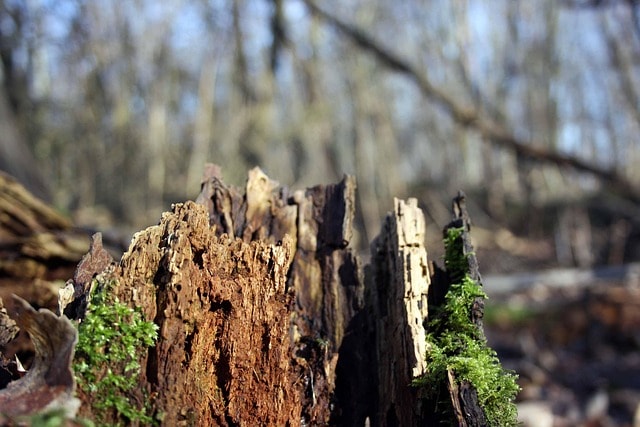
Why is Time of Year Important for Tree Removal?
The time of year plays a significant role in tree removal, impacting the cost, safety, and overall efficiency of the process. Generally, the best time for tree removal is during the dormant season, which typically spans from late fall to early spring. During this period, trees are less active, and the risk of damage to surrounding plants and structures is minimized.
Removing trees during the dormant season also helps prevent the spread of diseases and pests, which are more prevalent during the growing season. For instance, certain pests and fungi are less active in colder temperatures, reducing the likelihood of infestation spreading to other trees in your garden.
However, there are situations where emergency tree removal is necessary, regardless of the time of year. Storm damage, disease, or structural instability may require immediate attention to ensure safety. In such cases, hiring professional tree removal services is crucial to address the issue promptly and effectively.
Consulting with a professional tree removal service can help determine the best time for tree removal based on the specific needs of your tree and the local climate. Their expertise ensures that the removal process is conducted safely and efficiently, minimising any potential risks.
Choosing the Right Tree Removal Service
Selecting the right tree removal service is essential to ensure a safe and efficient process. Here are some factors to consider when choosing a tree removal company:
- Experience and Track Record: Look for a company with extensive experience in tree removal and a proven track record of success. Experienced professionals are more likely to handle complex removal jobs safely and efficiently.
- Insurance and Certifications: Ensure the company is fully insured and has the necessary certifications and licenses. This protects you from liability in case of accidents or damage during the removal process.
- Equipment and Technology: A reputable tree removal service should use high-quality, modern equipment and follow industry standards for safety and best practices. This includes tools like aerial lifts, chippers, and grinders.
- References and Reviews: Ask for references and read online reviews to gauge the company’s reputation and customer satisfaction. Positive feedback from previous clients is a good indicator of reliable service.
- Cost and Pricing: Obtain multiple quotes from different companies and compare prices and services. This helps ensure you’re getting the best value for your money without compromising on quality.
By doing your research and choosing a reputable tree removal service, you can ensure a successful and stress-free experience. Professional tree services in Sydney and other areas offer a range of options to meet your specific needs.
What to Look for in a Tree Removal Company
When searching for a tree removal company, several key factors should be considered to ensure you choose a reliable and trustworthy provider:
- Qualifications and Certifications: Look for companies with certified arborists and industry-recognized certifications, such as those from the International Society of Arboriculture (ISA) or the Tree Care Industry Association (TCIA). These certifications indicate a high level of expertise and adherence to industry standards.
- Insurance and Liability: Ensure the company has adequate insurance coverage, including liability insurance, to protect you and your property in case of accidents or damage. This is crucial for your peace of mind and financial protection.
- Equipment and Technology: Check if the company uses modern, well-maintained equipment and technology, such as aerial lifts, chippers, and grinders. Up-to-date tools can make the removal process more efficient and safer.
- Safety Record: Research the company’s safety record and ask about their safety protocols and procedures. A strong safety record indicates a commitment to protecting both their workers and your property.
- Customer Service: Evaluate the company’s customer service and communication skills. Responsive and clear communication is essential for addressing your concerns and ensuring a smooth removal process.
By considering these factors, you can find a reliable and trustworthy tree removal company that meets your needs and ensures a successful outcome. Professional tree lopping and removal services prioritize safety and customer satisfaction.
Tree Removal Cost and Pricing
The cost of tree removal can vary widely, depending on several factors, including the size and type of tree, its location, and the complexity of the removal process. Here are some general factors that can affect tree removal costs:
- Tree Size and Type: Larger trees, especially those with complex branch structures, can be more expensive to remove. The type of tree also plays a role, as some species require specialized removal techniques.
- Location: Trees located in hard-to-reach areas, such as near power lines or in tight spaces, may require specialized equipment and techniques, increasing the cost. Accessibility is a significant factor in determining the overall expense.
- Removal Method: The method of removal, such as cutting, pruning, or grinding, can impact the cost. Different methods require varying levels of labour and equipment.
- Debris Removal: The cost of removing debris, such as branches and leaves, can add to the overall cost. Some services include debris removal in their pricing, while others charge extra.
- Emergency Services: Emergency tree removal services, especially those required outside regular business hours, may incur additional costs. Urgent situations often demand immediate attention and specialized equipment.
It’s essential to get multiple quotes from different companies and compare prices and services to ensure you’re getting the best value for your money. Understanding tree removal costs helps homeowners budget for this essential service.
Factors Affecting Tree Removal Cost
Several factors can impact the cost of tree removal, including:
- Tree Height and Diameter: Taller and larger trees require more equipment and labor, increasing the cost. The size of the tree is a primary determinant of the overall expense.
- Branch Structure and Complexity: Trees with complex branch structures or multiple trunks can be more challenging to remove, increasing the cost. Intricate branch patterns require careful planning and execution.
- Location and Accessibility: Trees located in hard-to-reach areas or with limited access may require specialized equipment and techniques, increasing the cost. Proximity to structures or power lines can complicate the removal process.
- Type of Tree: Certain tree species, such as palm trees or trees with large root systems, may require specialized removal techniques, increasing the cost. The specific characteristics of the tree influence the removal strategy.
- Time of Year: Removing trees during peak season (spring and summer) may be more expensive than during the dormant season. Seasonal demand can affect pricing and availability of services.
- Local Regulations and Permits: Depending on your location, you may need to obtain permits or comply with local regulations, which can add to the cost. Legal requirements must be factored into the overall expense.
By understanding these factors, you can better estimate the cost of tree removal and plan accordingly. Professional tree services can provide detailed quotes and help you navigate the complexities of tree removal.
Preventing tree rot in your garden
Preventative care and regular tree maintenance are essential for keeping your garden healthy and free from the threat of tree rot. By adopting certain habits, you can help ensure your trees thrive. Regular tree servicing can help maintain tree health and prevent rot.
Regular tree trimming, maintenance, and care
Investing in regular maintenance is the best way to keep your trees healthy. Regular pruning helps remove dead or damaged limbs that could attract pests. You should also ensure your trees are adequately watered, especially during dry spells, to maintain their health.
Fertilisation plays a role as well; feeding your trees with the appropriate nutrients bolsters their resistance against diseases and pests that can lead to decay. Tree services encompass a wide range of offerings related to tree care, including pruning, trimming, and removal.
Choosing the right trees for your climate
Another essential step is selecting tree species that are well-suited to your specific climate and soil conditions. Native trees typically possess greater resilience to local pests and diseases. By researching the best species for your area, you can build a robust garden that is less susceptible to rot and decay. If a tree is not suited to the local environment and poses a risk of decay, a tree removal service may be necessary.
In conclusion, being proactive about tree health can make all the difference in maintaining a safe and beautiful environment in your garden. Regular inspections, professional advice, and appropriate care will keep tree rot at bay.
Emergency Arborist Services: When to Call for Urgent Tree Removal
When it comes to the safety and aesthetics of your property, trees play a pivotal role. However, there are times when tree maintenance escalates to emergency situations requiring immediate attention. In such circumstances, understanding the nature of emergency arborist services can make a significant difference. Below, we delve into the specifics of this crucial field, examining when and why you should seek professional help.
Understanding the Role of an Emergency Arborist
Emergency arborists are specialised professionals trained to handle urgent tree situations that may pose risks to health, safety, or property. Their role extends beyond mere removal; they assess, diagnose, and implement the best course of action while prioritising safety. These experts are crucial in managing situations involving damaged, diseased, or structurally compromised trees, including the removal of dead branches that threaten the surroundings. In addition to their technical skills, emergency arborists often work under pressure, making quick decisions that can significantly impact the safety of individuals and the integrity of structures nearby. Their ability to remain calm and focused during emergencies is essential, as they frequently encounter unpredictable scenarios, such as fallen trees during storms or hazardous branches that could fall at any moment. Handling large trees and ensuring the health of the whole tree requires specialised techniques to ensure safety and maintain the health of the trees, particularly in residential and commercial settings.
What is an Emergency Arborist?
An emergency arborist is a trained and certified professional who specialises in providing urgent tree care services, particularly in situations where a tree poses an immediate threat to people, property, or the environment. These experts are equipped to handle a wide range of tree-related emergencies, including fallen trees, broken branches, and hazardous tree conditions. They work quickly and efficiently to mitigate risks, prevent further damage, and restore safety to the affected area.
Emergency arborists are skilled in various techniques, including tree removal, tree pruning, and stabilisation. They are trained to manage the whole tree, ensuring that every part, from the roots to the canopy, is handled with care during emergencies. They use specialized equipment, such as cranes, aerial lifts, and chainsaws, to access and manage trees in emergency situations. Their expertise and prompt response can help prevent injuries, property damage, and even fatalities.
In addition to their technical skills, emergency arborists must also possess excellent communication and customer service skills. They work closely with homeowners, business owners, and other stakeholders to assess the situation, provide recommendations, and execute a plan to resolve the emergency. Their ability to convey complex information clearly and concisely ensures that everyone involved understands the necessary steps to restore safety.
The importance of professional tree services
Trees contribute significantly to the environment and enhance the beauty of our properties. However, not all tree care practices are equal. Professional arborists are equipped with the knowledge and tools required to manage tree health and safety adequately through professional tree services. They understand the intricacies of tree biology, including diseases, pests, and structural integrity determination, ensuring trees are maintained in a way that promotes longevity and safety. Professional arborists ensure the health and safety of the whole tree, from its roots to its canopy, promoting longevity and stability. Furthermore, the expertise of an arborist extends to understanding the ecological impact of trees within their environment. They can advise on species selection for planting, ensuring that new trees will thrive in their designated locations and contribute positively to local biodiversity. This holistic approach to tree care not only enhances aesthetic appeal but also supports the broader ecosystem, fostering a sustainable environment for future generations. Regular tree maintenance is crucial for ongoing care, ensuring the health and safety of trees while maximizing customer satisfaction.
The skills and qualifications of an emergency arborist
Emergency arborists must possess a blend of skills and qualifications that commonly include a degree in forestry, horticulture, or related fields. They should be certified, frequently holding certifications from recognised bodies such as the Arboricultural Association or the International Society of Arboriculture. Their training involves hands-on experience in tree identification, risk assessment, tree cutting, tree lopping, and removal techniques, ensuring they can respond effectively in emergencies. Their training ensures they can manage the whole tree, addressing issues from the roots to the canopy during emergencies. In addition to their formal education, successful emergency arborists often develop strong problem-solving skills and the ability to communicate effectively with clients and emergency services. This is particularly important when coordinating responses during crises, as they must convey complex information clearly and concisely to ensure everyone’s safety. Continuous professional development is also vital in this field, as arborists must stay updated on the latest techniques, tools, and regulations to provide the best possible service in an ever-evolving industry.
Experience and Reviews
When searching for a reliable tree removal service, it’s essential to consider their experience and reviews. A company with extensive experience in the industry is more likely to provide high-quality services and handle complex tree removal jobs. Look for a company with a minimum of four years of experience, but ten years or more is even better. Experienced professionals are adept at managing various tree-related challenges, ensuring that they can perform an amazing job regardless of the situation.
Reviews from previous customers can also give you an idea of the company’s reputation and the quality of their services. However, keep in mind that up to half of all reviews can be fake, so take them with a grain of salt. Instead, look for reviews from multiple sources, such as Google, Yelp, and Facebook, to get a well-rounded view of the company’s reputation. Consistent positive feedback across different platforms is a good indicator that the company performs a fantastic job and is trusted by its clients.
Insurance and Liability
When hiring a tree removal service, it’s essential to ensure that they have the necessary insurance coverage to protect you and your property in case of an accident. A reputable tree removal company should have:
- Public Liability Insurance: This type of insurance covers damages to people and property in case of an accident.
- Worker’s Compensation Insurance: This type of insurance covers injuries to the tree removal workers while on the job.
- Professional Indemnity Insurance: This type of insurance covers errors or omissions made by the tree removal company.
It’s crucial to ask for proof of insurance and verify the coverage with the insurance provider before hiring a tree removal service. This will give you peace of mind and protect you from potential liabilities. Ensuring that the tree removal service is adequately insured means that you won’t be held financially responsible for any accidents or damages that occur during the tree removal process. Ensuring that the tree removal service is adequately insured means that the whole tree, from roots to canopy, is covered in case of any accidents or damages.

Identifying the Signs of a Tree in Distress
To avoid emergencies, it is vital to recognise distress signals in trees early. Trees can exhibit various indications of stress, whether due to disease, pests, or environmental factors. Vigilance can help homeowners take appropriate action to keep trees healthy before situations escalate beyond control. Regular monitoring of the whole tree, from its roots to its canopy, can help in early detection of distress signals and prevent emergencies.
Warning signs of tree disease and the need for tree pruning
Tree diseases can manifest in several ways. Common signs include yellowing leaves, wilting, and unusual growth on branches. Additionally, fruits and flowers may fail to develop properly. Fungal growth on the trunk and a significant amount of deadwood can indicate serious issues. Monitoring your trees regularly and consulting with experts at the first sign of distress can prevent further complications. Utilizing professional tree pruning services can also help maintain the health and aesthetics of your trees. Professional tree pruning services ensure the health of the whole tree, promoting healthy growth and preventing disease. Furthermore, it is essential to be aware of the seasonal changes that can affect tree health. For instance, trees may naturally shed leaves in autumn, but if this occurs prematurely or excessively, it could be a sign of underlying health problems. Regular inspections during different seasons can provide valuable insights into the overall condition of your trees.
Recognising structural damage in trees
Structural damage can be more challenging to diagnose but is equally critical. Signs such as cracks in the trunk or major branches, leaning to one side, or the presence of root rot can subtly signal serious structural inadequacies. If these symptoms are detected, immediate consultation with an emergency arborist is advisable to prevent devastating failures. Additionally, environmental factors such as heavy winds, soil erosion, and nearby construction can exacerbate these issues. It is prudent for homeowners to assess their trees after severe weather events, as even minor disturbances can lead to significant structural weaknesses. Keeping an eye on the tree’s overall posture and the condition of the surrounding soil can provide further clues to its stability and health. Assessing the whole tree, from its roots to its canopy, is crucial in identifying and addressing structural damage.
The risks of ignoring a hazardous tree
The risk associated with neglecting hazardous trees cannot be overstated. Ignoring warning signs can lead to unexpected situations that endanger lives and property. Ignoring the health of the whole tree can lead to unexpected hazards that endanger lives and property. Stump removal is also crucial to prevent regrowth, decay, and pest attraction, ensuring the safety and aesthetics of your garden. Awareness of these risks is essential for all property owners.
Potential damage to property
A fallen tree can lead to significant damage to roofs, cars, fences, and landscaping. The costs associated with repairing such damage can be substantial, and these events often happen unexpectedly during storms or high winds. By addressing potential hazards proactively and hiring local tree removal services, homeowners can save themselves from expensive repairs and ensure the safety of their property. By addressing the health and stability of the whole tree, homeowners can prevent significant damage to their property.
Safety hazards posed by unstable trees
Unstable trees are not merely a property hazard; they pose a direct threat to human safety. If a tree falls, it can cause serious injury or even fatalities. Factors like nearby playgrounds, walking paths, and roads increase the urgency for homeowners to monitor their trees and seek professional advice when necessary. Ensuring the stability of the whole tree is crucial in preventing safety hazards and potential injuries.
Professional tree trimming is a crucial preventive measure to maintain the structural integrity of trees and prevent potential hazards.
When to call for Emergency Tree Removal Services
Emergency tree removal is sometimes unavoidable. Knowing when to make the call can save lives and reduce property damage. It’s essential for property owners to be informed about the circumstances that necessitate this action. If a tree poses an immediate threat or has already fallen, contacting an emergency arborist for tree lopping and removal should be your first step. Assessing the condition of the whole tree can help determine the urgency of calling for emergency tree removal services.
Assessing the urgency of the situation
When considering the urgency of a tree condition, factors such as the extent of damage, location, and overall stability must be evaluated. If a tree poses an immediate threat or has already fallen, contacting an emergency arborist should be your first step. Smaller trees may be assessed for their potential to be relocated instead of removed entirely, which can be a more manageable option. Additionally, if you’re in doubt about a tree’s stability, erring on the side of caution and consulting with a professional can lead to safer outcomes. Evaluating the stability and health of the whole tree is essential in determining the urgency of the situation.
Making the call: steps to take
It’s essential to act quickly, but there are steps to consider before making that call. Firstly, document the condition of the tree with photographs and notes. Documenting the condition of the whole tree can aid the arborist in understanding the situation better. Next, assess the immediate area for safety hazards and evacuate any individuals who may be in close proximity to the tree. Finally, contact a certified emergency arborist and explain the situation clearly, providing them with as much detail as possible to facilitate swift action. If the issue involves a small tree, it is generally easier and more cost-effective to handle compared to larger ones, requiring less time and fewer resources for maintenance.
The process of emergency tree removal
Once you’ve contacted an emergency arborist, it is helpful to know what to expect during the tree removal process. The tree-cutting and removal process itself can vary based on the tree’s size and location. Understanding these steps can ease any anxiety you may have surrounding the operation. The removal process involves careful planning and execution to ensure the safety of the whole tree and surrounding structures.
Initial assessment and planning
When the emergency arborist arrives, their first step will typically involve assessing the situation. They will evaluate the tree, surrounding structures, and potential hazards. The arborist will evaluate the whole tree, from its roots to its canopy, to formulate a comprehensive removal plan. Based on their assessment, they will formulate a plan that maximises safety and efficiency during the removal process. Regular tree maintenance is crucial for ongoing care, ensuring the health and safety of trees.
The removal process explained
The tree removal process itself can vary based on the tree’s size and location. Generally, it includes securing the area, felling the tree in a controlled manner, and safely removing the debris. The arborist will utilise specialised equipment to ensure that everything is handled correctly as part of their professional tree services. The arborist will ensure that the whole tree is removed safely and efficiently, minimising any potential hazards. After the tree has been safely removed, they will often discuss with you the next steps, such as repairs to any damage caused or advice on replacing the tree.
Emergency tree removal is a critical service that protects both people and property. Understanding the role of emergency arborists and how to identify hazardous trees not only keeps your surroundings safe but also promotes healthy tree care practices. Always remember, when in doubt, it is better to consult an expert than to take unnecessary risks.
Canopy Lifting and Thinning
Canopy lifting and thinning are two essential tree pruning services that can significantly improve the health and appearance of your trees. Canopy lifting involves removing low-hanging branches to create a higher canopy structure, which can prevent powerline and other safety hazards. This service can also enhance the overall appearance of a tree by allowing more sunlight to filter through, promoting healthier growth and a more vibrant landscape.
Canopy thinning, on the other hand, involves selectively removing bits of foliage from the tree or the whole canopy area. This service does not change the tree’s overall structure or shape but can improve air circulation and sunlight penetration. By thinning the canopy, you can promote healthy growth and reduce the risk of disease and pests. Regular canopy thinning can keep your trees healthy and ensure they continue to thrive in their environment.
Crown Reduction and Selective Pruning
Crown reduction and selective pruning are two tree pruning services that can help maintain the health and appearance of your trees. Crown reduction involves removing the very top branches to make the tree shorter and less bulky. This service can improve the tree’s appearance and reduce its size, making it more manageable and less likely to cause damage during storms or high winds.
Selective pruning, on the other hand, involves removing dead and dying branches and problem areas. This service promotes healthy growth, form, and shape and can improve the overall appearance of a tree. By removing dead and dying branches, you can reduce the risk of disease and pests and prevent damage to your property. Regular selective pruning ensures that your trees remain healthy and aesthetically pleasing, contributing to the overall beauty and safety of your landscape.
Cost and Pricing of Emergency Tree Services
The cost of emergency tree services can vary widely depending on several factors, including:
- Location: Tree removal services in urban areas tend to be more expensive than those in rural areas.
- Tree size and complexity: Larger trees or those with complex branch structures require more time, equipment, and expertise, increasing the cost.
- Urgency: Emergency tree services that require immediate attention may incur higher costs due to the priority nature of the work.
- Equipment and labour: The type and quantity of equipment, as well as the number of workers required, can impact the overall cost.
The cost can also be influenced by the need to manage the whole tree, from its roots to its canopy.
On average, the cost of emergency tree services can range from $500 to $5,000 or more, depending on the scope of the work. It’s essential to get quotes from multiple licensed and insured tree removal companies to compare prices and services. By doing so, you can ensure that you receive a fair price and that the company you choose is capable of handling the job safely and efficiently.
Questions to Ask When Hiring an Emergency Arborist
When hiring a tree removalist, it’s crucial to ask the right questions to ensure you’re getting a qualified and reliable service. Here are some questions to ask:
- Are you licensed and insured?
- What experience do you have with tree removal and tree pruning?
- Can you provide references or reviews from previous customers?
- What equipment and techniques do you use for tree removal and tree pruning?
- How will you protect my property and surrounding trees during the removal process?
- What is your pricing structure, and are there any additional fees?
- Do you offer a warranty or guarantee for your work?
- How will you dispose of the removed tree and debris?
- Can you provide a detailed plan and timeline for the removal process?
- Are you certified by a reputable arborist organization, such as the International Society of Arboriculture (ISA)?
- How do you ensure the health and safety of the whole tree during the removal process?
By asking these questions, you can ensure that you’re hiring a qualified and reliable tree removalist who will provide excellent service and protect your property. A professional tree removalist should be able to answer these questions confidently and provide the necessary documentation to back up their claims. This due diligence will help you find a service that will do a fantastic job and leave your property safe and well-maintained.
How to Select a Great Tree Service Near You
Selecting a great tree service near you requires some research and due diligence. Here are some tips to help you find a reliable and professional tree service:
- Check for qualifications: Ensure the tree service is fully qualified and insured. Look for certifications from reputable organizations, such as the International Society of Arboriculture (ISA).
- Check for experience: Look for a company with extensive experience in the industry. A minimum of four years of experience is recommended, but ten years or more is even better.
- Check for reviews: Look for reviews from multiple sources, such as Google, Yelp, and Facebook. Take reviews with a grain of salt, but look for patterns of positive or negative feedback.
- Check for equipment and safety procedures: Ensure the tree service has the necessary equipment and safety procedures in place to handle complex tree removal jobs.
- Check for insurance: Ensure the tree service has public liability insurance and worker’s compensation insurance to protect you and your employees in case of an accident.
- Check for attire: Pay attention to how the tree service presents itself. A professional tree service will have clean and well-maintained equipment, uniforms, and vehicles.
- Check for approval: Ensure the tree service asks about approval for tree removal and has the necessary permits and licenses to operate in your area.
By following these tips, you can find a reliable and professional tree service near you that can provide high-quality services and handle complex tree removal jobs. A thorough vetting process ensures that the company you choose will do an amazing job, leaving your property safe and well-maintained.
Why Professional Tree Removal on the North Shore Protects Your Property
Tree removal is a critical aspect of property maintenance on the North Shore, where the intertwined natural beauty and residential spaces often present unique challenges. The importance of engaging professionals when it comes to this task cannot be overstated, as it not only safeguards your property but also ensures the preservation of the surrounding landscape. Here, we explore the multifaceted benefits of professional tree removal and why it’s essential for homeowners in this verdant area.
Understanding the Importance of Professional Tree Removal
Professional tree removal is indispensable for maintaining the health and integrity of your property. Trees, while beautiful and vital to the ecosystem, can pose significant risks in certain circumstances. Whether due to disease, structural instability, or proximity to buildings, the need for tree removal must be assessed thoroughly by experienced professionals.
The Role of Tree Removal in Property Protection
The foremost benefit of professional tree removal is the protection it affords your property. Trees that are diseased or dying can become hazardous over time, with the potential to fall during storms or strong winds, damaging roofs, vehicles, or even harming individuals. By removing such trees proactively, you mitigate these risks, ensuring the safety of your property and its occupants.
Moreover, tree roots can cause damage to underground utilities and paved surfaces, leading to costly repairs. Professionals utilise their expertise to identify and remove trees that may pose such risks, effectively protecting your property investment.
In addition to physical safety, the presence of hazardous trees can also lead to increased insurance premiums or complications in claims. Insurance companies often view the failure to remove dangerous trees as a neglect of property maintenance, which can complicate matters in the event of an accident. Therefore, engaging professional tree removal services not only safeguards your immediate environment but also contributes to long-term financial security.
How Tree Removal Contributes to Landscape Preservation
Beyond mere property protection, professional tree removal plays an integral role in the broader context of landscape preservation. By removing invasive species or trees that overshadow more desirable plants, you create a healthier ecosystem. This fosters the growth of native flora, thereby enhancing the natural beauty and biodiversity of the area.
A well-maintained landscape not only increases the aesthetic appeal of your home but can also boost its market value. Thus, professional tree removal serves as a form of landscape management, ensuring that your outdoor space flourishes.
Additionally, the careful removal of trees can open up space for new planting opportunities. This can be particularly beneficial in urban areas where green spaces are limited. By strategically removing certain trees, homeowners can introduce a variety of plants that attract local wildlife, promote pollination, and enhance the overall ecological balance. Such practices not only enrich the environment but also create a more inviting and vibrant outdoor space for families and communities alike.
The Process of Professional Tree Removal on the North Shore
The methodical approach taken by tree removal professionals is what distinguishes their service from DIY attempts. The process begins with a comprehensive assessment of the site, considering various factors such as the type of trees present and their proximity to structures.
Initial Assessment and Planning
During the initial assessment, professionals evaluate the health and stability of trees and identify those that require removal. This assessment is crucial, as it informs the planning stage, where safety measures, the best removal methods, and the necessary equipment are determined.
Planning is essential, especially in residential areas where falling timber may endanger property. Professionals devise strategies to ensure that the tree is removed efficiently and safely, taking all potential risks into account. They also consider the surrounding environment, including nearby power lines, other vegetation, and even wildlife habitats, which may be affected by the removal process. This thorough planning phase not only safeguards property but also ensures compliance with local regulations regarding tree removal, which can vary significantly across different regions.
Execution and Clean-up
The execution of tree removal is a meticulous process, often involving specialised equipment. Experts utilise cranes, wood chippers, and safety gear to ensure the task is performed safely. The attention to detail during this phase is what makes hiring professionals worthwhile. Each cut is calculated, and the direction of the fall is carefully controlled to minimise any potential damage to surrounding structures or landscapes.
Furthermore, the clean-up after removal is professionally handled, as debris and stump grinding are essential to restore the area. This comprehensive service ensures that your property is left tidy and ready for future landscaping or construction. The professionals often take the extra step of recycling the wood, turning it into mulch or firewood, which can be beneficial for the environment and the local community. By ensuring that every aspect of the tree removal process is managed with care, these experts not only enhance the safety and aesthetics of your property but also contribute positively to the broader ecological landscape of the North Shore.
Risks Associated with DIY Tree Removal
Many homeowners might consider tackling tree removal themselves, lured by potential cost savings. However, this approach is fraught with risks that can lead to dangerous outcomes.
Potential Damage to Property
Attempting to remove a tree without the right experience and tools can result in significant property damage. Without a proper understanding of how to angle falls, a tree might land on your home, vehicle, or neighbouring properties, leading to expenses that far exceed the cost of hiring professionals.
The risk of collateral damage is too great. Professionals have the skills to ensure that trees are felled in a controlled manner, safeguarding the surrounding area. Moreover, they are equipped with advanced machinery that can handle the complexities of tree removal, such as stump grinding and debris clearance, which are often overlooked by the untrained eye. This means that not only is the tree removed safely, but the site is also left tidy and ready for future landscaping or construction work.
Safety Hazards for Individuals
In addition to potential property damage, DIY tree removal poses severe safety hazards for individuals. The operations involved in tree removal, such as climbing and cutting, present numerous dangers, including falls, equipment accidents, and injury from falling branches.
Professional tree removal companies not only abide by safety regulations but also carry the necessary insurance, thereby protecting both their workers and homeowners from liability. Engaging experts ensures the safety of all involved, allowing you to rest easy. Furthermore, trained arborists are adept at identifying potential hazards that an untrained individual may overlook, such as the presence of power lines or the health of the tree itself. This knowledge can prevent accidents and ensure that the removal process is executed with the utmost care, preserving the safety of the entire neighbourhood.
The Environmental Impact of Tree Removal
When contemplating tree removal, it’s imperative to consider its environmental implications. Professionals are well-versed in balancing the removal of trees with the overarching goal of sustainability, ensuring that such actions contribute positively to the ecosystem.
Balancing Tree Removal with Sustainability
Responsible tree removal prioritises sustainability, recognising that while some trees may need to be removed, not all do. Professionals assess the overall health of the landscape and aim to minimise adverse effects, favouring selective removal over clear-cutting.
By working with nature, they can help maintain the ecological balance, allowing other plants to thrive and facilitating the growth of new trees where appropriate. This approach not only preserves the existing flora but also encourages biodiversity, as a varied plant life supports a wider range of animal species. Furthermore, the careful management of tree populations can enhance the aesthetic appeal of an area, promoting a healthier environment for both wildlife and human inhabitants alike.
Mitigating the Impact on Local Wildlife
Tree removal can disrupt local wildlife habitats, a point that professional services take very seriously. Experts formulate plans that take into consideration the timing of removal, avoiding critical periods for nesting or breeding. Such measures ensure that the impact on local wildlife is minimal.
Additionally, it is crucial to understand that many species rely heavily on trees for their survival, whether for shelter, food, or breeding grounds. By conducting thorough assessments, professionals can identify alternative habitats for displaced wildlife, ensuring that these creatures are not left vulnerable. Moreover, post-removal strategies such as replanting native species can further aid in restoring the habitat, creating a more resilient ecosystem that can support a diverse array of wildlife in the long term. Ultimately, the local ecosystem remains preserved, highlighting the importance of informed and responsible tree removal practices.
Choosing the Right Tree Removal Service
With the plethora of services available, selecting the right tree removal service is vital for ensuring your property is safeguarded effectively. Understanding what constitutes a qualified service can streamline your decision-making process.
What to Look for in a Professional Service
When searching for a professional tree removal service, look for credentials such as proper licensing and insurance. Companies with certified arborists on staff demonstrate a commitment to proper practices and ongoing education in tree care.
Client reviews and recommendations can also provide valuable insights into the reliability and professionalism of a service, so take the time to gather this information before making a choice.
Questions to Ask Before Hiring a Tree Removal Service
Engaging a tree removal service is an important decision, and asking the right questions can help ensure that you choose wisely. Inquire about their experience with similar jobs, the techniques they employ, and how they handle cleanup after the work is completed.
Furthermore, discussing warranties or guarantees on their work can offer peace of mind. The right service should be transparent and willing to address all your concerns, ensuring your confidence in their expertise.
In conclusion, professional tree removal is an essential consideration for homeowners on the North Shore. Protecting your property and landscape, ensuring safety, and maintaining environmental integrity are just a few of the reasons to engage qualified professionals for this important task.
Fast and Reliable Tree Removal in the Inner West – When to Call an Arborist
Removing trees can often be a necessary task for homeowners in the Inner West. Whether due to disease, damage, or simply the need for landscaping modifications, understanding the nuances of tree removal is vital. This article delves into the reasons for tree removal, the processes involved, and when you should seek professional help from an arborist.
Understanding the need for tree removal
The decision to remove a tree is not one to be taken lightly. Trees can pose various benefits to your property, such as shade, aesthetic value, and ecological balance. However, there are circumstances where removal is not just beneficial, but essential.
The importance of professional tree removal
Engaging a professional tree removal service is critical for ensuring safety and efficiency. Experienced arborists possess the necessary training and tools to manage tree removal safely. The risks associated with improper handling can lead to personal injury, damage to surrounding structures, and additional costs due to poor execution.
Moreover, professionals are knowledgeable about the best practices in environmental stewardship. They can assess the ecological impact of tree removal, offering solutions that promote the health of your landscape. For instance, they may suggest planting new trees in place of those that are removed, thus maintaining the balance of your garden and contributing positively to the local ecosystem.
Identifying potential risks of unhealthy trees
Understanding the condition of your trees is essential in determining whether removal is necessary. Unhealthy trees can have several indicators, including dead branches, peeling bark, and signs of disease or infestation. If a tree appears unstable or has a significant amount of disease, it can pose a risk to your home and the people around it.
Regular inspections of your trees can help alert you to potential issues before they escalate. Additionally, fallen branches or uprooted trees after storms highlight the urgent need for assessment and potential removal. It is also worth noting that certain species of trees are more susceptible to diseases and pests, which can further complicate their health. Understanding the specific needs and vulnerabilities of the trees on your property can empower you to take proactive measures, ensuring that your landscape remains safe and vibrant.
The process of fast and reliable tree removal
When the decision is made to remove a tree, understanding the process involved can help manage expectations and enhance safety. It involves a series of steps that ensure the removal is conducted efficiently and with minimal disruption.
Initial assessment and planning
The first step in tree removal is the initial assessment. An arborist will inspect the tree and its surroundings to gauge the risks involved in the removal process. This assessment will include considerations such as the tree’s size, location, and proximity to power lines or structures.
After evaluating the conditions, a plan of action will be developed. This includes selecting the right equipment and method for the job, whether it requires a crane, chainsaw, or rigging systems. Proper planning is crucial to ensure that the tree can be removed swiftly and safely. Additionally, the arborist will take into account the time of year, as certain seasons may affect the tree’s stability and the surrounding environment. For instance, removing a tree during the dormant season can often be less disruptive to local wildlife and ecosystems.
Execution and safety measures
The execution of the tree removal begins with the implementation of safety measures. Arborists will wear protective gear and will often cordon off areas to keep bystanders safe. The tree is systematically dismantled, rather than removed in one piece, which reduces the risk of damage during the removal.
Specialised techniques may be employed based on the specific circumstances surrounding the tree. For example, if a tree is located close to valuable structures, a careful sectioning and lowering of branches may be necessary to avoid damage. Furthermore, the arborist may utilise a method known as ‘felling’, where the tree is cut at a precise angle to control its direction of fall. This technique requires considerable skill and experience, as it allows for a more controlled removal, especially in tight spaces where the risk of collateral damage is heightened. The entire process is meticulously timed and coordinated to ensure that all safety protocols are adhered to, thus safeguarding both the workers and the surrounding environment.
Arborists in the Inner West: Your tree removal experts
When considering tree removal, it’s essential to hire a knowledgeable arborist who understands the local environment. Arborists in the Inner West are trained to handle various tree-related challenges while adhering to environmental best practices.
The role of an arborist in tree removal
An arborist plays a critical role in the tree removal process, serving not just as a labourer but also as an advisor. Their expertise allows them to assess various factors affecting the decision to remove a tree.
Moreover, arborists can recommend alternatives when feasible, such as tree trimming or disease management, especially if the tree can be saved. Their comprehensive understanding of tree biology and pests ensures that the most informed decisions are made throughout the removal process. In addition to their technical skills, arborists often engage with clients to educate them about the importance of trees in urban ecosystems, highlighting how trees contribute to air quality, biodiversity, and even property value. This holistic approach not only benefits the immediate project but also fosters a greater appreciation for the natural environment within the community.
Qualifications and skills of a professional arborist
Qualifications of a professional arborist include certifications in tree care techniques, safety protocols, and ecological education. Most arborists will have undergone rigorous training, often including apprenticeships and ongoing education to stay updated with best practices.
Additionally, skills such as tree climbing, rigging, and the use of heavy machinery are essential in their role. The capability to make swift, safe decisions during the process can mean the difference between a smooth operation and a disaster. Beyond technical skills, effective communication is crucial; arborists must be able to explain complex concepts in a way that clients can understand, ensuring that everyone involved is informed and comfortable with the decisions being made. Furthermore, a deep-rooted passion for trees and nature often drives these professionals, motivating them to advocate for sustainable practices and the preservation of green spaces in urban settings.
Deciding when to call an arborist
Identifying the correct timing to call an arborist is essential for the longevity and health of your landscaping. Various signs can indicate that professional assistance is warranted.
Signs your tree may need professional attention
Several warning signs can prompt you to call an arborist for evaluation:
- Visible decay or hollow spots in the trunk
- Branches that are dead or dying
- Roots that are exposed or damaged
- Overhanging branches that pose a risk
- Rapidly changing seasonal appearance
If you observe any of these signs, it’s advisable to consult with a professional. Ignoring these warnings can result in emergencies that could have been avoided.
The benefits of timely intervention
Timely intervention can save you from costly emergency services in the future. Early removal or treatment of unhealthy trees can mitigate damage to surrounding landscaping and properties, preserving the integrity of your home environment.
Moreover, prompt action often results in healthier overall landscaping as it prevents further spread of disease or infestation to other flora in your garden. Regular assessments by an arborist can also enhance the aesthetic appeal of your outdoor space, ensuring that your trees remain vibrant and well-maintained. A professional can provide tailored advice on the best practices for pruning, fertilisation, and pest management, which can lead to a more flourishing garden.
Additionally, engaging an arborist not only addresses immediate concerns but also fosters a long-term relationship with an expert who understands the specific needs of your local ecosystem. This can be particularly beneficial in regions prone to certain pests or diseases, as the arborist can implement preventative measures and offer insights into the best species of trees and plants that will thrive in your environment, ultimately contributing to a more sustainable landscape.
Navigating tree removal regulations in the Inner West
Tree removal is often regulated by local laws, making it crucial to understand the legal requirements before proceeding with any removal work. The Inner West has specific rules that homeowners must comply with to ensure responsible practices.
Understanding local tree protection laws
Local councils are responsible for enforcing tree protection laws which may prevent the removal of certain trees. These laws are designed to maintain biodiversity and protect heritage trees, which often have significant ecological and aesthetic value.
It’s important to investigate whether your tree is protected under local legislation before proceeding with removal. Failure to comply can result in hefty fines and legal repercussions.
Securing necessary permissions for tree removal
If your tree is subject to local protective laws, you will need to secure the necessary permits before any removal can take place. This often involves filling out applications and providing evidence of the tree’s condition.
Engaging with a Sydney arborist who understands the local regulations can expedite this process. They can assist with the paperwork, ensuring compliance and helping you navigate any objections that may arise from the local council.
In conclusion, when faced with the decision to remove a tree, being informed about the processes involved and knowing when to call an arborist can save you time, money, and stress. The Inner West is home to numerous qualified professionals who can assist you in maintaining a safe and beautiful environment.
Tree Removal in the Blue Mountains for Storm-Damaged Trees
Understanding the need for tree removal after a storm
Storms can wreak havoc in the Blue Mountains, leading to situations where trees sustain immense damage. Whether due to high winds, torrential rain, or lightning strikes, the necessity for tree removal services becomes a pressing concern for many homeowners and landowners in the area. It’s vital to understand that the aftermath of a storm isn’t just about clearing fallen branches; it’s a matter of safety, property protection, and ecological balance.
The immediate aftermath of a storm often leaves landscapes altered, with uprooted trees, snapped branches, and debris scattered across properties. Trees that have suffered damage can become unstable, posing risks to nearby structures and individuals. Even trees that appear intact may have underlying structural issues that can lead to future hazards, making tree removal an essential step in post-storm recovery.
The impact of storms on trees in the Blue Mountains
The unique ecosystem of the Blue Mountains means that storm impacts can vary greatly among tree species. Some trees may recover quickly, while others can suffer severe long-term damage. For instance, species like Eucalyptus, which are common in the area, may be particularly susceptible to wind throw when their root systems are compromised by saturated soil.
Furthermore, storms can exacerbate pre-existing issues, such as disease or infestation. A damaged tree might not just be structurally unsound, but it could also become a breeding ground for pests or diseases that can affect surrounding flora. Understanding these dynamics is crucial in making informed decisions about tree removal.
Identifying storm-damaged trees that need removal
Not all storm-damaged trees require immediate removal; some may simply need pruning or care. However, specific symptoms can indicate that a tree should be cut down. Look for signs such as extensive cracking in the trunk, significant loss of leaves, or a tilting posture that suggests root disturbance.
If the tree has split branches or the bark is severely damaged, it may be time to consider removal. Consulting an arborist can provide professional insights into whether a tree recovery is possible or if removal is the best option for safety.
In addition to visual inspections, it is also wise to monitor the surrounding environment for changes that may indicate a tree’s decline. For example, if a tree begins to shed bark or produces an unusual amount of sap, these could be signs of stress or disease that warrant further investigation. The role of an experienced arborist cannot be overstated; they possess the expertise to assess the health of a tree accurately and recommend the most appropriate course of action. Their knowledge extends beyond just the immediate effects of storm damage, as they can also advise on the long-term implications for the ecosystem and the best practices for replanting and restoration.
Moreover, the emotional aspect of tree removal should not be overlooked. Many homeowners have a deep connection to the trees on their property, viewing them as integral parts of their landscape and history. Therefore, the decision to remove a tree, especially one that has stood for decades, can be a difficult one. Understanding the balance between emotional attachment and safety is crucial, and seeking guidance from professionals can help navigate this challenging process while ensuring the well-being of the surrounding environment.
The process of tree removal in the Blue Mountains
The actual process of tree removal can be intricate and varies based on the tree’s size, condition, and location. It is vital to approach tree removal with a comprehensive plan that prioritises safety and legality.
First, a thorough assessment of the tree’s condition is necessary. This includes evaluating its proximity to structures, power lines, and other trees. Understanding these factors helps to determine the technique that will be most effective in the removal process.
Safety measures during tree removal
Safety should always be paramount during tree removal. This involves employing proper protective gear, such as helmets, gloves, and goggles, to shield against potential hazards. Additionally, it is crucial to establish a safe perimeter around the removal area to keep bystanders at a safe distance.
Communication among the tree removal team members is essential throughout the process. This ensures that everyone is aware of their roles and can respond quickly to any unforeseen circumstances that may arise during the operation.
Tools and techniques for effective tree removal
The tools required for effective tree removal can vary based on the size of the tree and the complexity of the removal. Chainsaws are typically the primary tool, but hand saws and loppers may also be necessary for smaller branches and foliage.
Techniques can include the use of a felling cut, where specific angles are employed to guide the direction of the fall, or the use of a rope system to lower large branches safely. It’s important that only those who are trained and experienced handle the equipment, as incorrect usage can lead to accidents.
Legal considerations for tree removal in the Blue Mountains
Tree removal is not just a matter of personal choice; it often involves legal considerations that must be taken into account. Understanding local regulations is vital for responsible tree management and avoiding potential fines or legal disputes.
It is essential for homeowners to familiarise themselves with any tree protection orders or conservation regulations that may be in place within their local councils. These regulations are designed to protect the native fauna and flora, and unlawfully removing a protected tree could have significant repercussions.
Local regulations for tree removal
Local councils in the Blue Mountains often have specific guidelines regarding which trees can be removed and under what circumstances. Many councils require property owners to report any significant changes to tree status, particularly if trees are deemed landmark species or are situated within conservation areas.
To navigate these regulations, it is advisable to contact the local council or seek legal advice to ensure compliance before proceeding with any removal actions. Understanding these legal frameworks not only contributes to preserving the environment but also protects homeowners’ interests.
Obtaining necessary permissions for tree removal
If a tree is protected under local law, homeowners may need to apply for a permit before removing it. This process can sometimes be lengthy and requires documentation of the tree’s condition and reasons for removal.
In situations where a tree poses an immediate threat to life or property, emergency removal permits can sometimes be expedited. It is critical to document the condition of the tree, ideally with photographs and expert assessments, to support such applications.
Hiring professional tree removal services
When it comes to tree removal, enlisting the help of professional services is often the best route. Professionals bring specialised knowledge, experience, and equipment that can ensure both safety and efficiency during the removal process.
Attempting to remove large or damaged trees without expert assistance can be hazardous. Professional services can provide comprehensive solutions, including assessments, safe removals, and post-removal care, resulting in a smoother process for homeowners.
Benefits of hiring professionals for tree removal
Hiring professionals offers numerous advantages, including access to advanced equipment that can make the removal process safer and more efficient. Experts are trained to assess the risks and employ techniques that mitigate hazards during removal.
Moreover, professional services usually carry insurance, protecting homeowners from potential liabilities associated with accidents that may occur during the removal process. This peace of mind can significantly reduce the stress involved in challenging tree management situations.
Choosing the right tree removal service in the Blue Mountains
Selecting the right tree removal company requires research and consideration. Homeowners should seek companies with a solid reputation, relevant certifications, and positive reviews from past clients. Asking for recommendations from neighbours or local gardening associations can also be beneficial.
Always request detailed quotes and inquire about the services provided, including any post-removal site management. Understanding what to expect can help ensure that the tree removal process meets your specific needs while adhering to safety and legal standards.
Post-removal care and tree replanting
Once a tree has been removed, the focus shifts to post-removal care and potentially replanting a new tree. Effective site management can significantly impact the health of the surrounding ecosystem, and a proper strategy should be put in place.
Cleansing the area of any debris and ensuring the soil is adequately prepared is crucial for promoting new growth. This might include aeration of the soil, adding organic matter, or even consulting an expert on suitable tree species for the specific location.
Importance of post-removal site clean-up
Post-removal cleanup might seem like a tedious task, but it’s essential for both aesthetics and the health of the remaining trees. Removing stumps, roots, and debris prevents potential pests from settling in the area and deters diseases that might affect newly planted trees.
Additionally, clearing the site prepares a fresh canvas for new growth, ensuring that the surrounding flora receives ample light and nutrients without competition from leftover materials. This clean-up helps foster a thriving environment for both new and existing vegetation.
Guidelines for replanting trees after removal
Replanting after tree removal can rejuvenate your landscape and help maintain ecological balance. When considering what to plant, choose species that are well-suited to the local climate and soil conditions. Native species often provide the best results in terms of growth and sustainability.
It is also critical to consider the planting location, ensuring that new trees have enough space to thrive without competing with nearby flora for resources. Proper planting techniques, such as digging a wide hole and ensuring adequate drainage, can significantly improve the chances of successful establishment.
By approaching tree removal and replanting thoughtfully, homeowners can contribute to the vitality of the Blue Mountains while ensuring their properties remain safe and beautiful.
The Cost and Process of Tree Removal on the Central Coast and Whether It Is Worth It
When it comes to maintaining a property, trees play an essential role in aesthetics, privacy, and ecology. However, there are times when tree removal becomes necessary due to safety hazards or their deteriorating condition. This article delves into the intricacies of tree removal on the Central Coast, examining its processes, costs, and environmental considerations to assess whether it is truly worth the investment.
Understanding the process of tree removal on the Central Coast
The journey towards tree removal begins with understanding the specific protocols involved. Homeowners often wonder who to contact and what to expect during this often daunting process. Familiarising oneself with the stages of tree removal helps alleviate some apprehensions.
The initial assessment: What to expect
The first step in the tree removal process is an extensive assessment carried out by a professional arborist. During this stage, they evaluate the tree’s health, stability, and location relative to surrounding structures. Homeowners should be prepared to point out any issues, such as disease, decay, or proximity to power lines. This assessment often leads to a thorough discussion on the necessity of removal and potential alternatives.
Additionally, an expert will advise on the local regulations and necessary permits required for tree removal, which can frequently vary across different communities on the Central Coast. This adherence to legal guidelines ensures that the process is safe and compliant. Understanding these regulations is vital, as failure to comply can result in fines or delays. Homeowners might also be encouraged to explore options for tree preservation or relocation, especially if the tree holds significant ecological or aesthetic value.
The removal process: Step by step
Once the assessment establishes that removal is indeed necessary, the actual process can begin. It typically involves several steps:
- Preparation: The area around the tree is cleared to create a safe working environment.
- Cabling and bracing: If there are concerns about falling branches, the arborist may use cables for additional support.
- Cutting: The tree is cut down in sections, starting from the top to ensure safety and control during the fall.
- Stump removal: And lastly, the stump is either ground down or removed entirely, depending on the homeowner’s preference.
This process can vary in duration, depending on the size of the tree and the conditions of the surrounding area. It’s crucial to choose a skilled professional, as their expertise significantly impacts the outcome and safety of the operation. Furthermore, homeowners should consider the environmental impact of tree removal. Many companies now offer eco-friendly disposal options, such as chipping the wood for wood chip mulch or donating the timber for reuse, which can help mitigate the ecological footprint of the removal process. Engaging with a service that prioritises sustainability not only benefits the local ecosystem but also aligns with the growing awareness of environmental stewardship within our communities.
The cost breakdown of tree removal
One of the most pressing concerns for homeowners considering tree removal is the associated costs. Understanding how much to budget can help alleviate financial worries. Various factors influence the pricing, which we will outline below.
Factors influencing the cost
The cost of tree removal is not a one-size-fits-all figure; several variables come into play, including:
- Tree height and width: Larger trees typically require more effort and time to remove, thus increasing the cost.
- Accessibility: If the tree is in a hard-to-reach location, it may call for special equipment or additional manpower.
- Condition of the tree: If the tree is dead, it may be easier to remove, but living trees can require careful cutting and handling.
- Location: The Central Coast has diverse geographical features; trees in residential areas may incur different costs than those in remote locations.
Average costs for tree removal on the Central Coast
On average, homeowners on the Central Coast can expect to pay anywhere between £300 to £1,500 for tree removal. Small trees may fall at the lower end of this scale, while larger specimens could push costs well into the higher range. It is advised to seek multiple quotes from licensed arborists to achieve the best value without compromising quality.
In certain cases, additional services such as stump grinding or debris removal may be required, potentially increasing the overall expenditure. Therefore, it is wise for homeowners to clarify all potential costs during the initial assessment to avoid unexpected charges later in the process.
Moreover, the timing of the removal can also impact the cost. For instance, tree removal during the off-peak season, typically in winter, may be less expensive than during the busy spring and summer months when demand is high. Additionally, some companies offer discounts or package deals for multiple services, such as tree trimming and removal, which can be beneficial for those looking to manage their landscape comprehensively.
Homeowners should also consider the long-term implications of tree removal. While the immediate costs may seem daunting, the removal of a hazardous tree can prevent potential damage to property and reduce the risk of injury. Furthermore, investing in proper tree care and maintenance can enhance the overall value of one’s property, making it a worthwhile consideration in the grand scheme of home ownership.
Evaluating the necessity of tree removal
With costs and processes laid out, the next step is determining whether tree removal is necessary and understanding the implications of keeping or removing a tree.
When is tree removal necessary?
Several circumstances may warrant the removal of a tree, including:
- Tree health: Trees that are diseased or infested with pests can pose a threat to nearby flora.
- Safety hazards: Trees that are unstable or leaning risk falling during storms, endangering lives and property.
- Property modifications: If landscaping changes or construction projects are planned, trees in the way will need to be removed.
The potential risks of not removing a tree
Ignoring the signs of a deteriorating tree can lead to serious risks. A falling tree can cause substantial damage to homes or vehicles and even cause injury to unsuspecting individuals. Furthermore, a dying tree can attract pests that may spread to healthy trees, thus jeopardising local ecosystems.
Ultimately, if there’s any doubt about a tree’s stability or health, it’s wise to consult a professional. Early intervention can often prevent more significant and more costly problems down the line.
The environmental impact of tree removal
While tree removal can sometimes be necessary, it is important to consider the far-reaching environmental implications that follow suit. Trees play a significant role in our ecosystems, and their loss can impact more than just an individual property.
The role of trees in the ecosystem
Trees serve numerous essential functions, such as producing oxygen, improving air quality, and providing habitat for wildlife. They also play a crucial role in carbon sequestration, helping to mitigate climate change. The loss of trees can disrupt these vital processes, leading to increased carbon footprints and decreased biodiversity.
Moreover, trees improve soil health and aid in water retention, contributing to the overall stability of local ecosystems. The removal of a tree will inevitably alter these dynamics, making it imperative to weigh such considerations before deciding on removal.
Mitigating the environmental impact
Homeowners and tree removal professionals can take steps to minimise the environmental impact of deforestation. For instance:
- Replanting: New trees should be planted in place of those removed, allowing ecosystems to regenerate.
- Selective pruning: Instead of complete removal, sometimes pruning can preserve the tree while maintaining safety.
- Responsible disposal: The practice of recycling or repurposing tree materials can reduce waste and benefit the community.
Engaging in these practices contributes to maintaining a healthy environment while still addressing safety concerns associated with tree removal.
Is tree removal worth the cost?
In the grand scheme of tree management, one crucial question remains: is tree removal truly worth the cost? This requires careful consideration of various factors, including safety, aesthetics, and ecological health.
Weighing up the pros and cons
To answer this question, it’s essential to evaluate the benefits of tree removal against its drawbacks. The pros include increased safety, better property access, and the improvement of sunlight penetration for surrounding flora.
However, the cons cannot be ignored. The removal may potentially disrupt local wildlife, lead to soil erosion, and eliminate essential shade. In addition, the financial cost, while sometimes unavoidable, needs to be perceived within the larger context of property ownership and responsibility toward the environment.
Alternatives to tree removal
Before proceeding with removal, homeowners should consider available alternatives. These might include:
- Pruning: Cleaning up dead branches can improve both aesthetics and safety without entirely removing the tree.
- Cabling: If safety is a concern, installing cables can help support the tree without removing it.
- Relocation: In some cases, trees can be successfully relocated, allowing them to thrive in a more appropriate spot.
Ultimately, every tree presents its unique set of circumstances. Seeking professional advice before making decisions will not only clarify the best course of action but also ensure that the task is carried out responsibly.
In conclusion, while the process and costs of tree removal services on the Central Coast may seem overwhelming, understanding the factors at play can help in deciding if it is truly necessary. Balancing safety, financial implications, and environmental responsibilities is key to making a well-informed decision that will benefit both your property and the ecosystem at large.


