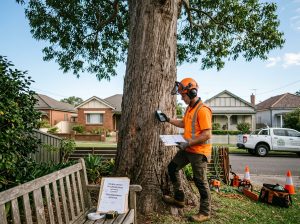
Trunk flare and bark
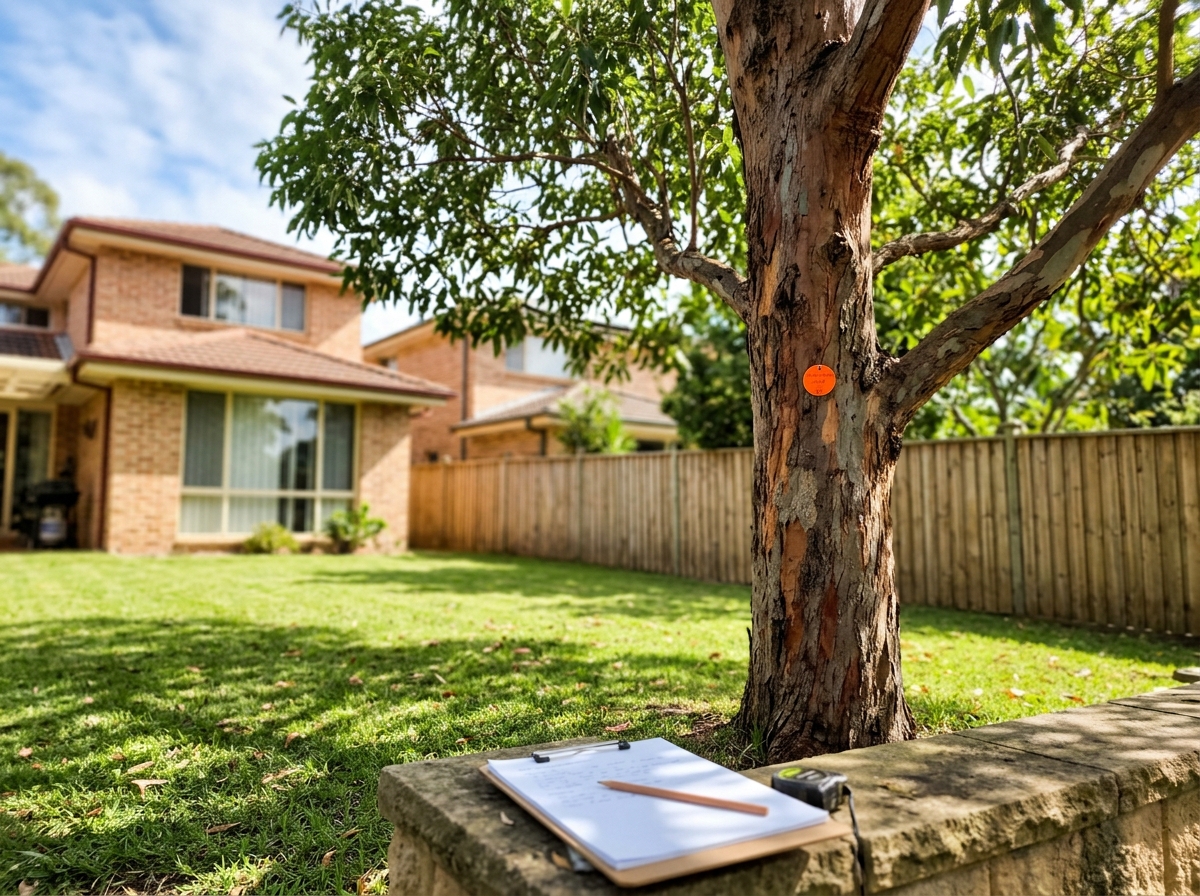
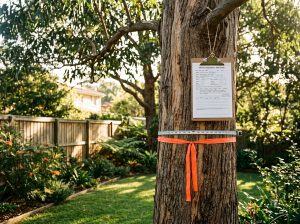
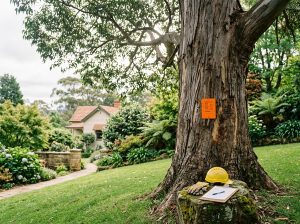
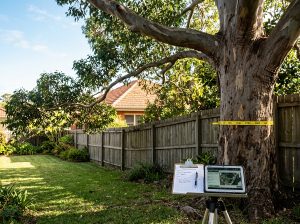
The arborist starts at the base. The trunk flare should be visible and widen gradually into the roots. A buried flare can point to planting depth problems or soil build-up that leads to decay.
Bark gets a close look too: loose or missing patches, vertical cracks, fungal growth, swelling, insect activity and bore holes all tell part of the story.
Crown, deadwood and past pruning
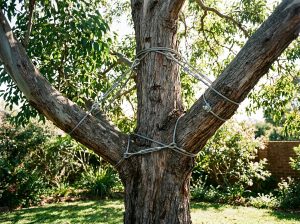
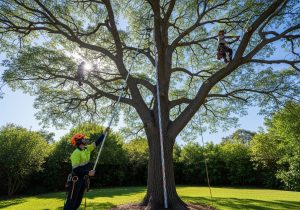
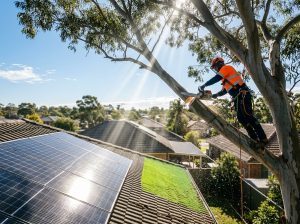
The crown shows overall vigour. The arborist checks canopy density, leaf colour, lopsided growth, crossed branches that rub, and unusual leaf drop.
Deadwood is measured, and old pruning wounds are checked for how well they have healed. Odd healing patterns and a thin canopy often signal a tree in decline.
A tree can look fine from the lawn and still be hollow at the base. That’s why we check the trunk and soil, not just the leaves.
Joseph Khoury, Director & Founder, Trees Down Under
Soil and roots
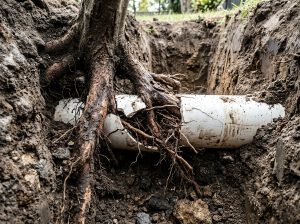
Many fungal diseases start in the soil, so the ground around the tree is inspected for dryness, compaction and signs of root damage.