Steep ground changes every part of the job
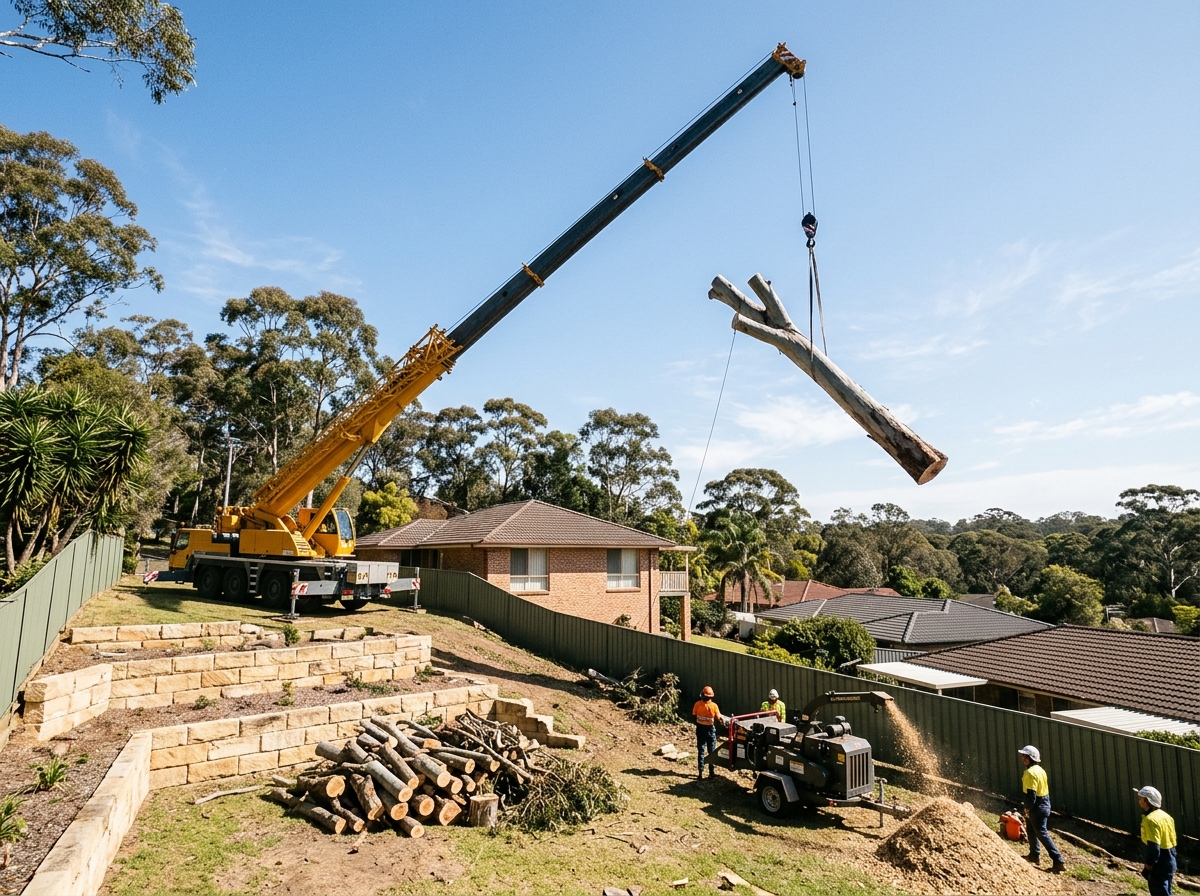
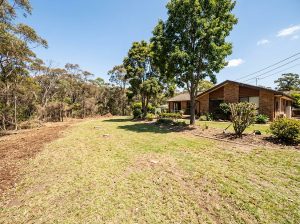
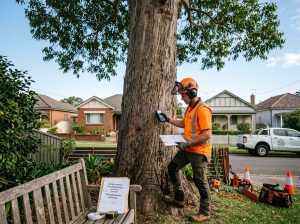
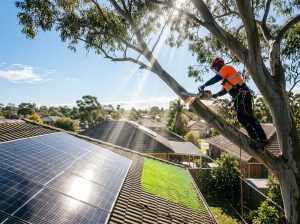
Tree removal on a sloped block is harder because the ground, the access and the fall zone all work against the crew. A tree that would be routine on flat land becomes a technical job once the terrain tilts.
Loose soil and shallow root plates can shift as a tree is cut and loaded. Footing is unreliable, so ropes, rigging and positioning need far more thought.
Limited access and uncontrolled falls
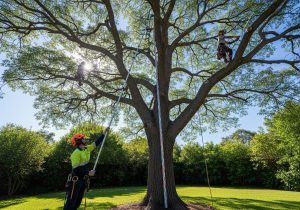
Steep driveways, narrow side access and tight backyards often keep machinery out. Heavy timber has to be lowered in sections rather than dropped, because a falling limb or log can roll or slide downhill well beyond where it lands.
That puts retaining walls, fences, pools, sheds and neighbouring properties at risk, and the danger peaks when they sit below the tree.
Hills District vegetation adds another layer
The Hills District has a mix of native species, and each one reacts to cutting in its own way. Some have brittle limbs, others carry heavy, uneven canopies that pull in unexpected directions.
Combined with the area’s steep terrain, this is why removal here is challenging for homeowners and best left to trained tree arborist crews.