Cooler streets and cleaner air
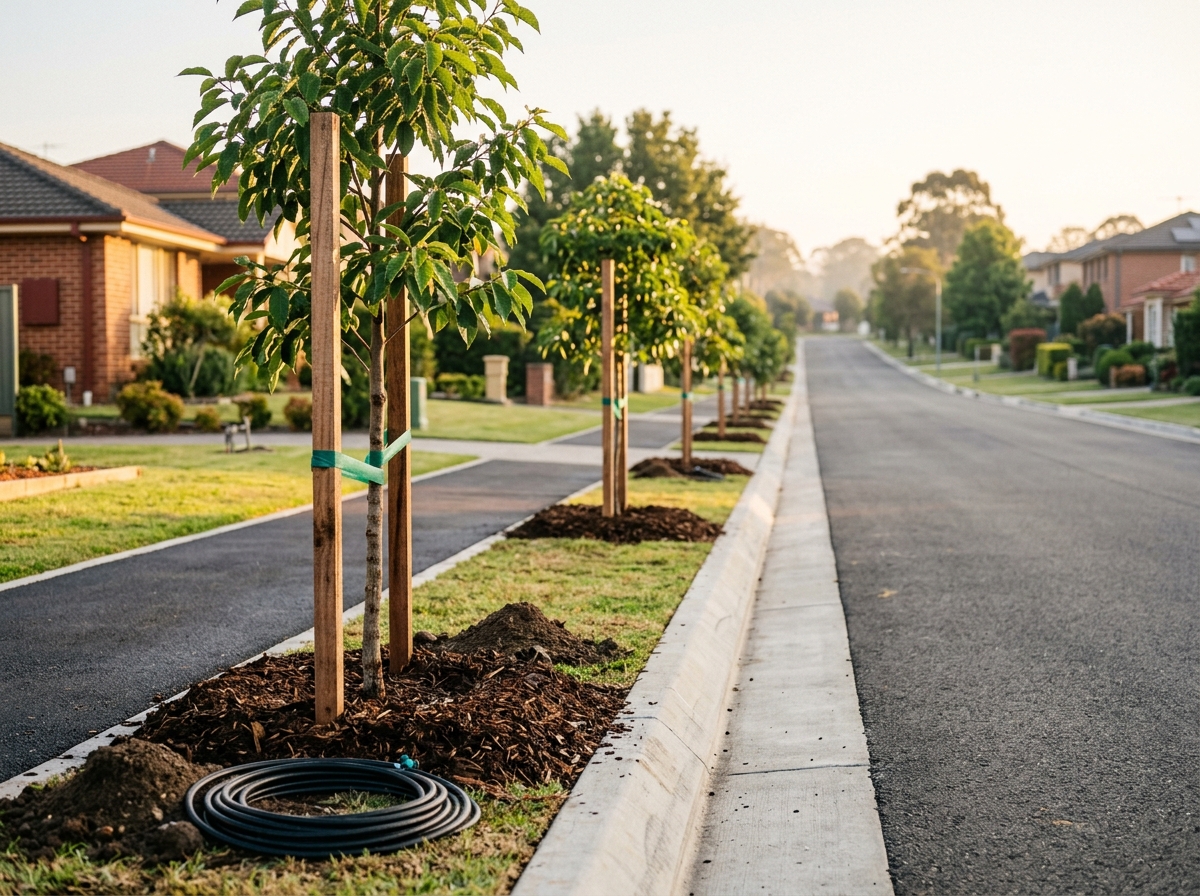
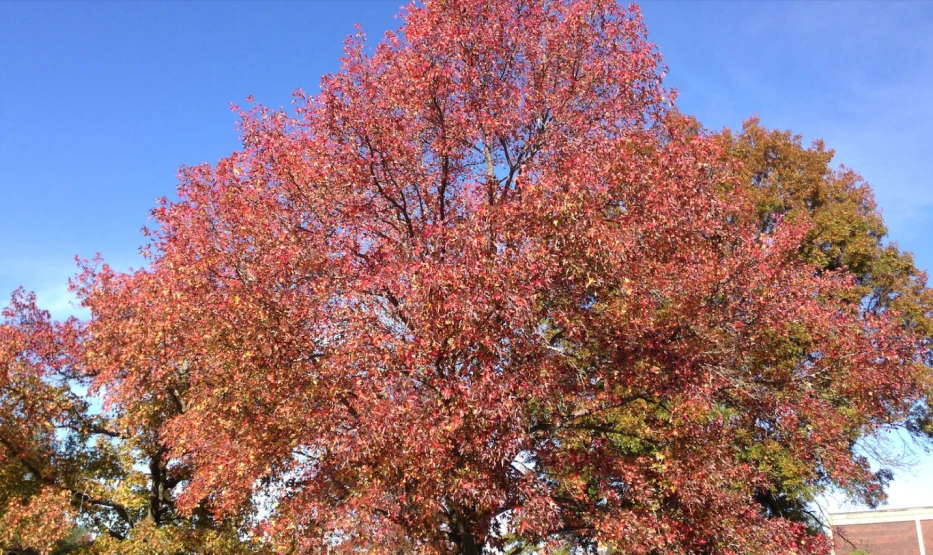
Street trees expand the urban canopy in ways that pay off for the whole neighbourhood. Their shade works like natural air conditioning, lowering street temperatures by several degrees and easing the urban heat island effect. Cooler streets also mean less energy spent on cooling homes and businesses.
Trees store carbon, filter air pollutants and intercept rainfall, which reduces soil erosion and runoff. Some species also buffer street noise.
Habitat and community
A well-planned verge gives birds, insects and small animals somewhere to feed and shelter, and clusters with layered understory boost that benefit. Neighbourhood greening projects also change how people use a street. Shaded footpaths invite walking, and shared green space encourages neighbours to spend time outside and get to know one another.
Property and business value
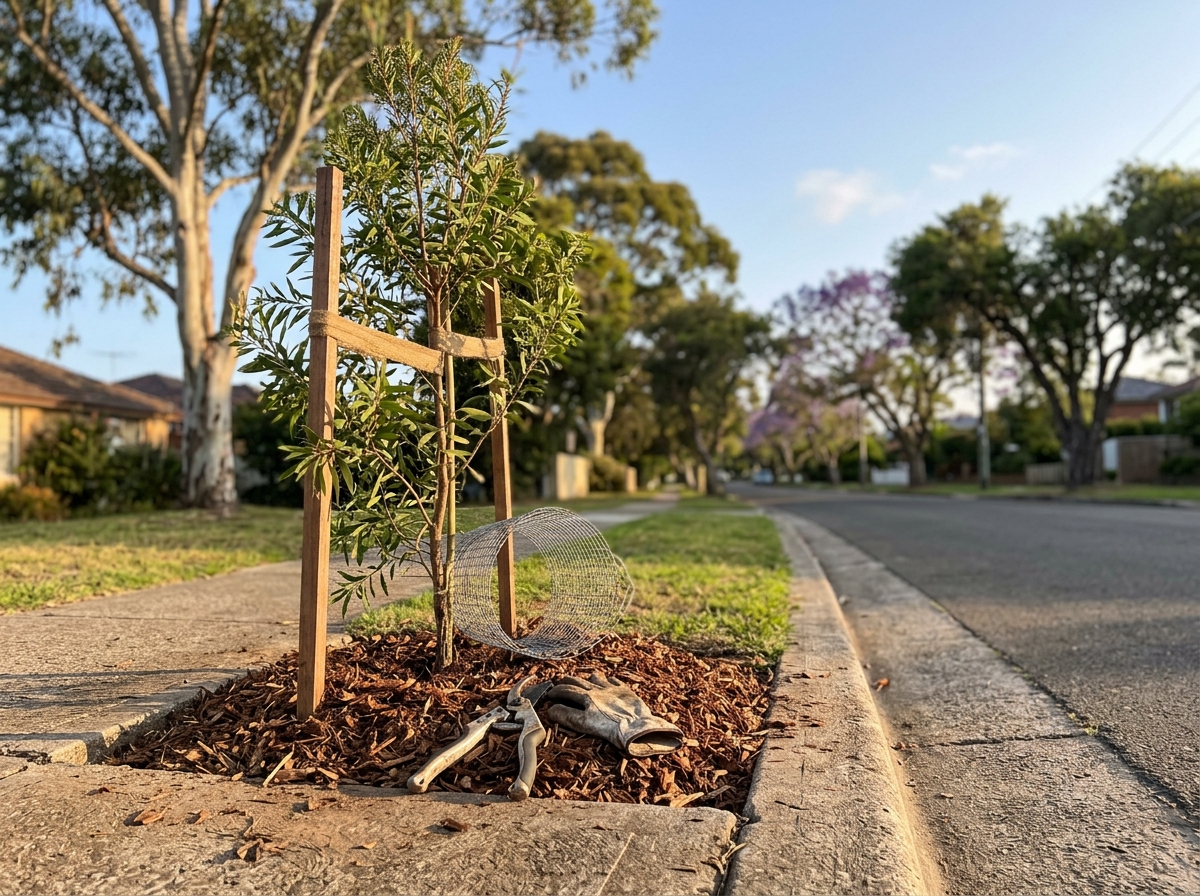
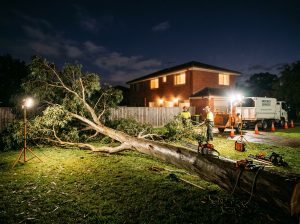
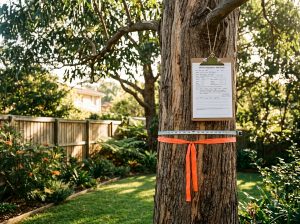
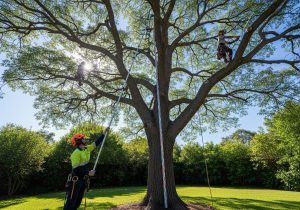
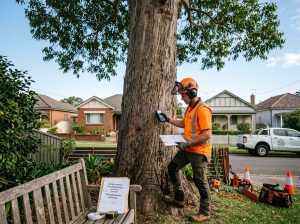
Established street trees are linked to higher property values, and businesses in green areas tend to benefit from increased foot traffic. Proactive tree maintenance and care, including regular tree pruning, keeps those benefits growing instead of turning into a liability. Regular health checks cost far less than emergency removal or damage repairs later.
Councils, developers and property owners can plan for that long-term return from the start, rather than treating planting as a one-off job.