Canopy balance and internal decay
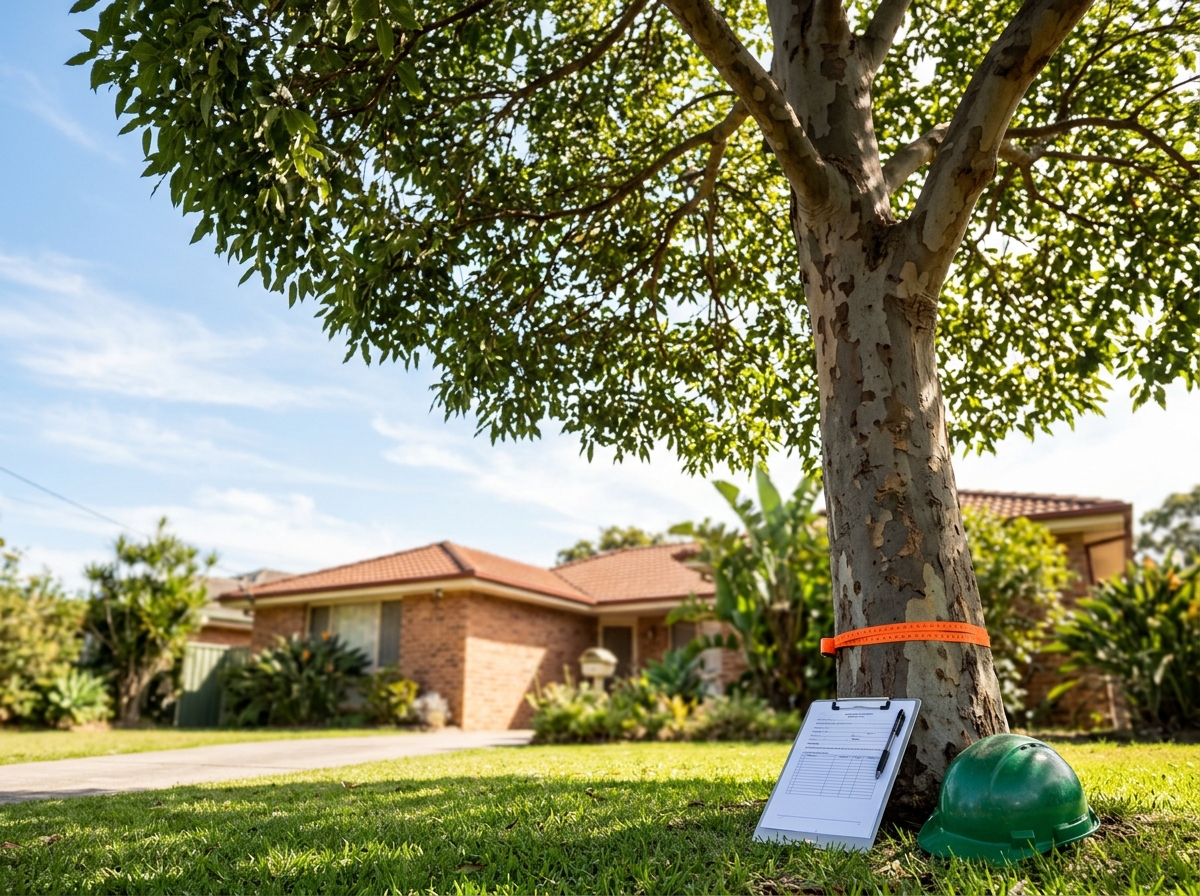
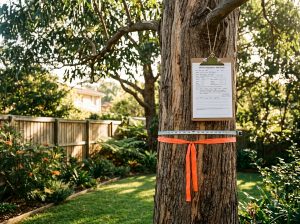
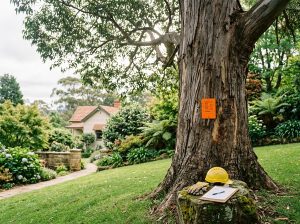
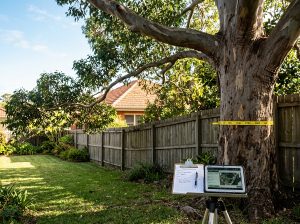
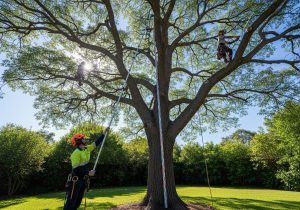
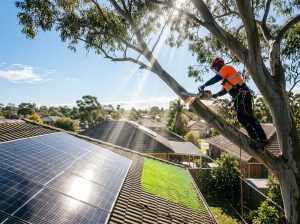
A Level 5 arborist decides whether a tree is a risk or a keeper by reading the whole structure, starting with canopy balance. A lopsided crown loads one side of the trunk and can pull a tree over once the ground softens.
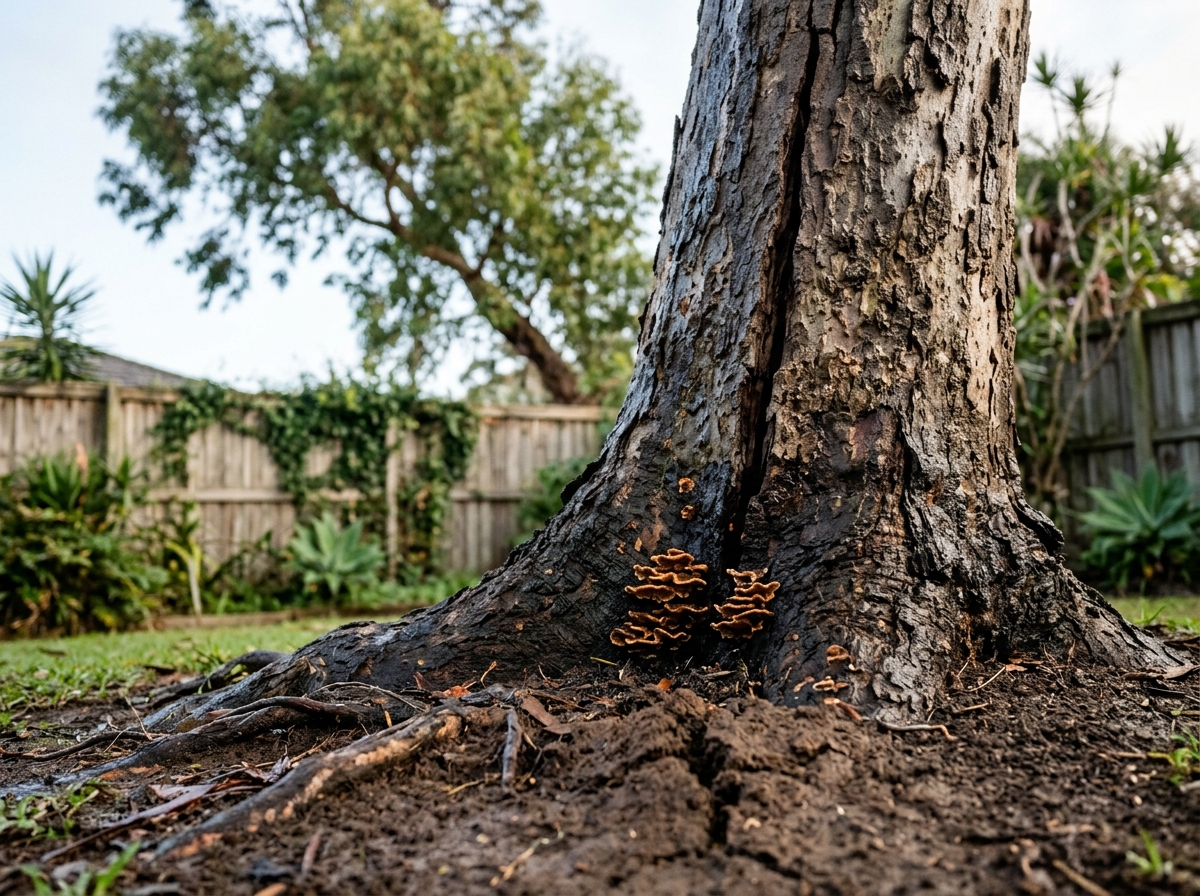
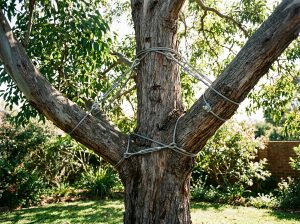
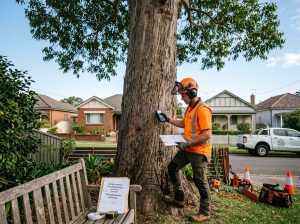
They also check for internal trunk decay, which often hides behind healthy-looking bark. Tapping the trunk and looking for cavities, cracks and fungal growth at the base shows how much sound wood is left.
Root plate movement and soil heave
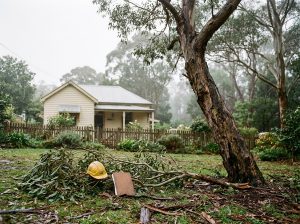
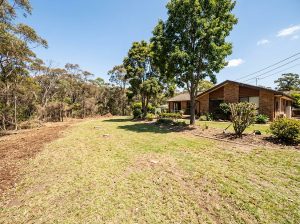
Winston Hills has wet, reactive soil, and Hills District assessments repeatedly find soil heave and slow root plate movement after heavy rain. Mature eucalypts can start to lean once the ground is saturated, and that lean can accelerate.
A lean after heavy rain isn’t something to wait on. Check the root zone early, because that’s where the real movement shows up first.
Joseph Khoury, Director & Founder, Trees Down Under
What the findings mean for your property
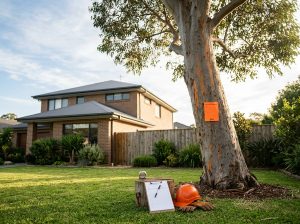
The arborist ties these checks to your trees and your structures, so you know whether to monitor, prune or remove. You get a written report and clear advice, and we only recommend work when the tree calls for it. Where tree removal near me is on the table, we note the tree’s condition before removal and check council permit requirements before any decision is made.