Terraces and drainage that work with your plantings
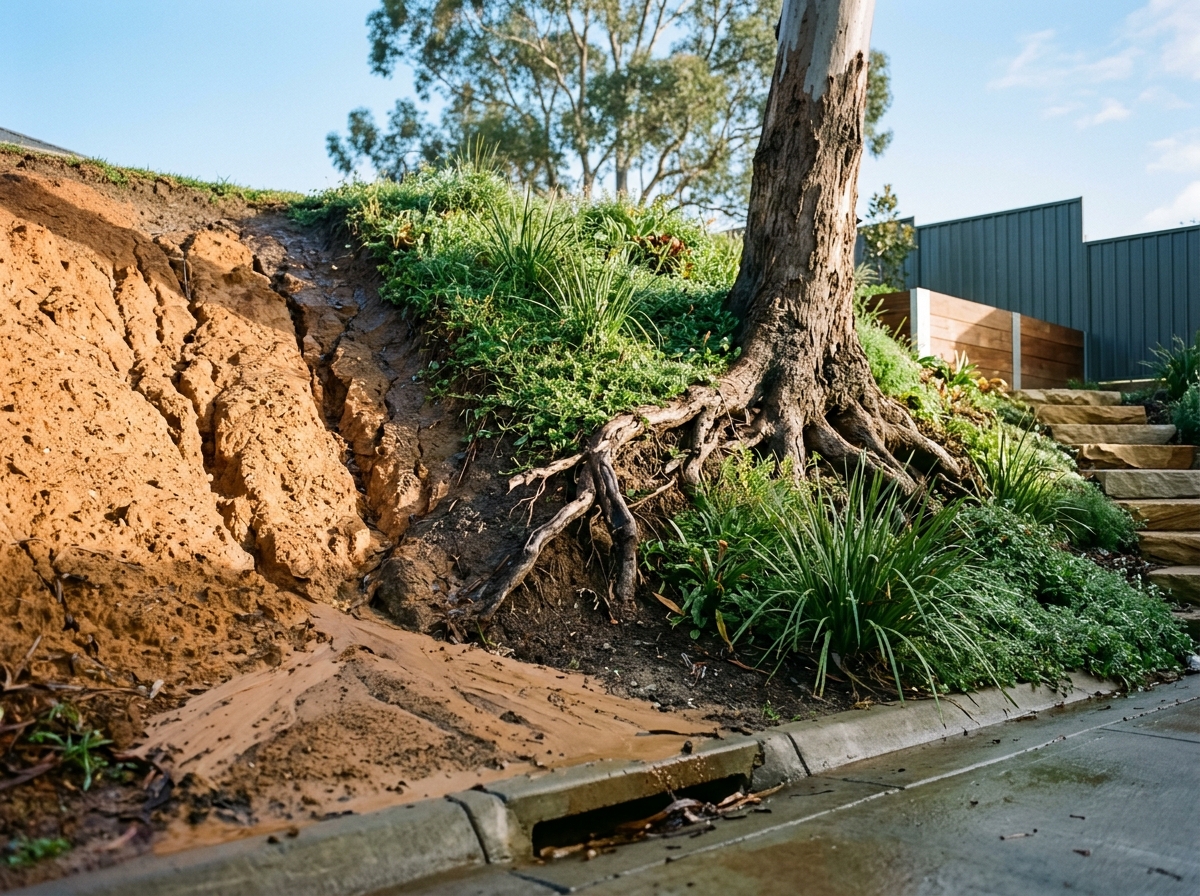
On a sloped Sydney block, the most reliable approach is to slow water down and give roots something to hold. Terracing a garden into levels with retaining walls keeps displaced soil on the property, because anything washed off lands on the terrace below.
Vegetated drainage does the same job. Bioswales are vegetated ditches with sloped sides that redirect runoff, and rain garden drains are low-cost surface drains that cut runoff speed. Subsurface drainage is buried below ground and can be added during landscaping or to an existing garden.
Creek banks and construction sites
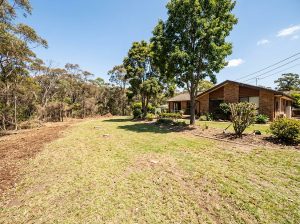
Along creeks and drainage lines, riparian vegetation erosion control relies on dense root systems that bind bank soil. On building and clearing sites, construction site sediment control stops loose soil leaving the boundary and entering stormwater. Careful vegetation management across both settings keeps the cover that protects the ground.
Slopes, protected trees and council approval
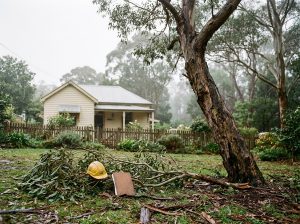
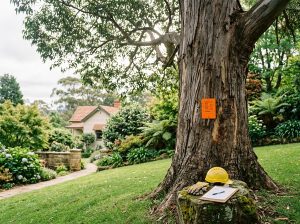
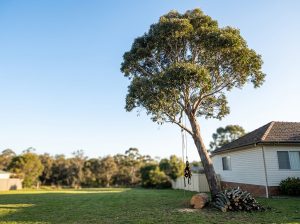
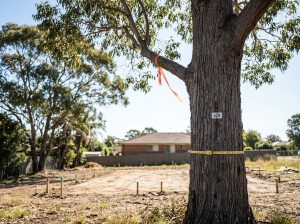
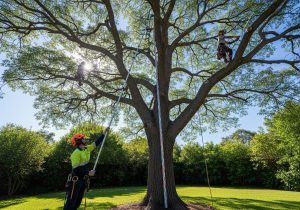
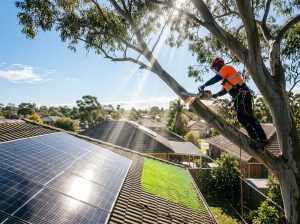
A tree on a slope is often doing structural work, so it should not come out before you check what your council requires. Removal on a slope may need a permit, and some trees are protected. Approvals vary by council and by site, so there is no single rule.
We work with every local council in Sydney, so permits don’t have to be a headache, and on slopes the tree may be holding the bank together, which makes the paperwork matter more.
Joseph Khoury, Director & Founder, Trees Down Under
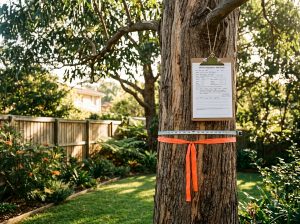
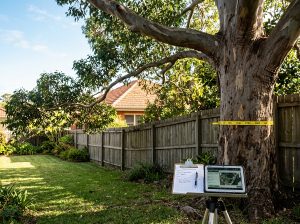
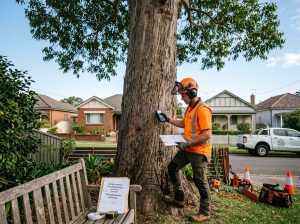
We guide the permit and arborist report process. Check your own council’s rules first, such as the NSW Biodiversity Conservation (Trees and Vegetation) rules or your local council’s tree preservation order, before any work starts.