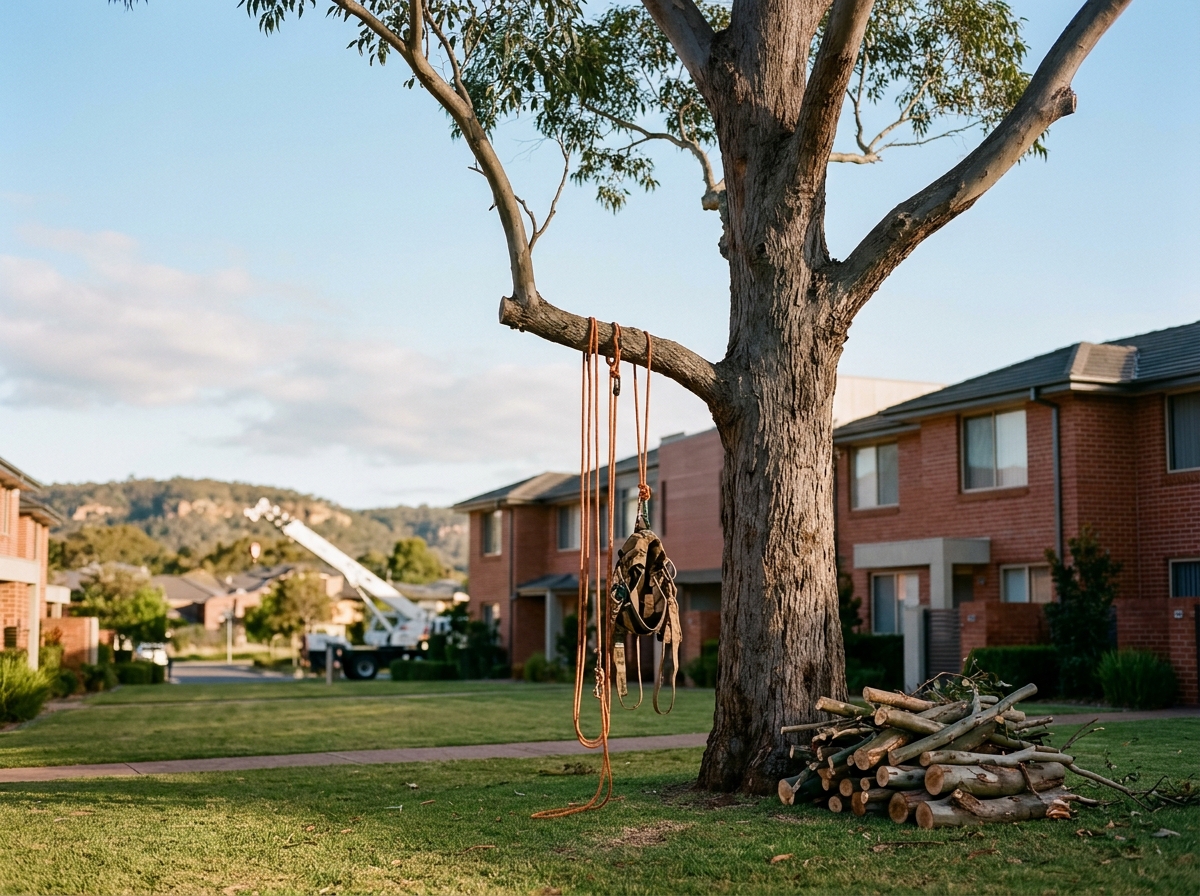
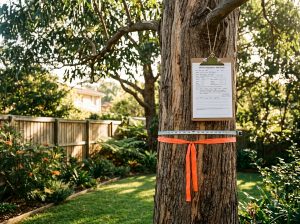
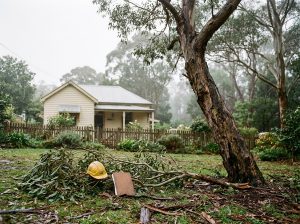
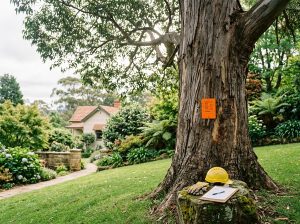
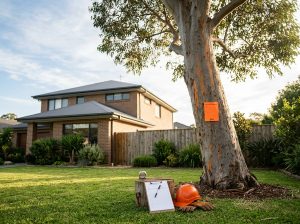
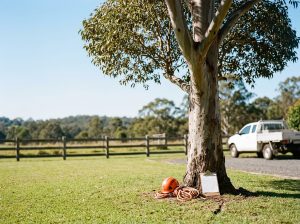
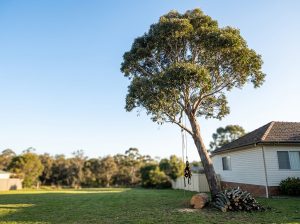
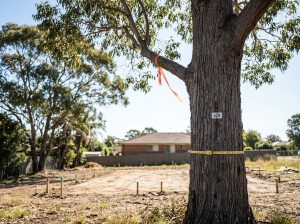
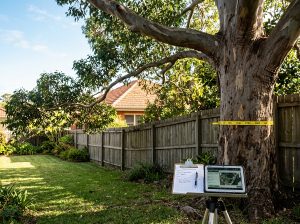
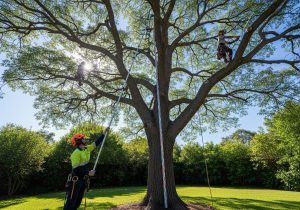
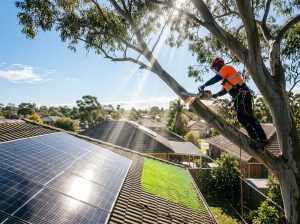
Strata tree lopping is different because the trees sit on common property, so no single person can approve the work. A committee has to sign off, and the strata manager carries the responsibility for getting it right.
That adds pressure a single-home job never has. Owners and tenants share driveways, walkways and car spaces, so access has to be planned around residents. Neighbouring properties often sit close to the boundary, and any tree that drops limbs or lifts paving raises questions of liability for the whole scheme.
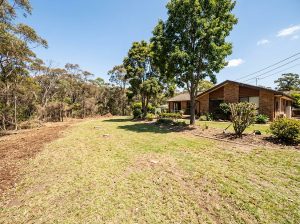
Hills District sites add their own layer. Steep blocks, tight complexes and diverse native vegetation make some trees harder to reach and harder to assess. Council rules can apply, and the right answer depends on the tree, the species and the location. A tree before removal should be checked against those requirements, not assumed to be fair game. The council’s own tree preservation rules are the starting point.
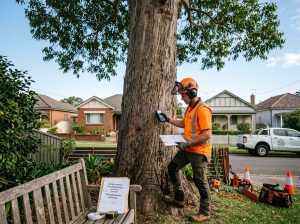
Trees Down Under works with strata managers and committees on these very jobs, so the coordination does not fall back on the manager.