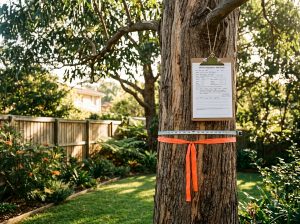
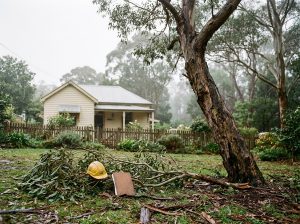
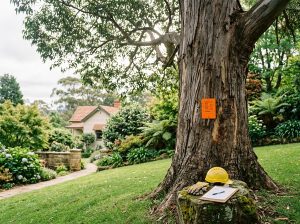
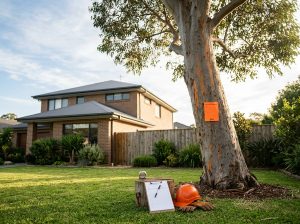
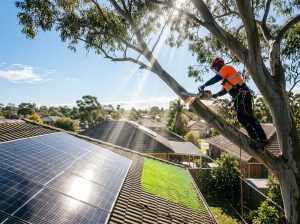
What a crack tells you about the tree
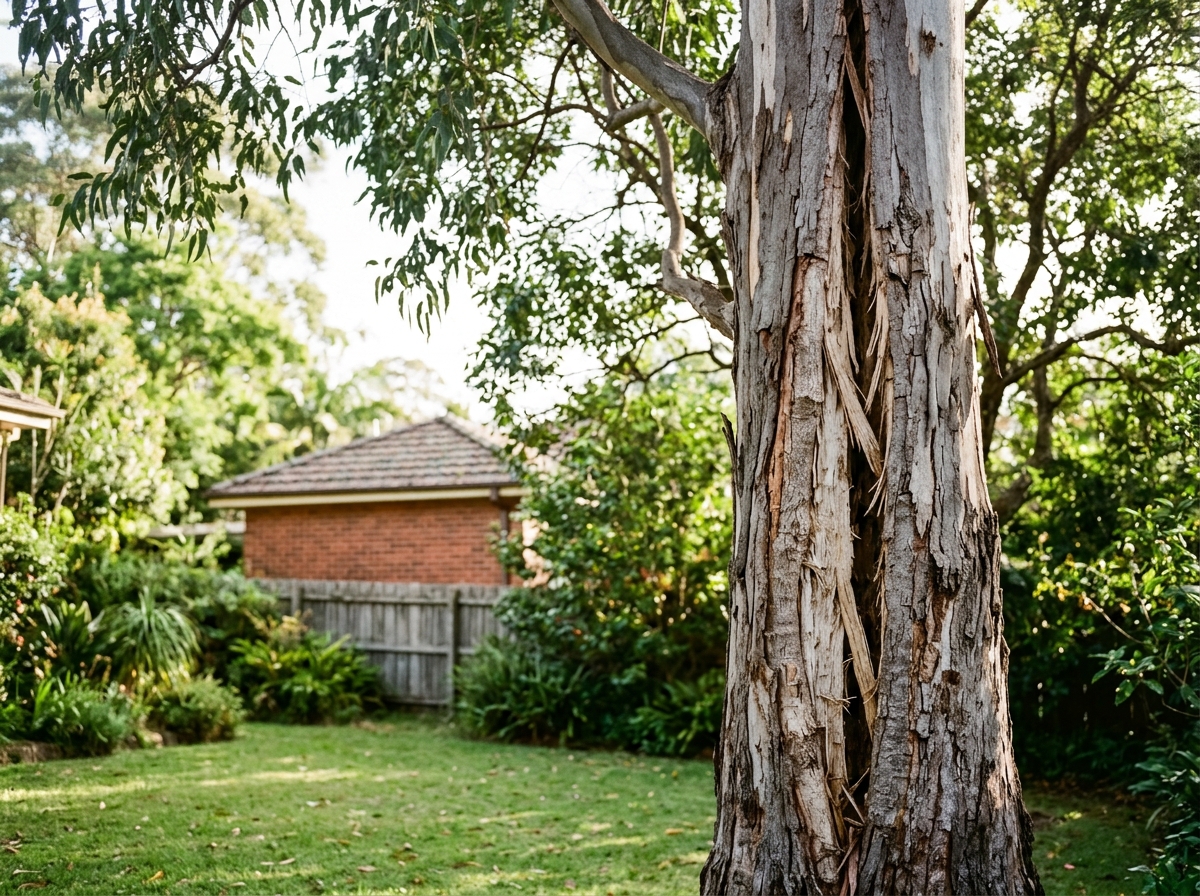
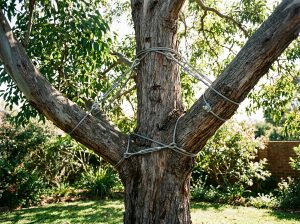
A cracked trunk means the wood is no longer holding together as one solid structure. Cracks can open from internal decay, old storm damage, weak branch unions or years of uneven loading, and the damage often runs deeper than it looks from the ground.
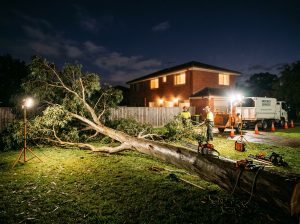
Once the trunk is compromised, the tree can fail without much notice. A strong gust or a wet week that loosens the soil may be all it takes.
Why delay raises the stakes
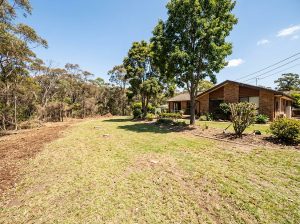
West Pennant Hills is known for leafy blocks and large native trees. That is part of the appeal, but a big tree with a structural fault puts more at risk when it comes down:
- People and pets using the yard or driveway
- The roof, gutters and walls of the house
- Fences, sheds, cars and power lines
- Neighbouring properties on streets where trees crowd together
Cracks tend to widen over time, so a tree that looks stable today may not be after the next storm.
Why an arborist should look first
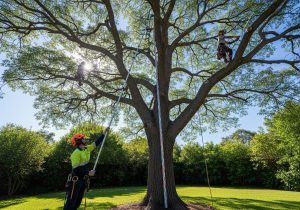
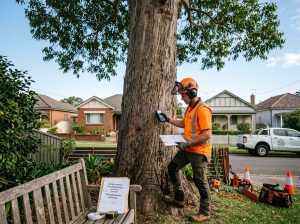
Not every crack means a tree has to go, and not every tree can be saved. Only a trained eye can tell a surface split from a serious structural fault.
A crack in the trunk isn’t something to wait on. Get a qualified arborist to look at it before the weather makes the decision for you.
Joseph Khoury, Director & Founder, Trees Down Under
An assessment sets out whether the tree can be managed or needs removal, and what the safest next step is.