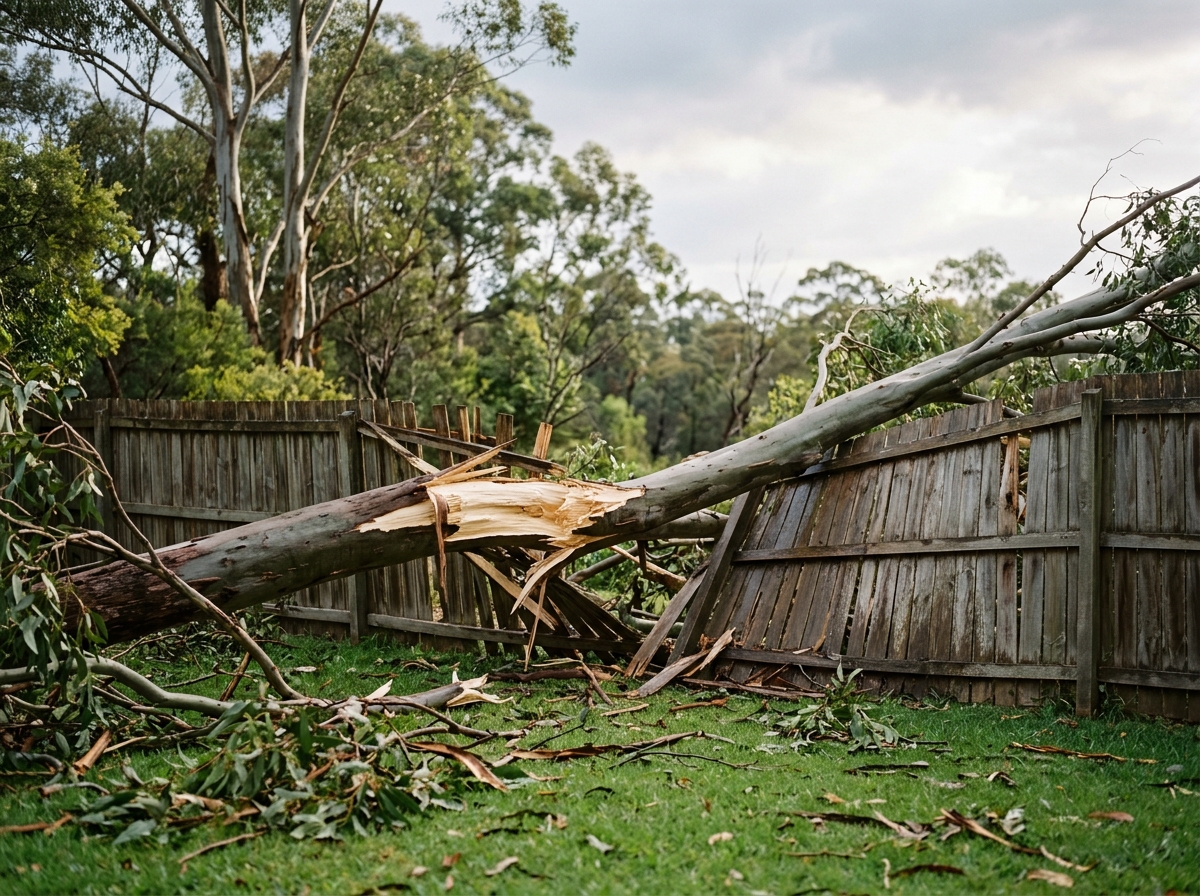
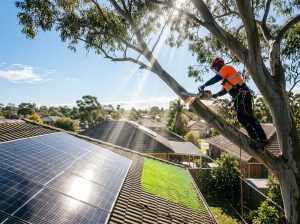
Who pays depends on the circumstances, and each storm-damaged tree has to be assessed case by case. Faulconbridge homeowners are often left to work this out while a tree sits across their fence, so it helps to know the main factors before anyone is blamed.
How liability is usually worked out
A tree that comes down in a severe storm is treated differently from one that was already dying or neglected. If an owner ignored the condition of a dying tree, they may be liable when branches fall on a neighbour’s roof or fence.
These are the points that tend to matter:
- Whether the tree was healthy or showed signs of decay before the storm
- Whether the owner knew about the problem and left it
- How severe the weather was on the day
- Whose land the tree stood on, and whose fence it landed on
What home insurance covers
Home insurance may cover tree removal, but most policies only respond where there is evident damage to the insured home and contents. If the tree or branch has not damaged your property, you may have to pay for removal yourself.
Cover for tree damage varies between insurers, so check the scope of your own policy before you book any work.
Before any tree comes down, photograph the damage and check your policy. A clear record makes every conversation with insurers and neighbours easier.
Joseph Khoury, Director & Founder, Trees Down Under